Jonathan Rosenbaum

How we evaluate films obviously depends on how we watch them. Some viewers identify with one or more characters, and others identify with one or more artists who made the film. Recalling three recent Chicago moviegoing experiences — Erich von Stroheim’s silent Queen Kelly (1929) at the Siskel, Noah Baumbach’s Jay Kelly at Webster Place, and The Enchanted Cottage (1945) on TCM — I realize that they all depended on my selected vantage points.


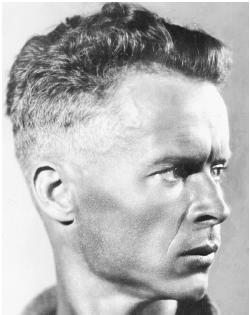
Stroheim, a Viennese middle-class Jew and army deserter, became a Jew in hiding once he entered the U.S., persuaded almost everybody that he had an aristocratic background, and became a devout Catholic. Because “Kelly” signifies “Irish”—another non-aristocratic outsider identity –the very title Queen Kelly points to Stroheim’s secret self as a writer-director and sometimes as a lead actor. In his Foolish Wives (1922), he hid in plain sight by playing a swindler pretending to be an aristocrat, and in Greed (1924), where he didn’t appear as an actor, he was again praised for his fanatically detailed Naturalism, this time related to working-class Americans. Yet by the time he wrote and directed Queen Kelly — a delirious fantasy set in a mythical kingdom about a convent student named Kitty Kelly (Gloria Swanson) abducted by a playboy prince (Walter Byron) the night before he’s been ordered to marry an insanely jealous queen (Seena Owen) — Stroheim has abandoned Naturalism for a kind of crazed Catholic pornography that seems to double as a nightmarish personal psychodrama in which he identifies obsessively with all his characters, victims and predators alike. Read more