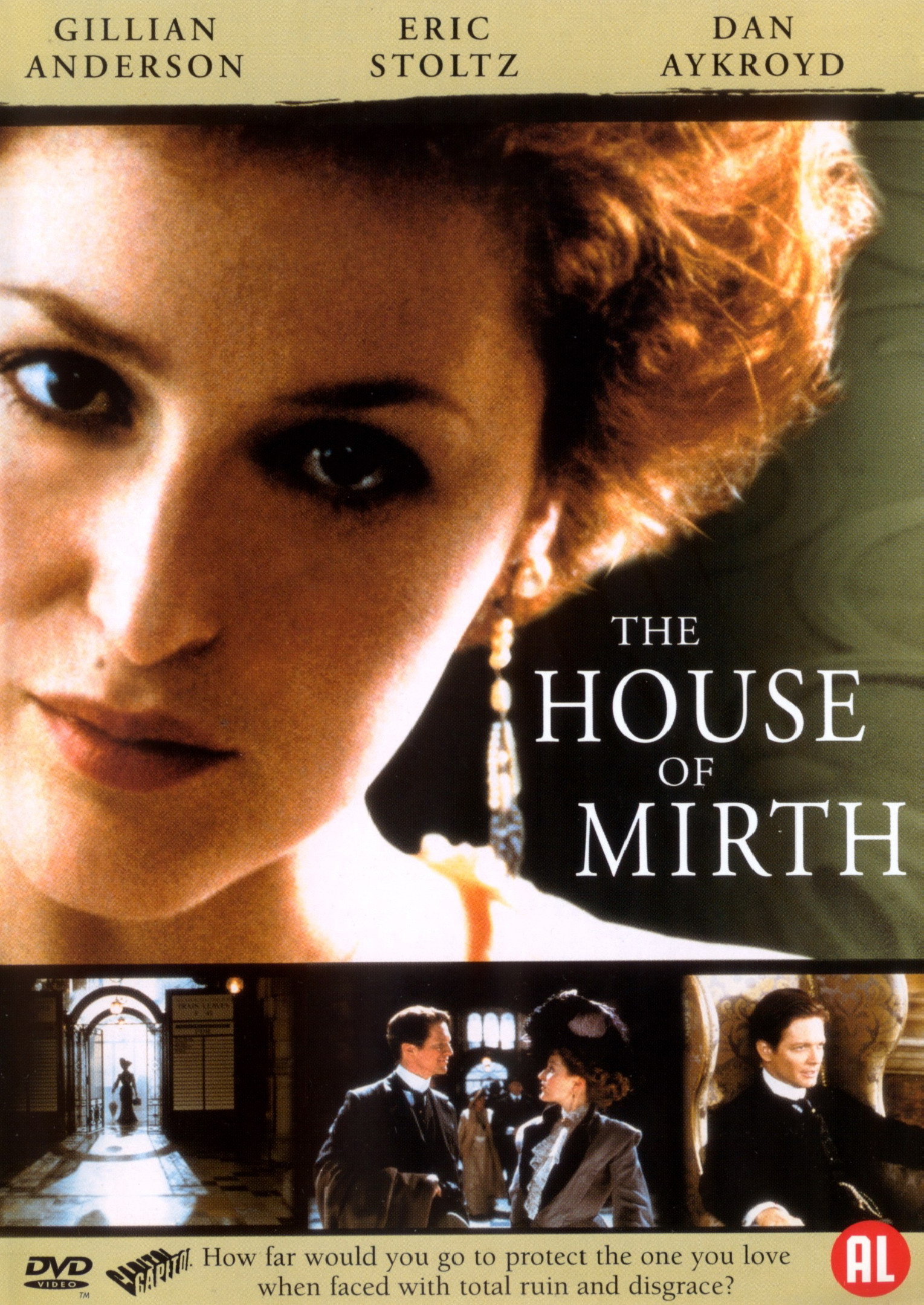
“If she slipped she recovered her footing, and it was only afterward that she was aware of having recovered it each time on a slightly lower level.” Edith Wharton’s encapsulation of the narrative form of her tragic (and sexy) 1905 novel, describing the progressive defeat of socialite Lily Bart by the ugly indifference of Wharton’s own leisure class, is given an extra touch of Catholic doom in Terence Davies’s passionate, scrupulous, and personal adaptation, which to a surprising degree preserves the moral complexity of most of the major characters. It’s regrettable if understandable that the Jewishness of social climber Sim Rosedale (Anthony LaPaglia) is no longer an issue, and Lawrence Selden, Lily’s confidante, is somewhat softened by a miscast Eric Stoltz, but the cast as a whole is astonishing — especially Gillian Anderson as Lily and Dan Aykroyd in his finest performance to date. Davies feels and understands the story thoroughly, giving it a raw emotional immediacy that would be unthinkable in the shopper-friendly adaptations of Merchant-Ivory and their imitators, and the film’s feeling for decor and costumes, derived from both John Singer Sargent paintings and Orson Welles’s The Magnificent Ambersons, is exquisite. Read more
From Framework (volume 45, number 1, Spring 2004). Because of its length, I’m running this in two parts. — J.R.
This interview took place in Buenos Aires, Argentina, April 20, 2002 — if memory serves, at the Abasto shopping mall, where the Buenos Aires Festival of Independent Film was then being held.
NK: In Movie Wars you are very critical of aspects of the U.S. movie business, and in an earlier autobiographical book, Moving Places, you explain that your family was involved in film exhibition. So when you make your criticisms of the way the movie business works now you do so from apposition of informed, long-term historical knowledge. What do you think the main, deleterious effects are?
JR: The thing that is important to make clear at the outset is that film exhibition is radically different from when I was growing up in the movie business. It could be argued by people currently working in the business that it’s very easy for me to make my criticisms because I’m not actually running the business the way they are. But on the other hand I don’t know if everything can or should be reduced to matters of business. And I think that’s part of the problem now, the belief that it’s totally a business and shouldn’t be anything else. Read more
From the Chicago Reader, February 25, 2000. This essay is also reprinted in my collection Essential Cinema. — J.R.
Rear Window
Rating **** Masterpiece
Directed by Alfred Hitchcock
Written by John Michael Hayes
With James Stewart, Grace Kelly, Thelma Ritter, Raymond Burr, Wendell Corey, Judith Evelyn, Ross Bagdasarian, Georgine Darcy, and Irene Winston.
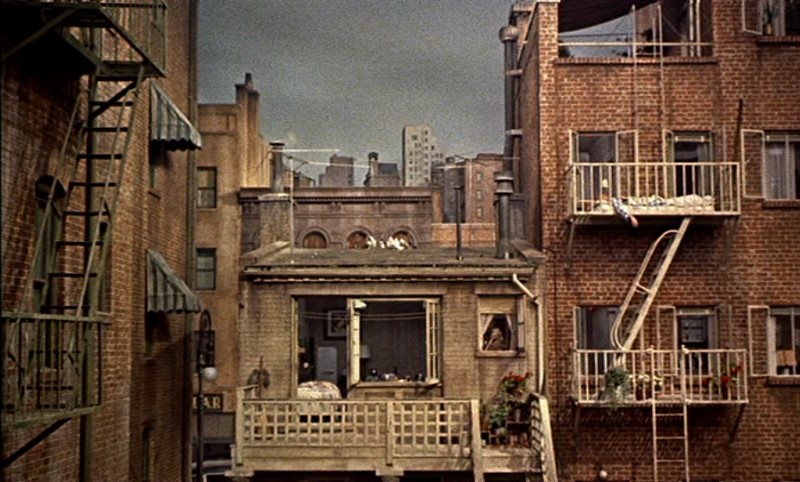
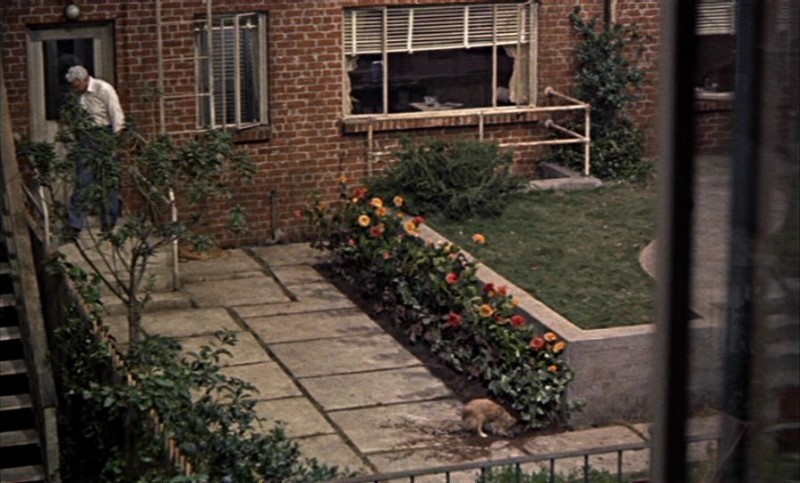
Alfred Hitchcock’s greatest movie, Rear Window, is as fresh as it was when it came out, in part, paradoxically, because of how profoundly it belongs to its own period. It’s set in Greenwich Village during a sweltering summer of open windows, and it reeks of 1954. (A restored version, by Robert A. Harris, opens this week at the Music Box, and it’s so beautiful and precise it almost makes up for his botch of Hitchcock’s Vertigo a few years back.)
Peter Bogdanovich notes in Who the Devil Made It that Hitchcock “didn’t use a score” in the movie, “only source music and local sounds,” which isn’t exactly true. In fact, we get quite traditional theme music from Franz Waxman behind the opening credits, and, more important, the film subtly integrates hit tunes of the mid-50s into the ambient sound track, most noticeably “Mona Lisa” and “That’s Amore,” which was introduced the previous year by Dean Martin in another Paramount picture, The Caddy. Read more
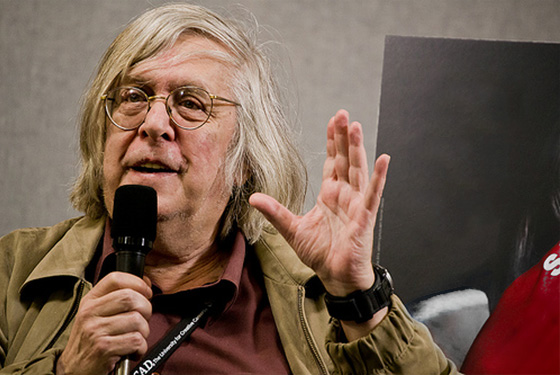
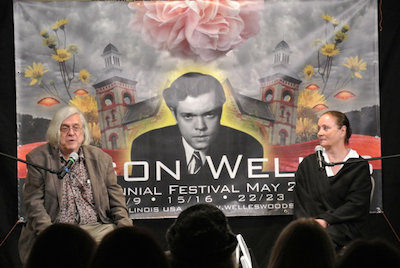
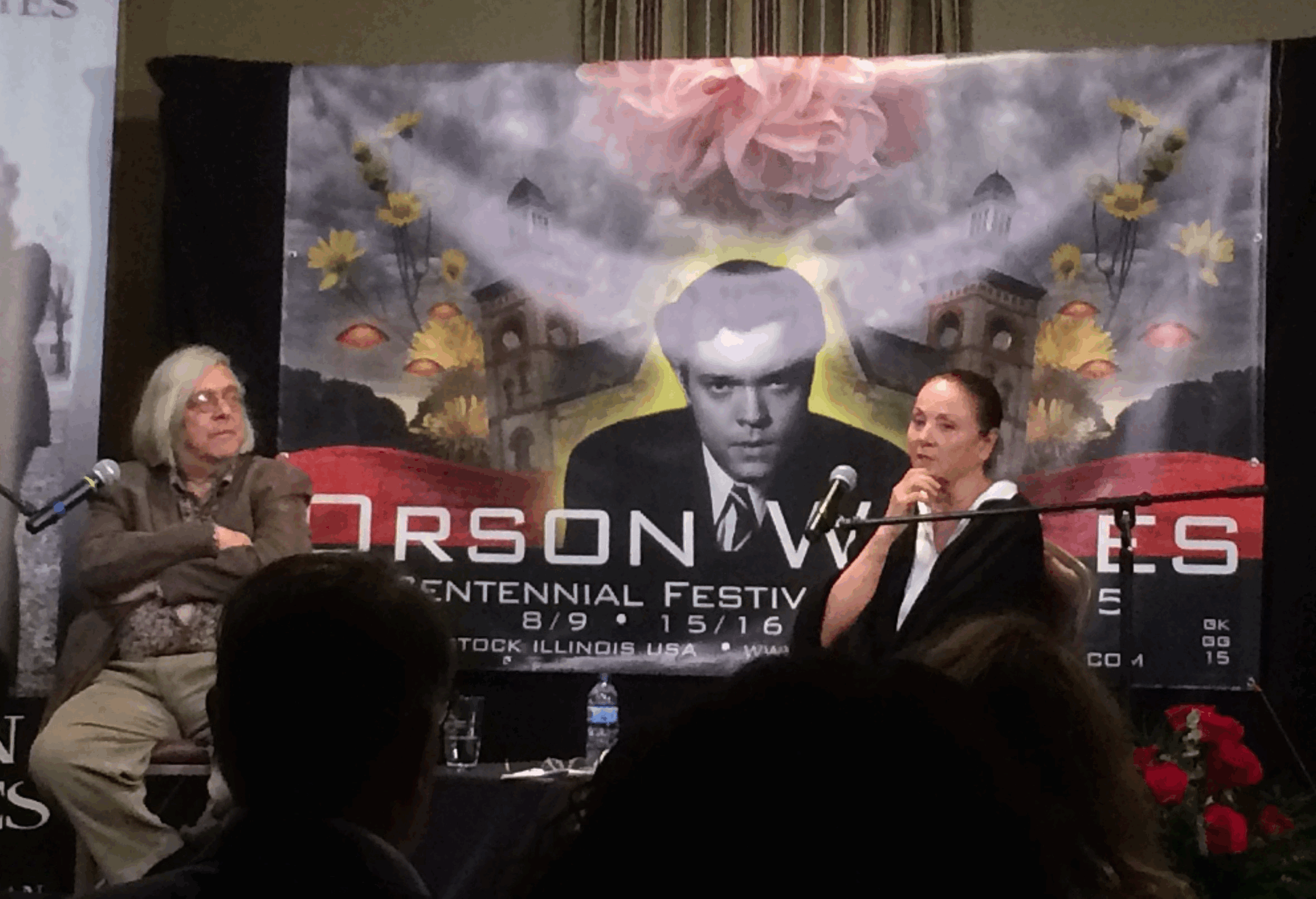
I was privileged to conduct a lengthy public interview with Oja Kodar Saturday night, May 9, 2015, in Woodstock, Illinois, as the main event in a weekend devoted to Orson Welles — the first of three successive celebratory Welles weekends to be held there this month. Oja, as always, was passionate, candid, funny, lucid, informative, and perceptive about Welles, but I’ve never seen her in public speak with so much warmth and insight. The whole event was recorded, and I hope everyone will get a chance to watch it at some point. — J.R. [5/11/15]
Two weeks later, after returning from a second very enjoyable weekend of Welles events in Woodstock, I’ve added a few more photos of the May 9 event, including two taken by Peter Gill shortly beforehand which show Oja with her great niece Biljana and her sister Nina as well as me. — J.R. [5/24/15]
Written for Sight and Sound, November 2015. — J.R.
I hope I can be forgiven for quoting myself in my first collection, Placing Movies: The Practice of Film Criticism (1993): “As I’ve discovered in my own endeavours in editing the prose of Truffaut, Welles and Bogdanovich, the best editing is usually the kind the reader is least aware of, though the supreme masters of this game – who within my experience are probably Penelope Houston and Michael Lenehan – sometimes manage to minimise the awareness of the writer as well.” Lenehan was the main editor for several years at the Chicago Reader, and Penelope’s stint at Sight and Sound was considerably longer. Over two decades later, I can add without hesitation that no editor that I’ve ever worked with has known more and taught me more about the mechanics of prose than Penelope.
But I hasten to add that my indebtedness to her goes far beyond her superb gifts as an editor. I might even say that it was her taste, above all, that drew me to her magazine in the first place, and her determination to acquire an English work permit for me – a process that I recall took the better part of half a year – that enabled me to move to London from Paris in 1974, to serve as assistant editor at Monthly Film Bulletin (under Richard Combs, a supportive boss and fine editor in his own right) and staff writer for Sight and Sound, my first major job anywhere. Read more
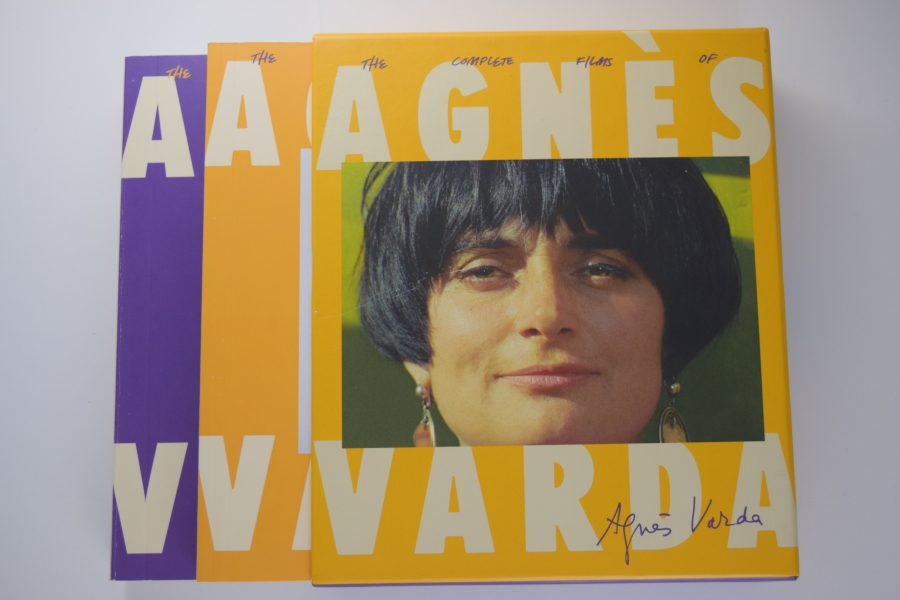
The Complete Films of Agnes Varda (Criterion, Blu-Ray)
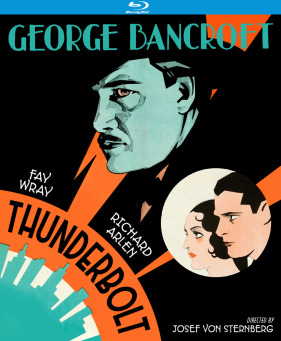
Thunderbolt (Kino Lorber, DVD & Blu-Ray)
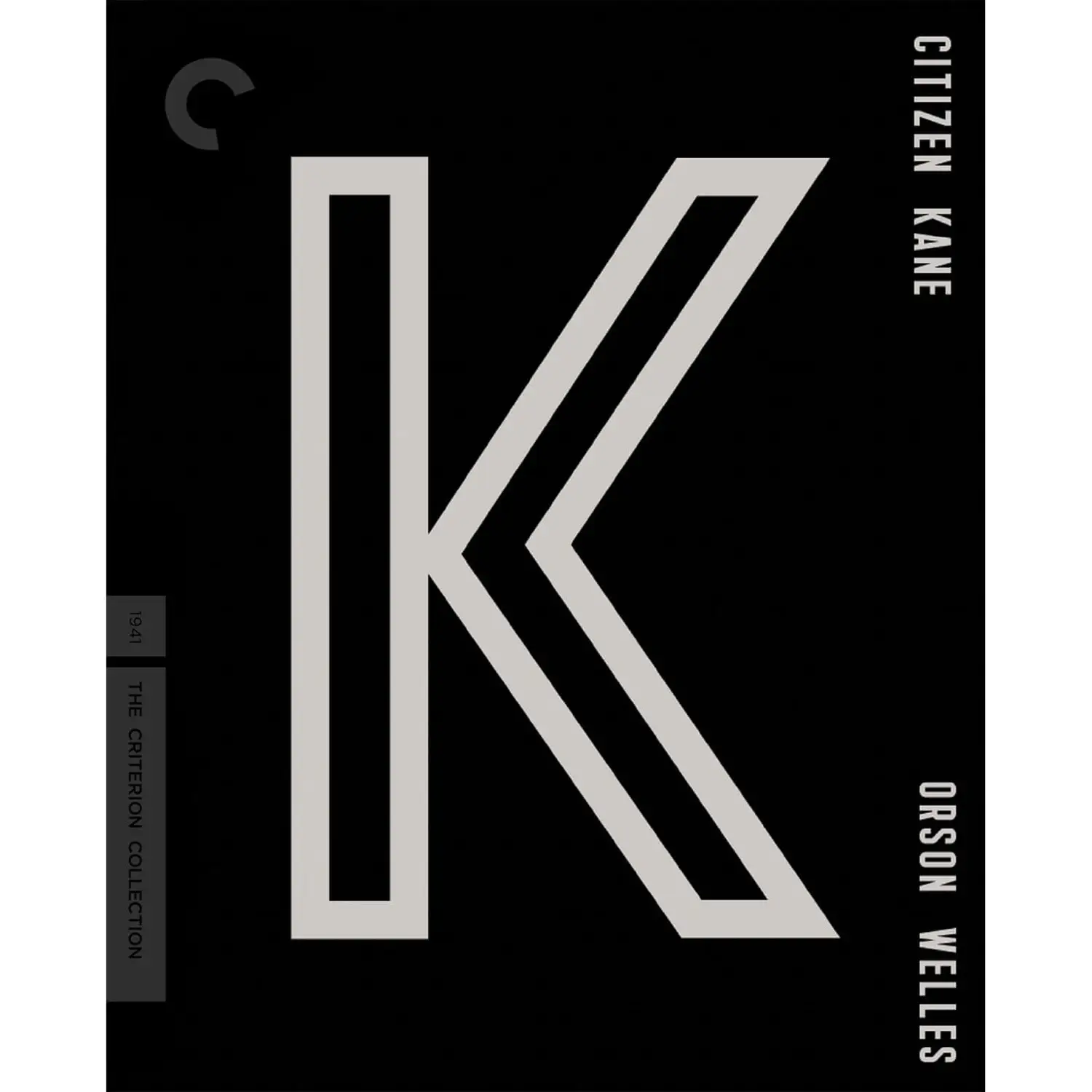
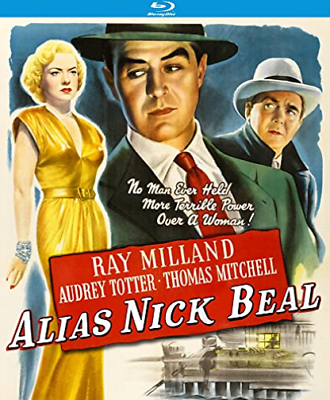
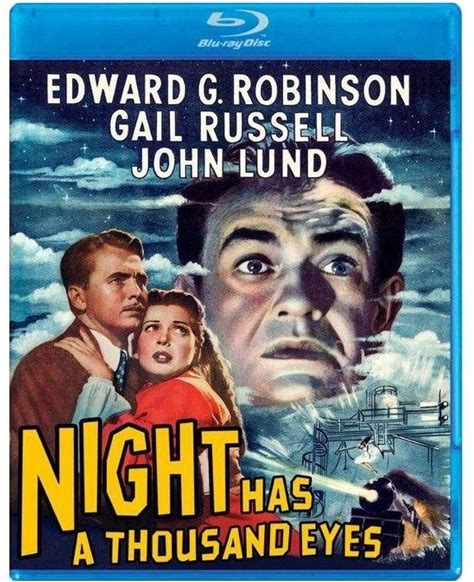
I contributed half an audiocommentary (with James Naremore) to Citizen Kane that I haven’t yet heard (Sight and Sound’s deadline precedes its release by two weeks), but I’ve already been able to see and hear The Complete ‘Citizen Kane’ (1991)–a BBC documentary included in the package–that alone warrants my inclusion of this release here, ‘conflict of interest’ be damned. I’m also very much looking forward to hearing the audiocommentaries on Alias Nick Beal and Night Has a Thousand Eyes (both from Kino Lorber),by Eddie Muller and Imogen Sara Smith, respectively.
From the Chicago Reader (September 8, 1995). — J.R.
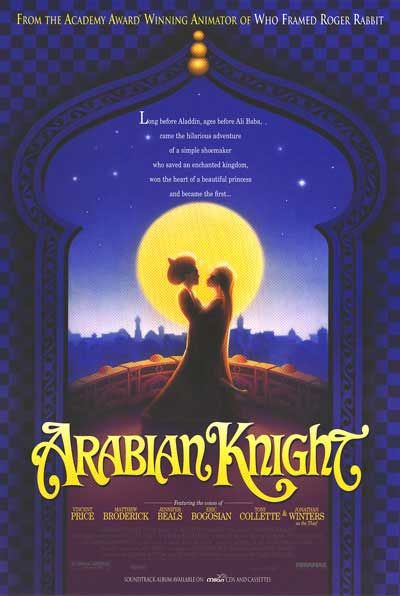
Arabian Knight
Rating *** A must see
Directed by Richard Williams
Written by Williams and Margaret French
With the voices of Vincent Price, Matthew Broderick, Jennifer Beals, Eric Bogosian, Toni Collette, and Jonathan Winters
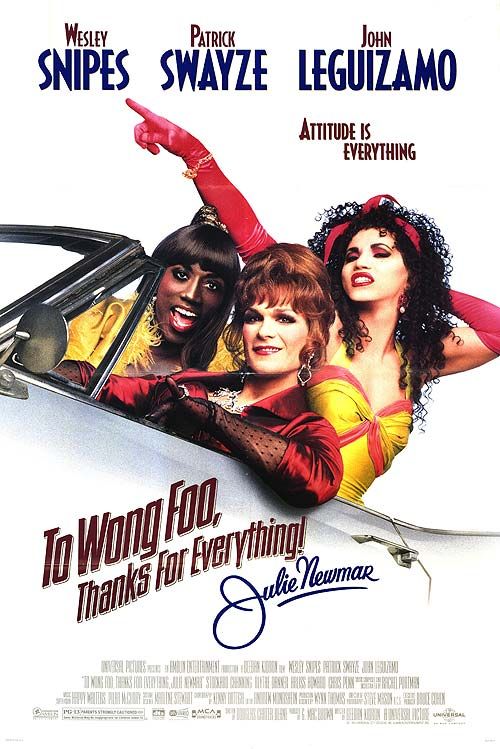
To Wong Foo, Thanks for Everything! Julie Newmar
No stars (Worthless)
Directed by Beeban Kidron
Written by Douglas Carter Beane
With Wesley Snipes, Patrick Swayze, John Leguizamo, Stockard Channing, Blythe Danner, Arliss Howard, Jason London, and Chris Penn.
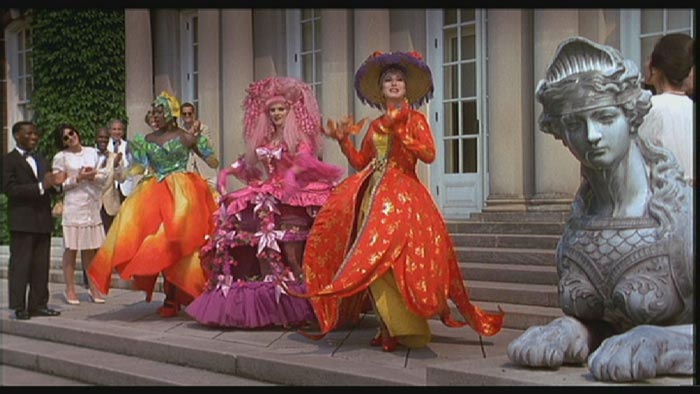
It might be argued that a talent for abstract thought defines the radically different achievements of Arabian Knight and To Wong Foo, Thanks for Everything! Julie Newmar. In Arabian Knight–a wildly imaginative and somewhat delirious animated feature that’s reportedly been in the works for over a quarter century — it’s a talent for graphic abstraction, a talent that is its own reward; this movie takes the highly dangerous step of pursuing formal beauty above all else, story and characters be damned. By contrast, in To Wong Foo — a terribly written, terribly directed, terribly designed, and for the most part terribly acted (if nobly intentioned) comedy –i t’s a talent for pure concept: three drag queens driving from New York to Hollywood enlighten bigoted middle Americans on the subjects of style and beauty. Read more
If you have to pay for reading this, it’s worth it. Curing what ails us always begins with facing it squarely, and both Ana Marie Cox and Naomi Klein provide excellent and positive advice about how and where to start. [10/1/2023]
Written for the Abril 2012 issue of Caimán Cuadernos de Cine. — J.R.
Nick was a gambler — a gambler who often lost.
— Susan Ray in Don’t Expect Too Much
One of the paradoxes of Nicholas Ray’s legend is that in order for it to function, he can’t be regarded simply as either a Hollywood director or as a struggling maverick, but as both. Seen exclusively as the former, he becomes the faceless but coherent and competent metteur en scene of A Woman’s Secret (1949) or Flying Leathernecks (1951). Seen exclusively as the latter, he becomes the personal but incoherent auteur of We Can’t Go Home Again (1973).
A similar problem has informed the career of Ray’s most important disciple, Jean-Luc Godard, another tormented romantic widely regarded as a leftist visionary when he made La chinoise and Week End in 1967, when his work was still sufficiently close to commercial cinema to reflect some of its slickness and glamour. But following May 1968, once he deliberately divested himself of that slickness and glamour and his films had to be judged on their political insights and their political utility alone, he was no less appropriately regarded as misguided and obtuse. Read more
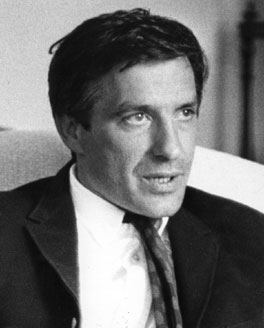
These program notes for a John Cassavetes retrospective in July 1980 were commissioned by the Museum of Modern Art’s Film Department, which as I recall edited them fairly substantially. (My subsequent “review” of the retrospective for The Soho News, “The Tyranny of Sensitivity,” is already available on this site.) I no longer have the unedited version, but I’ve tweaked this version in a few spots for style as well as factual accuracy without altering any of its opinions, some of which I might no longer share. -– J.R.
JOHN CASSAVETES, FILMMAKER AND ACTOR
June 20–July 11, 1980
“I Can’t Give You Anything But Love,” the cornball anthem that sounds so memorably through the final moments of Cassavetes’ THE KILLING OF A CHINESE BOOKIE, might be a fair enough theme song for what his contribution to movies is all about: a radical commitment to people that goes beyond mere thought.
His attitude is one that often has been difficult to grasp, for in over three decades as director, writer, and actor, he has seldom encouraged, or even allowed, a detached appraisal.For someone like me, who grew up watching his performances in films and live TV dramas in the fifties before experiencing the raw shock and revelation of SHAD0WS in 1961, a disinterested account of what that shock meant is perhaps impossible. Read more
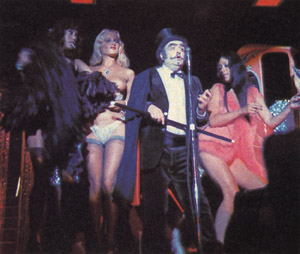
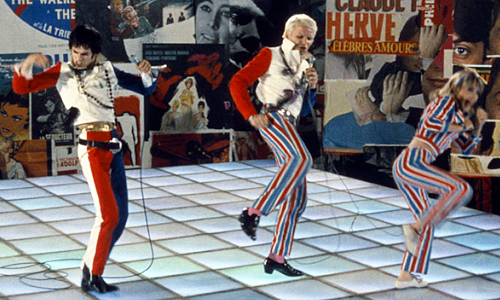
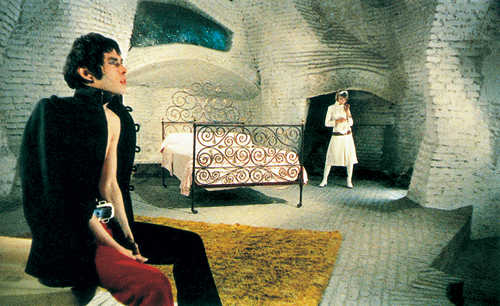
LES IDOLES, Marc’O’s film version of his theater piece, originally opened in Paris in May, 1968, when many of its spectators were out in the street and presumably had other things to think about. It was released again early this year; but after a nominal run in one of several new mini-cinemas that have springing up lately all over the Left Bank, it seemed to vanish into oblivion a second time, only to re-emerge in a neighborhood house in early February, where it is currently playing. Talent does usually seem to find a way to reassert itself. Marc’O’s sarcastic parody about the making and merchandising of pop has nothing particularly profound or original to “say” about its subject, but it happens to have three of the liveliest performances in the modern French cinema.
Bulle Ogier, Jean-Pierre Kalfon, and Pierre Clementi, as the three pop stars, dive into their parts with such enthusiasm and expertise that the screen comes alive with their electric energies, and one can only speculate on how much more spectacular they must have been on the stage. (Despite some clever attempts at adaptation, LES IDOLES stubbornly remains another variant of filmed theater — a good thing to have, under the circumstances, but like Shirley Clarke’s ingenious recording of THE CONNECTION, it cannot really offer an equivalent to the excitements of a live performance.)Read more