From the Chicago Reader (August 1, 1990). — J.R.
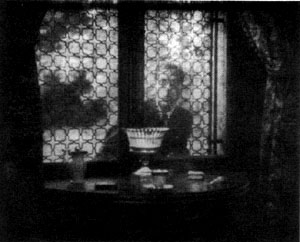
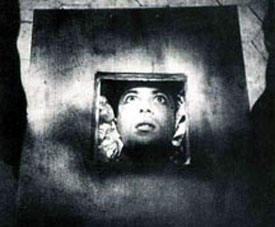
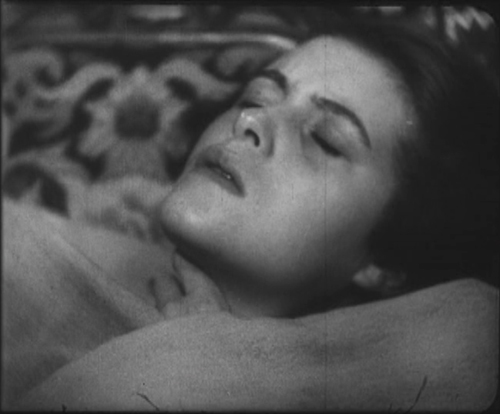
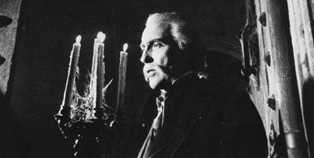
The greatness of Carl Dreyer’s first sound film (1932, 82 min.) derives partly from its handling of the vampire theme in terms of sexuality and eroticism and partly from its highly distinctive, dreamy look, but it also has something to do with Dreyer’s radical recasting of narrative form. While never less than mesmerizing, it confounds conventions for establishing point of view and continuity, inventing a narrative language all its own. Some of the moods and images are truly uncanny: the long voyage of a coffin, from the apparent viewpoint of the corpse inside; a dance of ghostly shadows inside a barn; a female vampire’s expression of carnal desire for her fragile sister. The remarkable sound track, created entirely in a studio (in contrast to the images, all filmed on location), is an essential part of the film’s voluptuous, haunting otherworldliness. It was originally released by Dreyer in four separate versions — French, English, German, and Danish; most prints now contain portions of two or three of these versions, although the dialogue is pretty sparse.) (JR)




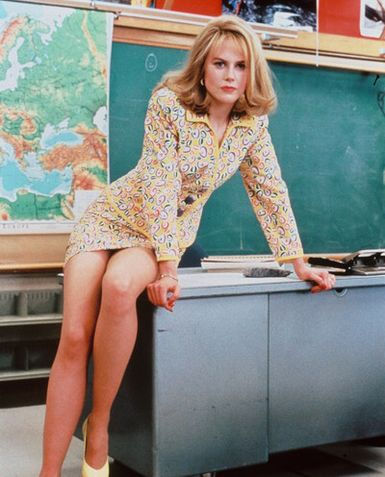 If, like me, you find things to admire in many of Gus Van Sant’s films, you may be especially gratified by what he’s done with this satirical anti-TV script by Buck Henry — suggested by a real-life crime and adapted from a Joyce Maynard novel — and a spot-on performance by Nicole Kidman that may be the best of its kind since Tuesday Weld’s wicked sexual turns in Pretty Poison and Lord Love a Duck. Charting the ruthlessness of an ambitious bimbo telecaster in Little Hope, New Hampshire, this staccato black comedy sustains its brilliant exposition and narration until the plot turns to premeditated murder, complete with hapless and semicoherent teenage accomplices. The movie loses much of its pitch and many of its laughs at this juncture, and there’s an uncomfortable tendency to equate the falsity and venality of TV too exclusively with Kidman’s character, thereby bypassing golden opportunities offered by Wayne Knight (as a station boss) and an uncredited George Segal to make the target less gender specific. But much of this is good nasty fun, with a fine secondary cast that includes Matt Dillon, Joaquin Phoenix, Alison Folland, Casey Affleck, Illeana Douglas, and Dan Hedaya; also look for striking cameos by David Cronenberg and screenwriter Buck Henry.