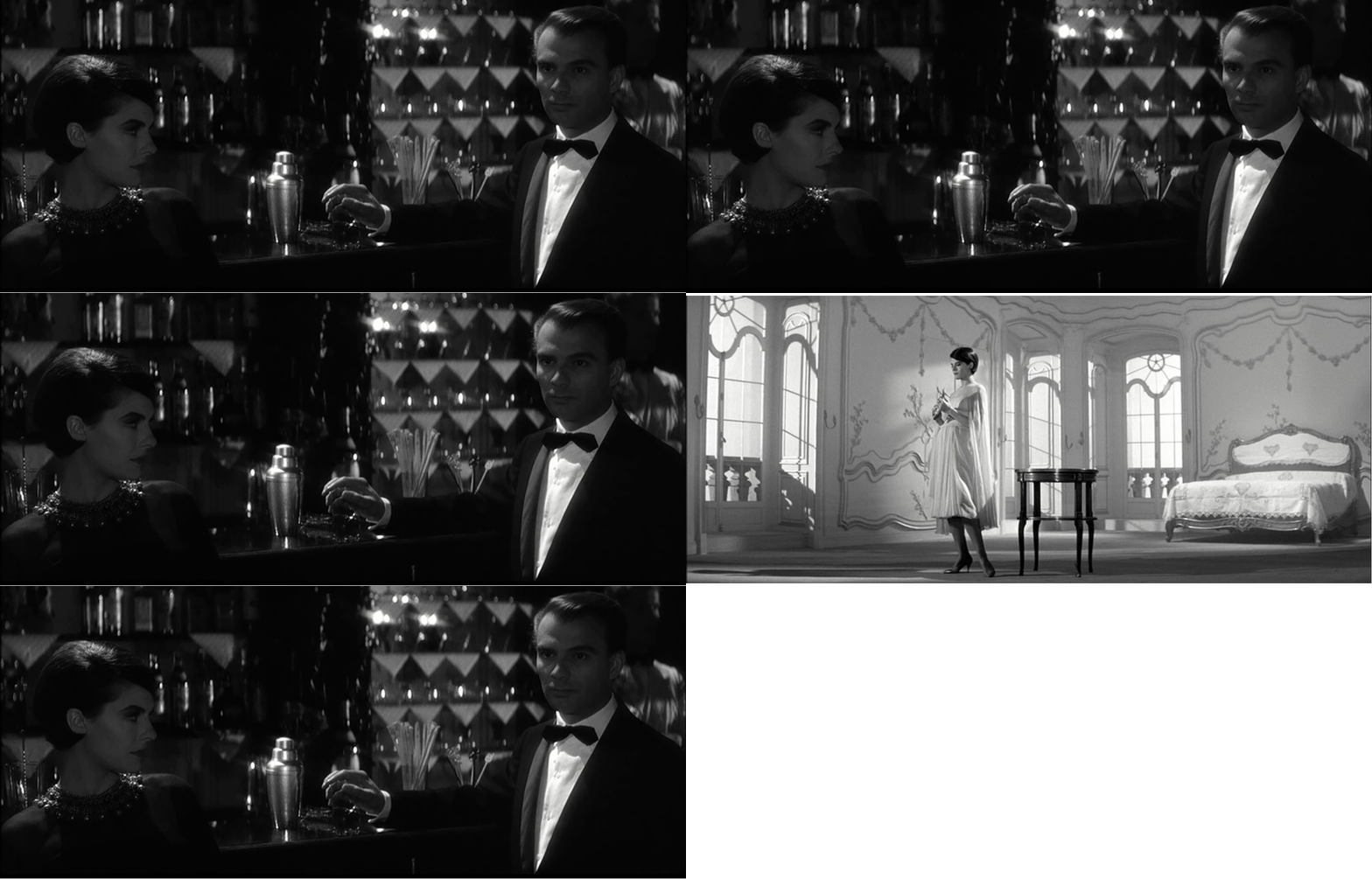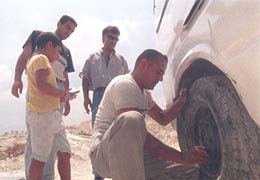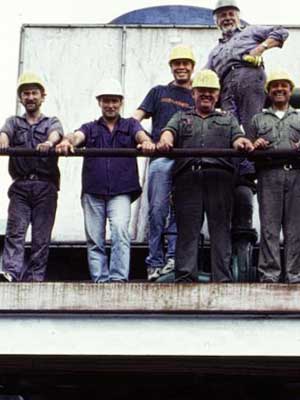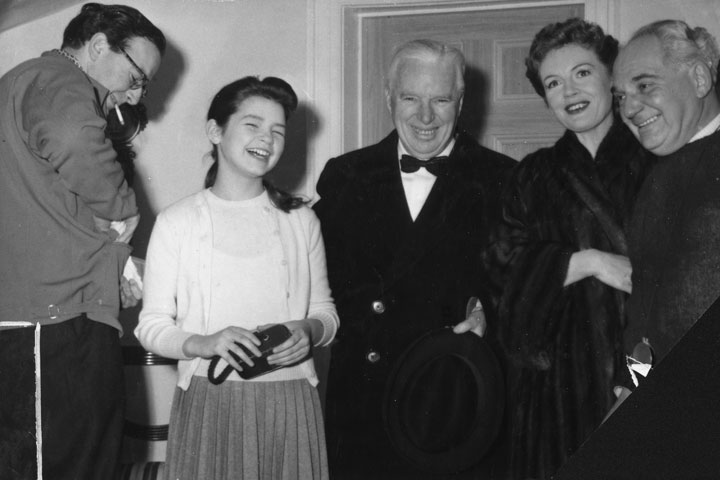
From the October 2010 Sight and Sound. I regret a few errors that crept into this piece as originally published, all of which were my own fault and all of which are corrected here. — J.R.
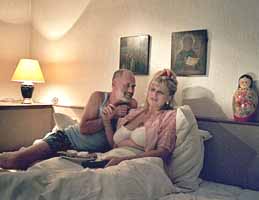
In the interests of full disclosure, I should mention at the outset that Françoise Romand has been a good friend for over two decades. But I hasten to add that she became a friend because of my immoderate enthusiasm for Mix-Up (1985), her first film — one of the strangest as well as strongest documentaries that I know.
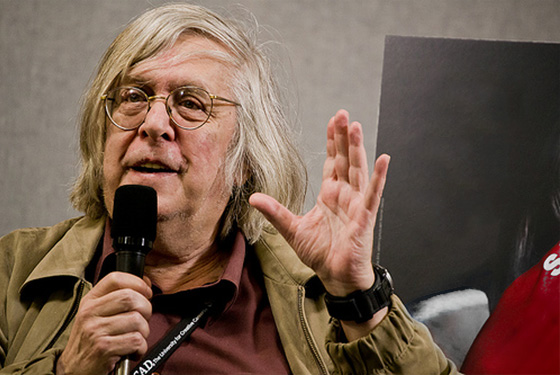
To make matters even more mixed-up, I should also point out that, on the region-free DVD bonus of this hour-long French documentary in English, Françoise, after interviewing herself in French, shows her filming of my talking head in English while I attempt to explain why I find her film so powerful and exciting. What follows represents another try.
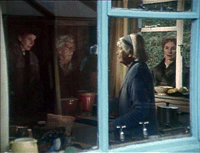
Filmed over just twelve days, but recounting a multilayered real-life story that covers nearly half a century, Mix-Up recounts and explores what ensued after two English women, Margaret Wheeler and Blanche Rylatt, respectively upper-middle-class and working-class, gave birth to daughters in November 1936 in a Nottingham nursing home, and the babies were inadvertently switched. Read more