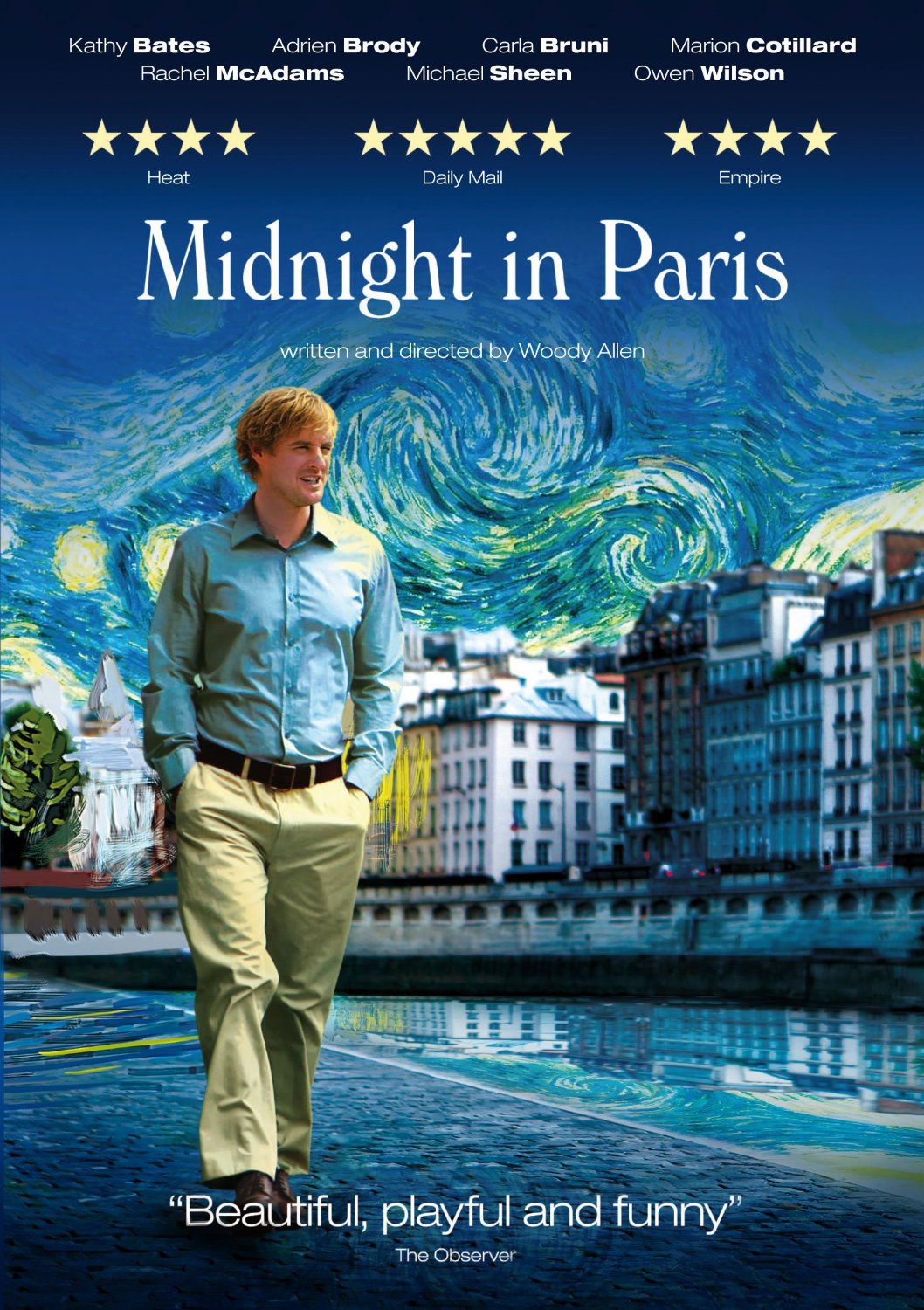
It seems that class anxiety has become Woody Allen’s key and obsessive theme ever since his movies started to become “serious”, and it’s usually around in some form even in the purer comedies. Indeed, almost all of the cultural concerns of his work wind up having something to do with class issues — almost as if Allen really believed the crazy American myth that espresso and wealth are inextricably interconnected. The main fantasy about expatriate American bohemians in Midnight in Paris isn’t really about art; it’s about Hemingway or somebody like that stepping into a cab and not worrying about having to pay the driver (which F. Scott Fitzgerald or T.S. Eliot can always take care of), and if Gertrude Stein likes your novel, the bottom line is social acceptance and approval, not artistic license or accomplishment.
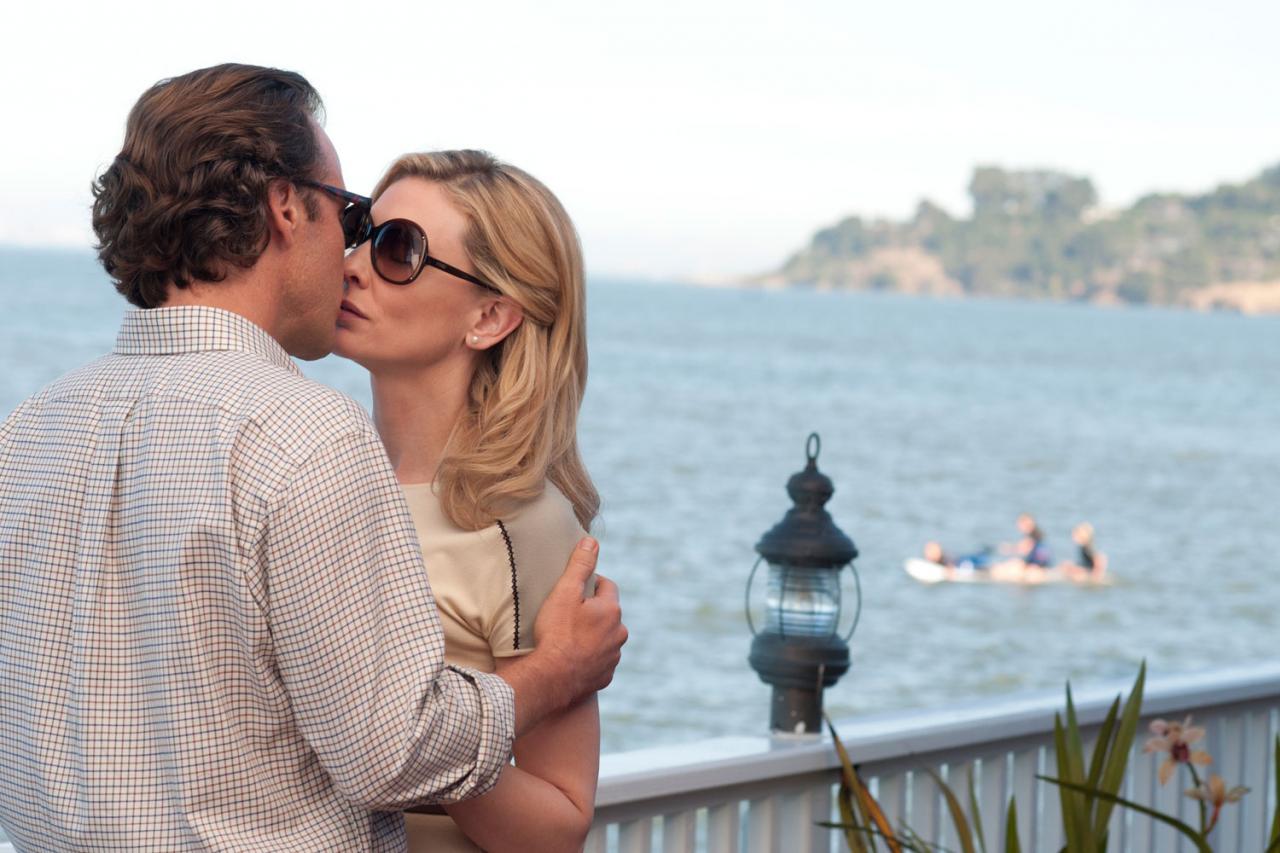
From this point of view, Blue Jasmine represents Allen’s coming-out film, by virtue of placing his class anxieties front and center, not through embarking on any themes that are significantly new for him. The vague use of A Streetcar Named Desire (movie and play) as a loose model, with Cate Blanchett serving as a sort of Yankee Blanche DuBois, parallels the vague uses of A Place in the Sun and An American Tragedy in Match Point. Read more