Written in September 2021 for Caiman Cuadernos de Cine‘s November issue. — J.R.
For an online weekly lecture series I’m giving in
Chicago, “World Cinema of the 1960s”, I can revisit
certain experiences I had in Manhattan six decades
ago, meanwhile exploring the relevance films such as
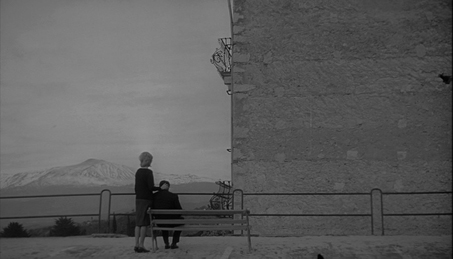
L’avventura, L’année dernière à Marienbad, and Le
Mépris might have today, especially for young people
seeing them for the first time.
How much have we learned since my discovery that a film like L’avventura could have the weight of a serious novel? I was already an aspiring novelist then, so it took longer to appreciate Antonioni’s mastery of mise en scène, composition, editing, and sound mixing. How many cinephiles today already know about such things without L’avventura reminding them?
I hardly had any notion of intellectual cinema in 1961, or that Michelangelo Antonioni and the very different Jean-Luc Godard were fast becoming its key European figures. Books about film history in English could be counted on the fingers of one hand. Yet the fact that L’avventura, booed at Cannes, placed second, after Citizen Kane, in an international critics poll conducted by Sight and Soundless than two years later, suggested that this hIstory was already being rewritten.Read more
The progression from Sweetie to An Angel at My Table to The Piano to this unsatisfying mess (1996) shows that the more money director Jane Campion has to spend, the more of her formidable talent she wastes. This time she all but drowns in a sea of production values and Monarch Notes. Almost everyone in the cast is good (except John Malkovich, who gives a tiresomely generic performance), and Martin Donovan as the heroine’s doomed cousin is especially affecting. But they’re all treading water, and neither the script (by An Angel at My Table‘s Laura Jones) nor the direction supplies them with any reason for being. It’s highly doubtful whether Henry James’s 1881 novel is filmable to begin with, as the book depends on a style of observation and nuance that proceeds with the methodical patience of a bricklayer. Campion has none of this patience and little discernible design or vision to replace it with, and she seriously mauls the novel. A coy New Age prologue, an early dream sequence, and a surrealist black-and-white interlude are at best provocative teasers for an alternative to James that never takes shape, and the dull use of a wide-screen format only increases the sluggishness. Read more
THE GUILTY: JAKE GYLLENHAAL as JOE BAYLER. CR: NETFLIX ?? 2021.
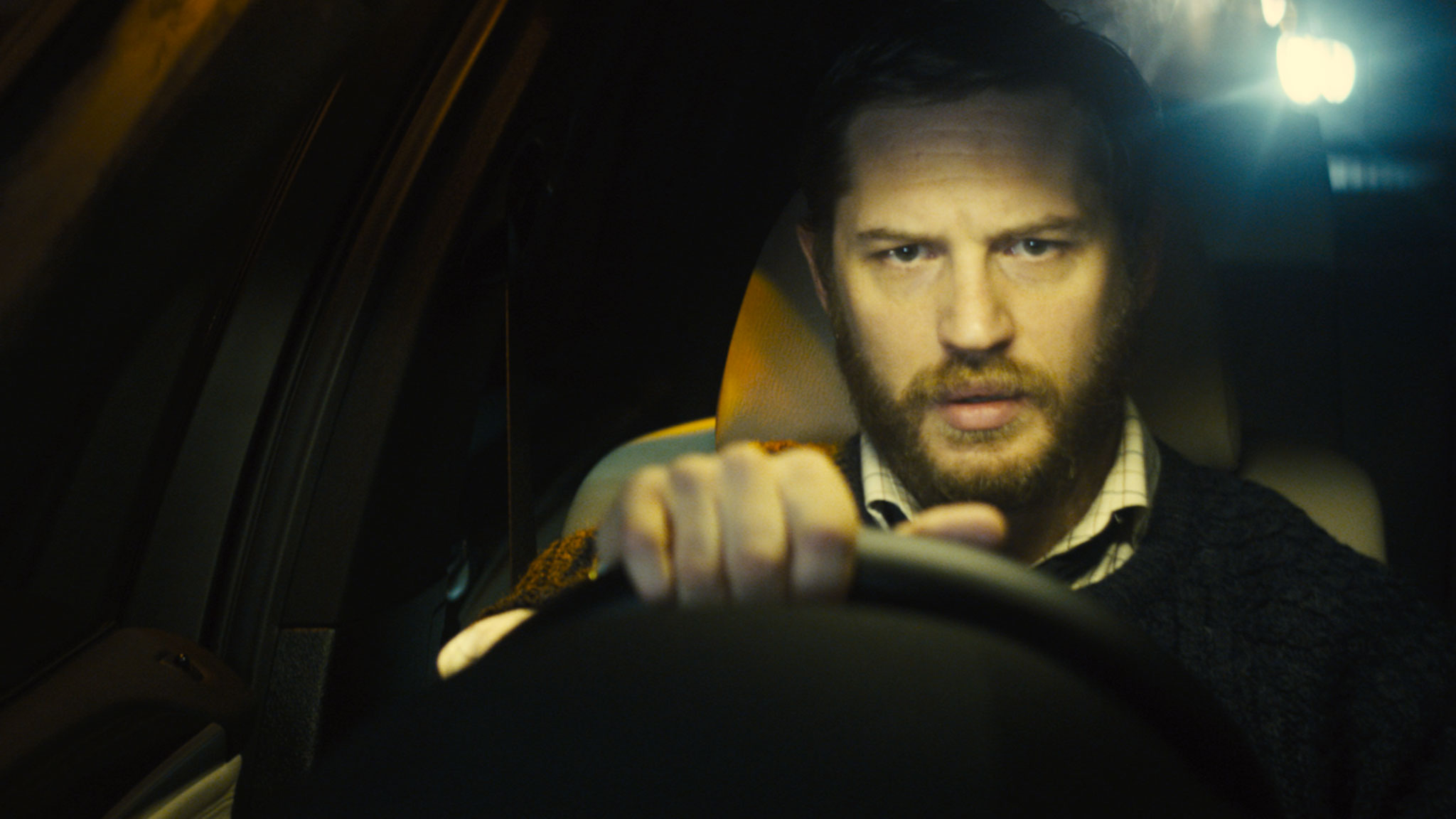
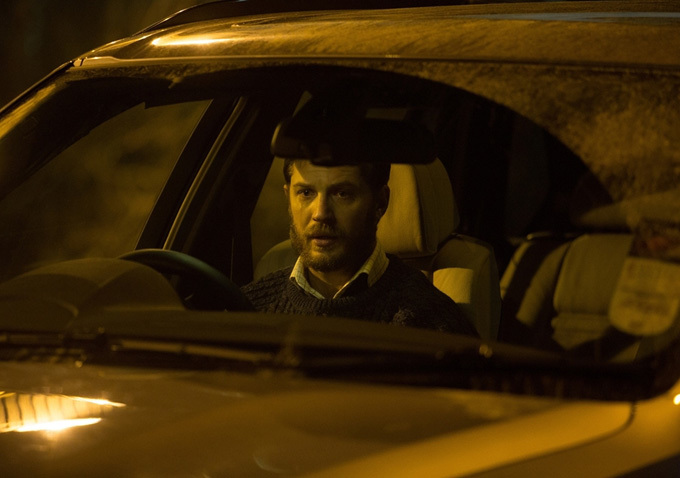
When I saw and marveled at Steven Knight’s Locke with Tom Hardy eight years ago, I assumed at the time that it was an unrepeatable tour de force. Writing about it in my DVD column for Cinema Scope (https://jonathanrosenbaum.net/2021/04/conspicuously-absent-or-apt-to-be-overlooked/), I described it as “84 minutes of a guy driving from Birmingham to London, or thereabouts, meanwhile talking to colleagues, family, and acquaintances on the phone,” which doesn’t begin to do the film justice but at least describes its narrative and dramatic form fairly simply.
I certainly couldn’t claim that Antoine Fuqua’s no less sedentaryThe Guilty, a Hollywood/Netflix thriller, is any sort of remake of Locke, an English art film. (For one thing, The Guilty is actually is a remake of a Danish movie with the same title that I haven’t seen, released only three years ago.) But the parallels between the two features still striking, interesting, and multiple. Apart from a couple of bathroom breaks, the hero/antihero here is again constantly on the phone, like the construction manager in Locke, the prisoner of the same supposedly real-time construction (more fiddled with in The Guilty) and apart from a few brief cameos from colleagues, this cop answering and relaying calls on a 911 detail is seen alone, similarly jabbering away with and to a multitude of characters whom we never see, meanwhile trying to bring order to the chaos and confusion he’s confronting at the same time that his own life appears to be falling apart.Read more
From the November-December 1981 issue of Film Comment. I was gratified to learn from David Bordwell, via his own web site (as well as an email to me), that he’s eventually come around to agreeing with my major complaint about his book. (For an update to his link to my subsequent essay about Gertrud, go here. However, his link to this essay no longer works, so here’s one that does.)
The photograph of Dreyer immediately below is by Jonas Mekas. — J.R.
The Films of Carl-Theodor Dreyer by David Bordwell. 251 pp., illustrations, index, University of California Press, $29.50
In relation to Roland Barthes’ distinction between readerly and writerly texts, David Bordwell — an academic marvel who organizes huge masses of material with an uncanny sense of what can or can’t be assimilated –- should be considered a master of the teacherly text. His ambitious textbook written with Kristin Thompson, Film Art: An Introduction (Addison-Wesley, 1979), has rightly been regarded as a landmark to many film teachers — a sort of Whole Systems Catalog of formal registers in film that, like Dudley Andrew’s The Major Film Theories, makes a good bit of relatively difficult material accessible to students. Read more
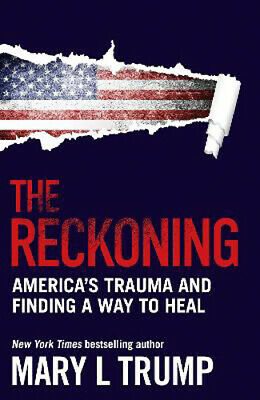
The merit of Mary L. Trump’s energizing and persuasive new book, The Reckoning: Our Nation’s Trauma and Finding a Way to Heal, which usefully combines psychology with our national history, is its demonstration of the diverse ways that denial shapes not only much of our politics but most of our media. It might also be argued that, as Mary Trump periodically implies, the principal agent of that denial is capitalism, which trumps democracy (pun intended) whenever it can.
The main form of denial Mary Trump’s book is concerned with is related to the trauma caused by American genocide and enslavement and the myth of white supremacy that has sought to justify and sustain these practices, but it applies equally well to the history of this country’s obscurely motivated and ill-defined wars, most recently the military occupation of Afghanistan. The media’s emphasis on the messinessn of our military withdrawal is predicated entirely on capitalist assumptions that (1) messiness is always what people want to watch the most, (2) ignoring and in effect denying the messiness of previous unnecessary wars to make the end of the present one seem unique and unprecedented. Our other military occupations, and our eventual messy withdrawals (e.g.,Read more
The following letter was published in the May 2021 issue of Harper’s magazine. Violet Lucca, the Letters editor, invited me to respond to the March issue’s cover story, by Martin Scorsese, “on Fellini and the lost magic of movies”. — J.R.
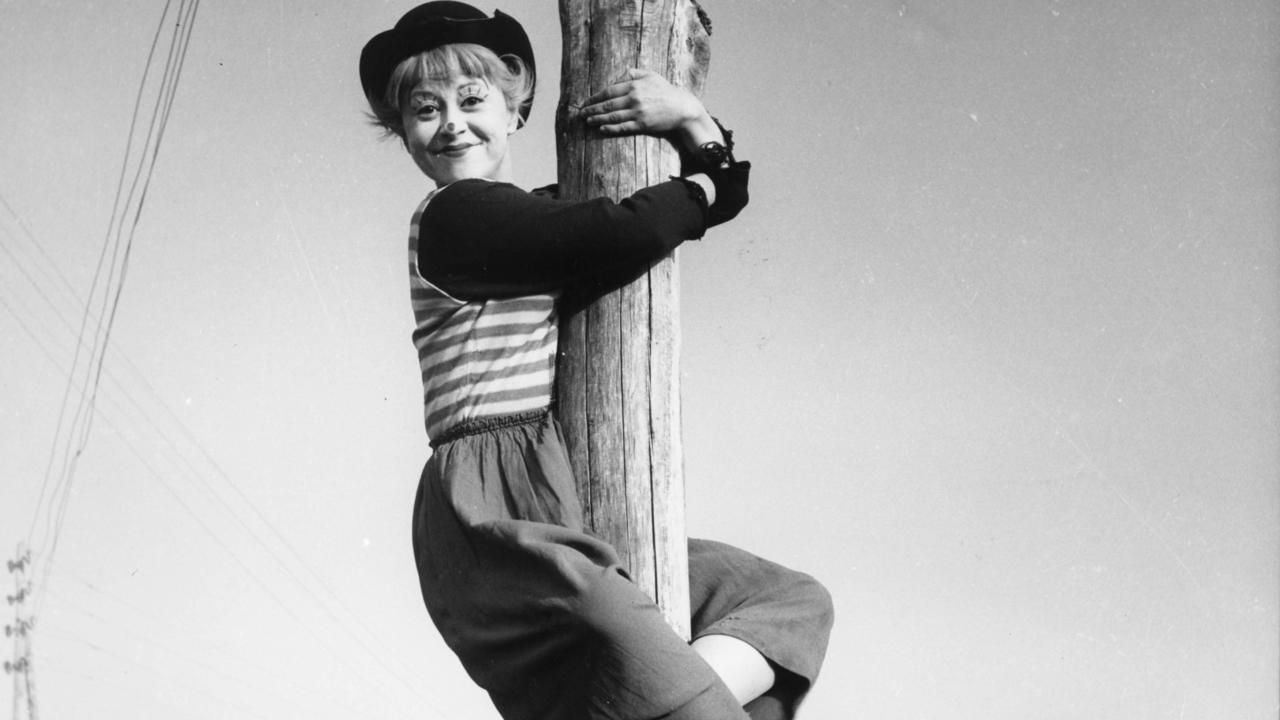
The moment cinephilia links up with personal nostalgia, as it does in Martin Scorsese’s “Il Maestro,” intellectual distinctions become tenuous. He laments the devaluing of art as “content” by his dumb employers and people accessing cinema in their homes, yet he has no trouble admitting that he first saw La strada on TV with his parents. Moreover, he grew up with movies as an art form before having to wrestle with it as a business, whereas I grew up in a family of Alabama exhibitors and eventually underwent the reverse trajectory, discovering film art in New York around the same time he did.
Scorsese’s clearly a cinephile who has done extraordinary and generous work in making world cinema more widely available, but you’d never guess this from reading him on the subjects of Fellini and contemporary film culture. Here he seems to confuse personal choices and predilections with history, but my choices as a consumer aren’t his.
For me film culture remains as vital in some ways as it was in the 60s when Jonas Mekas could put out a magazine plausibly pretending to celebrate all of it. Read more
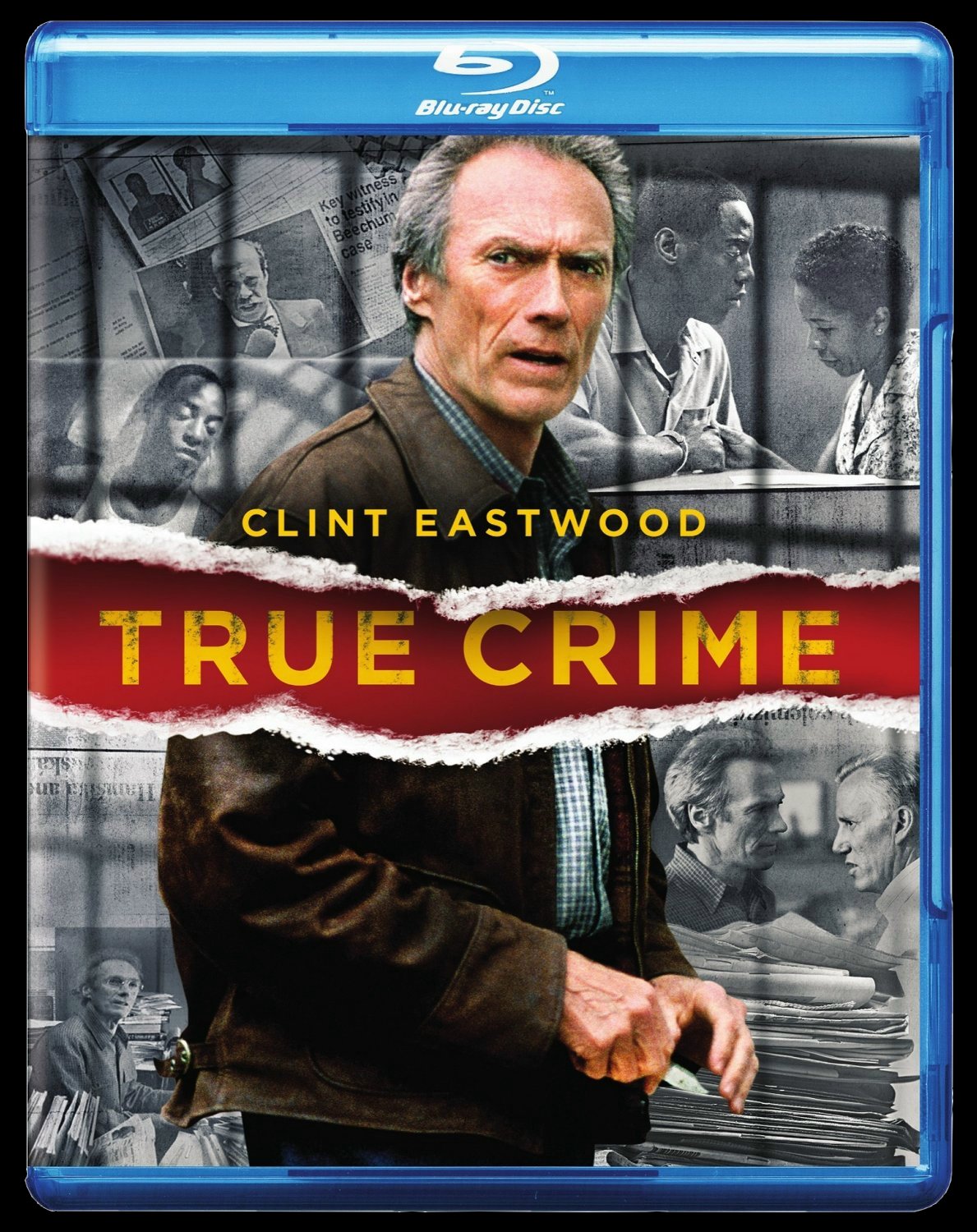
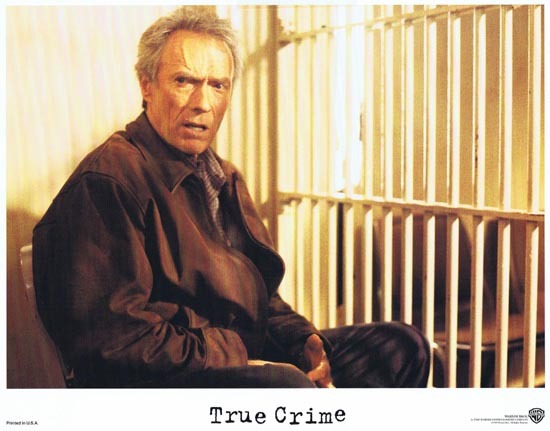
An adulterous, womanizing investigative journalist (director Clint Eastwood), on the wagon and somewhat over the hill, inherits an assignment to interview a man convicted of murder (Isaiah Washington) hours before he’s slated to be executed at San Quentin, and he becomes convinced that the man is innocent. Eastwood as a director generally alternates more adventurous projects (Bird, White Hunter, Black Heart) with bread-and-butter fare like the Dirty Harry movies, and this hokey thriller, reeking with 30s prison-movie stereotypes and High Noon countdowns, may be the price we have to pay for Midnight in the Garden of Good and Evil. The storytelling is as crafty and streamlined as ever, but the story itself, adapted from a novel by Andrew Klavan, is so shopworn that not even three better-than-average screenwriters (Larry Gross, Paul Brickman, Stephen Schiff) can overcome the cynical and absurd contrivances. Eastwood himself, pushing 70 but cruising women in their early 20s, counts on more goodwill than I can muster. I wasn’t bored, but my suspension of disbelief collapsed well before the end. With Denis Leary, Lisa Gay Hamilton, and James Woods. (JR)
This book review appeared in the July 7, 1991 issue of Newsday. More recently (Christmas eve, 2014), I’ve read Susan L. Mizruchi’s instructive Brando’s Smile: His Life, Thought, and Work (Norton), which finds far more coherence in Brando’s career than Schickel did. — J.R.
BRANDO: A Life in Our Times, by Richard Schickel. Atheneum, 271 pp., $21.95
“Of the many illusions celebrity foists upon us the illusion of coherence, the senses that these are privileged people in the world who somehow know what they are doing in ways that we do not, is the largest, and possibly the most dangerous. But Marlon Brando has kept faith with his incoherence.”
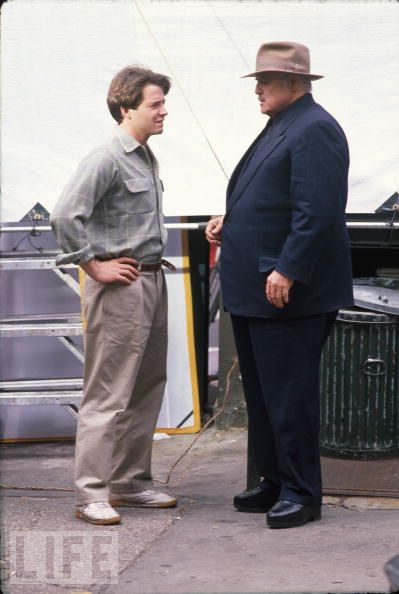
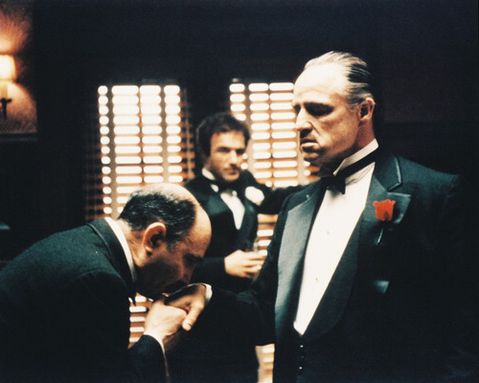
Arriving at this judgment toward the end of a head-scratching appraisal of the logic and meaning of Marlon Brando’s career, critic Richard Schickel seems to be breathing a sigh of relief, and some readers may feel like joining him. It’s an honorable and instructive admission of defeat, and while one may disagree by finding some coherence where Schickel does not — I happen to relish Brando’s modest and earthy performance in The Freshman as a refreshing autocritique of his posturing role in The Godfather (which Schickel considers his last “real” performance) — it’s still a premise that one can hang an exploratory book on. Read more
A column for the Spanish magazine Caimán Cuadernos de Cine. I believe it was written circa May 2014-. J.R.
En movimiento: Welles in Woodstock
Jonathan Rosenbaum
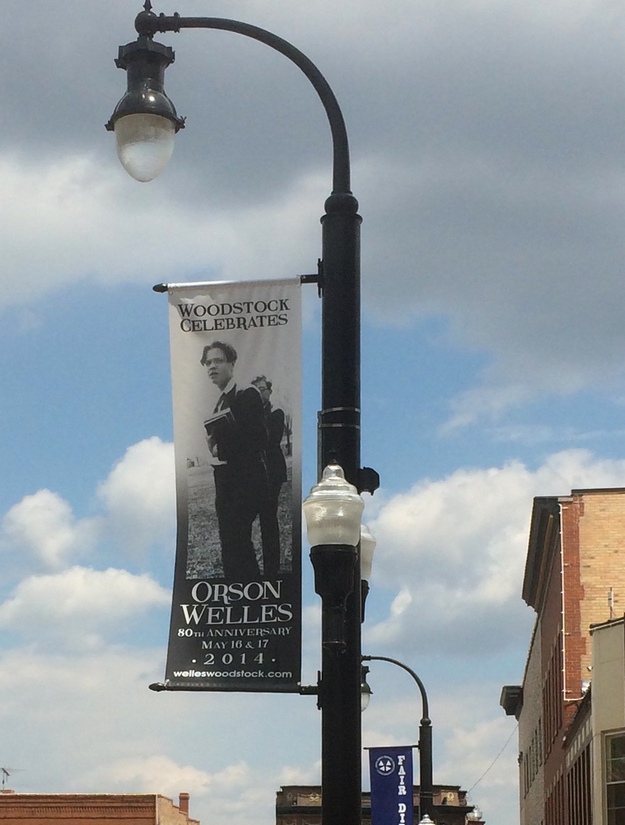
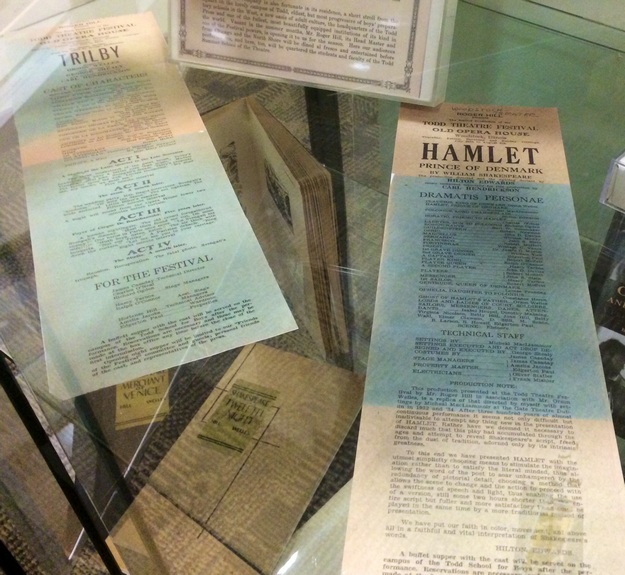
I’ve recently returned from Woodstock Celebrates Orson Welles, a delightful two-day event in Illinois (16-17 May) organized by Kathleen Spaltro and commemorating the 80th anniversary of the Todd Theatre Festival held at the Woodstock Opera House in 1934, orchestrated by Welles at the age of 19 and sponsored by his mentor and one of his lifelong best friends, Roger Hill — headmaster of the Todd School for Boys, which Welles attended from 1926 to 1930.
When Welles graduated from Todd, Hill wanted him to attend Harvard while Welles’ guardian, Dr. Maurice Bernstein (whom Everett Sloane’s character in Citizen Kane was named after), hoped he would go to Cornell. But Welles, still under the spell of an article published by one of Chicago’s leading drama critics, Ashton Stevens (who wrote for the Chicago Herald-American, a Hearst newspaper, and was the model for Jed Leland in Kane), predicting that the young genius was destined to become a major actor, didn’t want to go to college. So a compromise was struck: Welles would travel to Scotland, Ireland, and England on a sketching tour before embarking on any formal education, writing letters home to chart his progress and his adventures. Read more
The great Hungarian filmmaker Jancsó Miklós (or Miklós Jancsó, as he is known in the West) died peacefully in his sleep on January 31, 2014. Mehelli Modi, who has released excellent DVD editions of some of his films on Second Run in the U.K. (and has more recently brought out a Blu-Ray of his remarkable 1974 Electra, My Love), emailed me a couple of weeks later, asking, on behalf of Jancsó’s sons Nyika and David, if I could write something to be read at his memorial service on February 22. Here is what I sent back. — J.R.
It would hardly be an exaggeration to say that I regard Jancsó Miklós as one of the great lost continents of world cinema, especially outside Hungary — and largely, I suspect, because Hungarian history, which forms a major part of his oeuvre, is another lost continent from the vantage point of the West. With the possible exception of Sergei Eisenstein, I suspect that Jancsó remains the supreme example of a film artist who views history as a multilayered and passionate form of pageantry, something to be sung and danced, by the camera as well as by the actors, and, speaking more figuratively, by the audience. Read more
From the Chicago Reader, June 1, 2002; slightly tweaked in 2014. — J.R.
One reason Paul Schrader’s Calvinist obsessions have become tiresome — even when someone else is partially responsible for the writing, as is the case here — is that he seems more invested in their perpetuation and exploitation than in their exploration. Yet I have to concede that he’s become an unusually skillful and sensitive director of actors, and the inventive performances — Greg Kinnear as Bob Crane (the wholesome star of Hogan’s Heroes who became a sex addict) and Willem Dafoe as his seedy sidekick and fellow pornographer — keep this story interesting in spite of its puritanical framework. Watchable, but not very insightful (2002, 107 min.). Written by Michael Gerbosi; with Rita Wilson and Maria Bello. (JR)
If I’d had my druthers, I would have seen Jacques Rivette’s masterpiece Out 1 for the third time this past weekend, at the Gene Siskel Film Center. It’s still one of my all-time favorites, offering far more pleasure, enlightenment, and sheer stimulation over its dozen and a half hours than any dozen routine commercial releases (which would cumulatively last twice as long, and most of which I wouldn’t dream of seeing if my job didn’t require it). Thanks to work, I had to content myself with about three of the eight episodes, #3, #7, and #8. Still, it was gratifying to see this much of it with such an appreciative and good-sized audience (about 140) who laughed in all the right places and seemed to enjoy it as much as I did. (The experience was enhanced by a superb job of “soft subtitling” supervised by Sally Shafto, director of the last Big Muddy Film Festival.)
I realize this is the third post about Rivette in the past couple weeks (see Pat Graham’s Celine & Julie: The Typeface and One Sings, the Other Doesn’t), but he’s the kind of filmmaker who fosters obsessiveness of various kinds.
It’s hard at many festivals apart from the biggest ones to determine whether a film is really “new” or not: “new” in relation to where? I was fortunate enough to attend the world premiere of Jia Zhangke’s Still Life in Venice last year and then resee it in Toronto a week or so later. It’s playing in Rotterdam now, and perhaps it will reach Chicago a year from now, or maybe a little sooner. In the busy cafe-bar of the Lantaren/Venster, the oldest of the festival’s three multiscreen multiplexes (where virtually the entire festival was taking place the first year I attended, 1984), between two programs, I buy a Chinese DVD of this film, priced around $10 in Euros from a clerk who assures me that this version has English subtitles, even though they aren’t mentioned on the box — something I may not be able to confirm until I’m back in Chicago next month. But then, just before a Chinese indy film called Weed starts a few minutes later, I find I’m sitting a row away from Chinese film expert and sometime Reader reviewer Shelly Kraicer, who assures me that (1) this version is subtitled, and (2) it can be bought on the streets of Beijing for about $1.10 — or 80 cents if it’s from a pirated source. Read more
The following was commissioned by and written for Asia’s 100 Films, a volume edited for the 20th Busan International Film Festival (1-10 October 2015). — J.R.
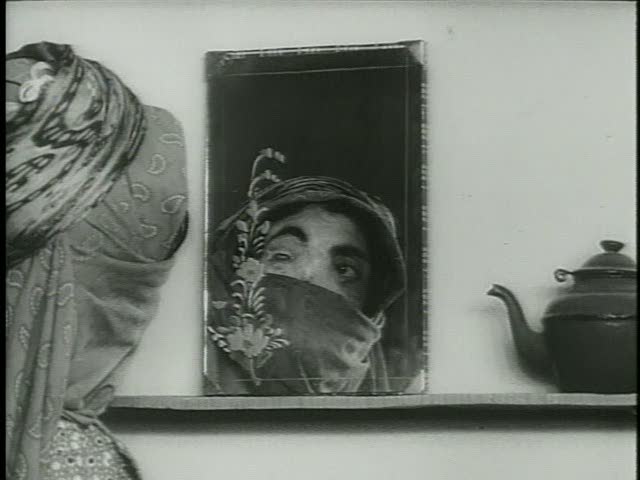
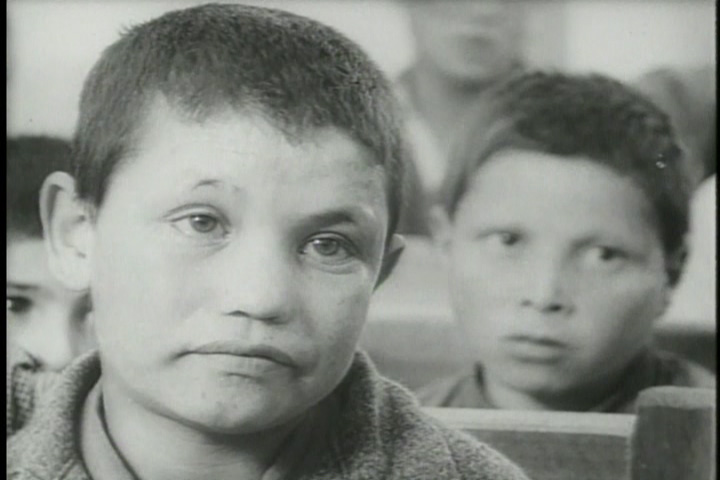
The House is Black is the most acclaimed of all Iranian documentaries. It was directed by Forough Farrokhzad (1935-1967), widely regarded as the greatest of all Iranian women poets and the greatest Iranian poet of the 20th century, who died in a car accident when she was only 32. It was Farokhzad’s only film, produced in 1962 by her lover Ebrahim Golestan (an important filmmaker in his own right, for whom she also worked as an editor, and who serves as one of the film’s narrators). The film observes the tragic life of lepers in an isolated leprosy hospital (a hell on earth and a nest of suffering and death) near Tabriz in northwestern Iran. The Society for Assisting Lepers commissioned the film, and the director’s intention was “to wipe out this ugliness and to relieve the victims.”
Farrokhzad avoids infringement by creating a close relationship with the lepers, and by searching for the seeds of joy and vitality within the hopelessness. She depicts the inhabitants in their daily occupations, having meals, praying, the children playing ball and attending school. Read more
In most respects, I’m delighted and honored that a version of the following essay was published in Issue Two of the journal Music & Literature, which is devoted to László Krasznahorkai, Béla Tarr, and Max Neumann, In fact, this essay was commissioned by the editors of this handsome special issue, and my only reason for posting my original version is that a few stylistic edits were made, in what I’m sure were sincere efforts to clarify some of the entanglements in my lengthy sentences, that unfortunately yielded some embarrassing factual errors in the piece, as well as a few significant cuts. (It now appears that I read portions of the French translation of Krasznahorkai’s novel before I ever saw Tarr’s film and that Erich Auerbach’s great book Mimesis now includes an analysis ofLight in Augustthat no one has previously read; and the remarkable observation from Dan Gunn that I quoted has been deleted.) So, just to keep the record straight, here, for better and for worse, is exactly what I wrote. More recently, in mid-January 2015, I belatedly received a copy of this article with the above Introduction reprinted in Scalarama, a publication put together by Stanley Schtinter to accompany a tour of Sátántangó in the U.K.Read more