From the Chicago Reader (February 16, 1996). — J.R.
My Life and Times With Antonin Artaud
Directed by Gerard Mordillat
Written by Mordillat and Jerome Prieur
With Sami Frey, Marc Barbe, Julie Jezequel, Valerie Jeannet, and Charlotte Valandrey.
Gerard Mordillat’s 1993 French feature My Life and Times With Antonin Artaud, showing this week at the Music Box, can be regarded only nominally as a biopic. Adapted from the diary of an obscure poet, En compagnie d’Antonin Artaud (which is also the film’s original, superior title), it tells the story of the poet’s relationship with Artaud over a two-year period, from May 1946 to March 1948, when Artaud died at the age of 52. In 1946 Artaud had just returned to Paris after nine years in an insane asylum, and Jacques Prevel befriended him and procured drugs for him, mainly laudanum, opium, and chloral. But the film has relatively little to say about Artaud’s work, except in passing, and virtually nothing about Prevel’s writing apart from his diary. Shot in beautiful, crisp high-contrast black and white, the movie certainly has something to do with the “life and times” of this bohemian duo — and Sami Frey and Marc Barbe do creditable jobs as Artaud and Prevel. Read more
With Sarah Michelle Gellar, Ryan Phillippe, Reese Witherspoon, Selma Blair, Christine Baranski, Sean Patrick Thomas, Louise Fletcher, and Swoosie Kurtz.
Cruel Intentions is the fourth movie adaptation I’ve seen of Choderlos de Laclos’ Les liaisons dangereuses, possibly the best French novel of the 18th century. It’s also the third version in English — though the first to reconfigure the plot as a contemporary teenage sex comedy. Will it be the last? Considering how serviceable the story is, it’s easy to imagine it being dusted off every decade or so for use in that dubious genre. The substitution of teen yuppies for 18th-century aristocrats isn’t a precise match — as some awkward carryovers of characters’ names makes clear — yet surprisingly, writer-director Roger Kumble comes close to pulling this off. (A writer on such comedies as Dumb and Dumber, Kingpin, and National Lampoon’s Senior Trip, Kumble’s art-movie profile appears to be nonexistent.) He sets the story in and around Manhattan, Sin City itself, and makes the scheming protagonists, Kathryn Merteuil (Sarah Michelle Gellar) and Sebastian Valmont (Ryan Phillippe), stepsiblings enrolled at an exclusive prep school just outside the city. Read more
This appeared in Omni, circa December 1980, and, if memory serves, a version of it also turned up in my book Film: The Front Line 1983. For about a year (1977-78), Hock and I (and also Raymond Durgnat, for a spell) , all colleagues at the Department of Visual Arts at the University of California, San Diego, shared a beautiful house in a Del Mar canyon that we sublet from an anthropology professor there who was away on a sabbatical. — J.R.
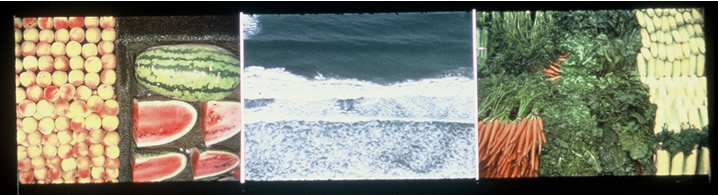
A single thread of 16mm film runs through three side-by-side projectors, all aimed at the same wall. Twenty-two and a half second elapse between the time when the first and the second screen images appear and the same amount of time passes between the appearance of the same silent image in the second and third, so that every image can be expected to occur twice in each 45-second cycle.
The title of this 70-minute film piece, made last year, is Southern California. Described by its maker, Louis Hock, as a “triptych cinemural,” it is also identified by him with precise measurements, like a temporal painting: 30 feet X 7.5 feet X70 minutes. And temporal painting may not be a farfetched description for what this thirty-two-year-old filmmaker — a man preoccupied with time and motion — is interested in exploring. Read more
From the Chicago Reader (October 25, 1996). In a recent and rather interesting book about Mike Leigh published by the University of Illinois Press, Sean O’Sullivan takes exception to this review (among others), with intriguing results. — J.R.
Secrets and Lies
Rating *** A must see
Directed and written by Mike Leigh
With Brenda Blethyn, Timothy Spall, Marianne Jean-Baptiste, Phyllis Logan, Elisabeth Berrington, Lee Ross, Claire Rushbrook, Ron Cook, Michele Austin, and Lesley Manville.
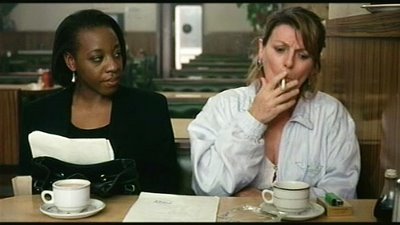
I’ve seen Secrets and Lies three times since it premiered at Cannes in May, and each time the movie’s apparent rough patches have seemed smoother — clear evidence that writer-director Mike Leigh knows exactly what he’s doing and why. But whether his knowledge and a viewer’s recognition of it make this comedy-drama a masterpiece is another matter. Some of my hipper colleagues feel a little suspicious about the film’s mainstream pitch, wondering whether the whole thing finally goes down a bit too easily, given Brenda Blethyn’s quavering histrionics, the upbeat conclusion, the snugness of the whole concept. But I can hardly begrudge a filmmaker as talented as Leigh a way of conveying his gifts to a wider audience; after all, Secrets and Lies doesn’t represent the same sort of coarsening of a filmmaker’s vision as Jane Campion’s The Piano, coming after Sweetie.
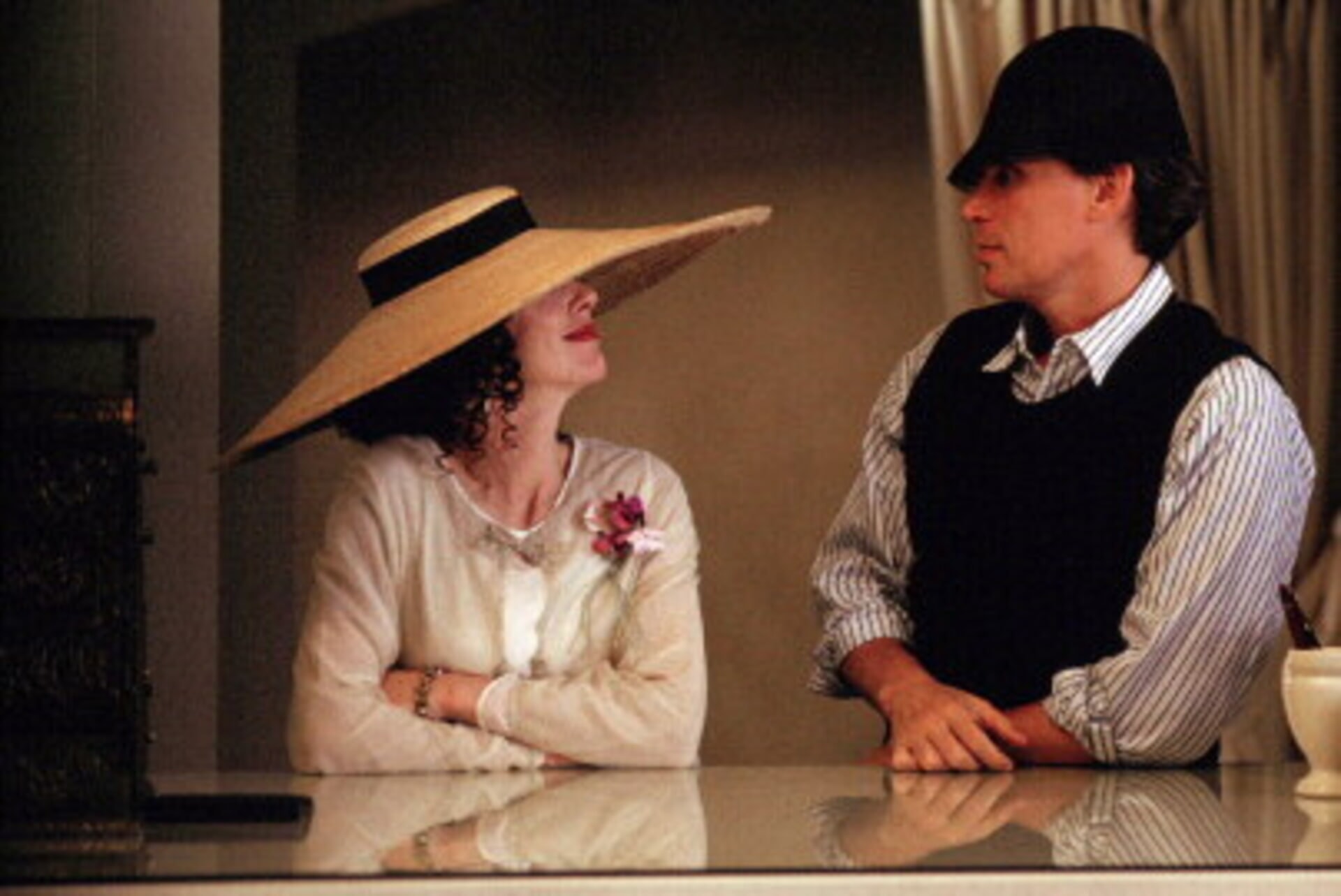
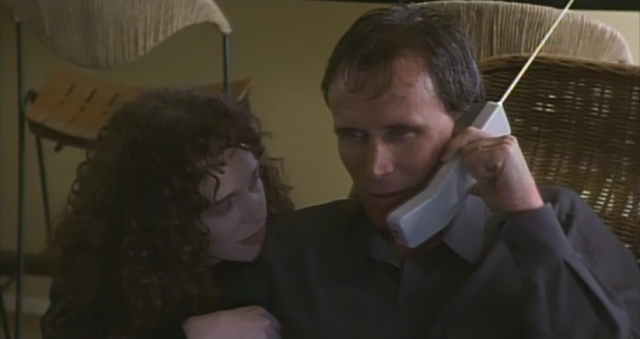
This new comedy by writer-director Michael Tolkin (The Rapture), which reunites the leads of Naked Lunch, Peter Weller and Judy Davis, as fashion-plate yuppies in Los Angeles who have spiritually lost their way, keeps promising to be a great satire. But the promise is only half kept; each time one expects some follow-through on a fruitful conceit (e.g., the couple opening a new boutique called Hipocracy, Patrick Bauchau as a mysterious guru), the movie stops dead in its tracks, just like the woeful couple. This is still great fun as far as it goes;, and serious as well; just don’t expect any structure. With Adam West as Weller’s father, John Diehl, Paula Marshall, and Samuel L. Jackson. (JR)
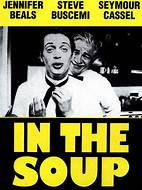
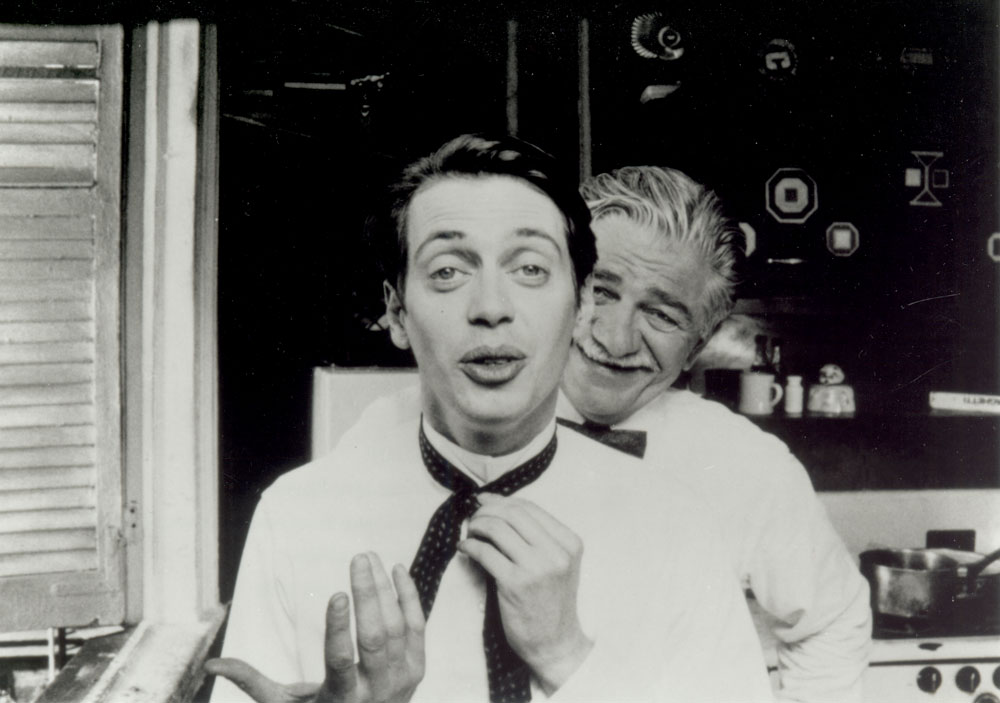
The main reason to see Alexandre Rockwell’s flaky, independent black-and-white comedy about an aspiring filmmaker (Steve Buscemi) on New York’s Lower East Side — a movie one feels was made every few months during the late 60s — is John Cassavetes veteran Seymour Cassel, playing a petty crook with a heart of gold who suddenly appears to the hero like a fairy godfather (no pun intended, despite his compulsive displays of physical affection) to serve as his producer. The movie seems conceived according to the joint emblems of Jim Jarmusch (who appears in a cameo, along with Carol Kane) and Cassavetes — rather like the first episode in Jarmusch’s Night on Earth, which used Gena Rowlands as a conduit into Cassavetes’s world. Here Cassel seems to be a variation on the noble/foolish hero played by Ben Gazzara in Cassavetes’s The Killing of a Chinese Bookie, but you certainly don’t have to know this source to respond to Cassel’s enormous funds of charm and charisma. (There’s also a wonderful performance by Sully Boyer as one of the crook’s incidental victims.) With Jennifer Beals, Pat Moya, and Will Patton (1992). (Music Box, Friday through Thursday, January 29 through February 4)
From the Chicago Reader (November 22, 1996)..– J.R.
Typically British
•
Directed by Mike Dibb and Stephen Frears
Written by Charles Barr and Frears.
2 X 50 Years of French Cinema
Rating **** Masterpiece
Directed and written by Anne-
Marie Mieville and Jean-Luc Godard
With Godard and Michel Piccoli.
I Am Curious, Film
Rating ** Worth seeing
Directed and written by Stig Bjorkman
With Lena Nyman and Bjorn Granath.
100 Years of Japanese Cinema
Rating * Has redeeming facet
Directed and written by
Nagisa Oshima.
Yang + Yin: Gender in Chinese Cinema
***
Directed and written by Stanley Kwan.
To celebrate the “100th anniversary of cinema,” the British Film Institute has commissioned a series of documentaries about national cinemas. Some of them are still being made, but the first 13 are showing at the Film Center as part of a series that started early this month with the three-part A Personal Journey With Martin Scorsese Through American Movies (excellent) and has continued with documentaries by Sam Neill on New Zealand cinema (witty), by Nelson Pereira dos Santos on Latin American cinema (ambitious but unsuccessful), by Edgar Reitz on German cinema (embarrassing), and by Pawel Lozinski on Polish cinema, realizing an outline by the late Krzysztof Kieslowski (I haven’t seen it). Read more
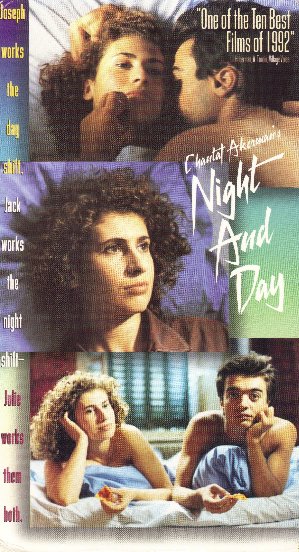
One of the constants of Chantal Akerman’s remarkable work is a powerful if heavy painterly style that practically precludes narrative flow even when she’s telling stories. Even at her best, as in Jeanne Dielman and The Man With a Suitcase, the only kind of character development she seems able to articulate with conviction is a gradual descent into madness. But the relatively unneurotic Night and Day (1991) strikes me as her most successful work in years. Julie (Guilaine Londez), the heroine, makes love to Jack (Thomas Langmann) in their small flat by day and wanders through Paris at night while he drives a cab — until she meets Joseph (Francois Negret) and guiltlessly launches a secret nighttime affair with him. Akerman brings a lyricism to the material that makes it sing like a musical. Whether the camera is gracefully traversing Jack and Julie’s flat or slowly retreating from Julie and Joseph across bustling traffic while he recounts the things he loves about Paris, Akerman seems to have discovered both a musical rhythm for her mise en scene and a deftness in integrating her score that eluded her in her literal musical Window Shopping. Read more
From DVD Beaver (posted June 2008). Some of these listings may be out of date — and in the case of Godard’s Histoire(s), superseded by subsequent American and/or Blu-Ray editions. — J.R.
Coming up with my favorite box sets from abroad is a far cry from compiling a list of my favorite films on DVD, foreign or otherwise, even if some of my favorite films are represented here. The problem is, as Mick Jagger puts it, you can’t always get what you want. To start with an extreme example, my favorite Hou Hsiao-hsien film is most likely The Puppetmaster (1993), but my least favorite of all the DVDs of Hou films in my collection happens to be the Winstar edition of that film. It’s so substandard —- not even letterboxed, and packaged so clumsily — that I’m embarrassed to find myself quoted on the back of the box, especially with the quotation mangled into tortured grammar.
I’ve aimed for a certain geographical spread as well as some generic balance: popular comedies, art films, experimental films, and one serial; DVDs from Belgium, France, Hong Kong, Italy, Japan, and the United Kingdom. Admittedly, roughly half of my selections come from France, and a quarter of them, to my surprise, comes from a single label, Gaumont —- maybe because this blockbuster company seems to specialize in blockbuster box sets. Read more
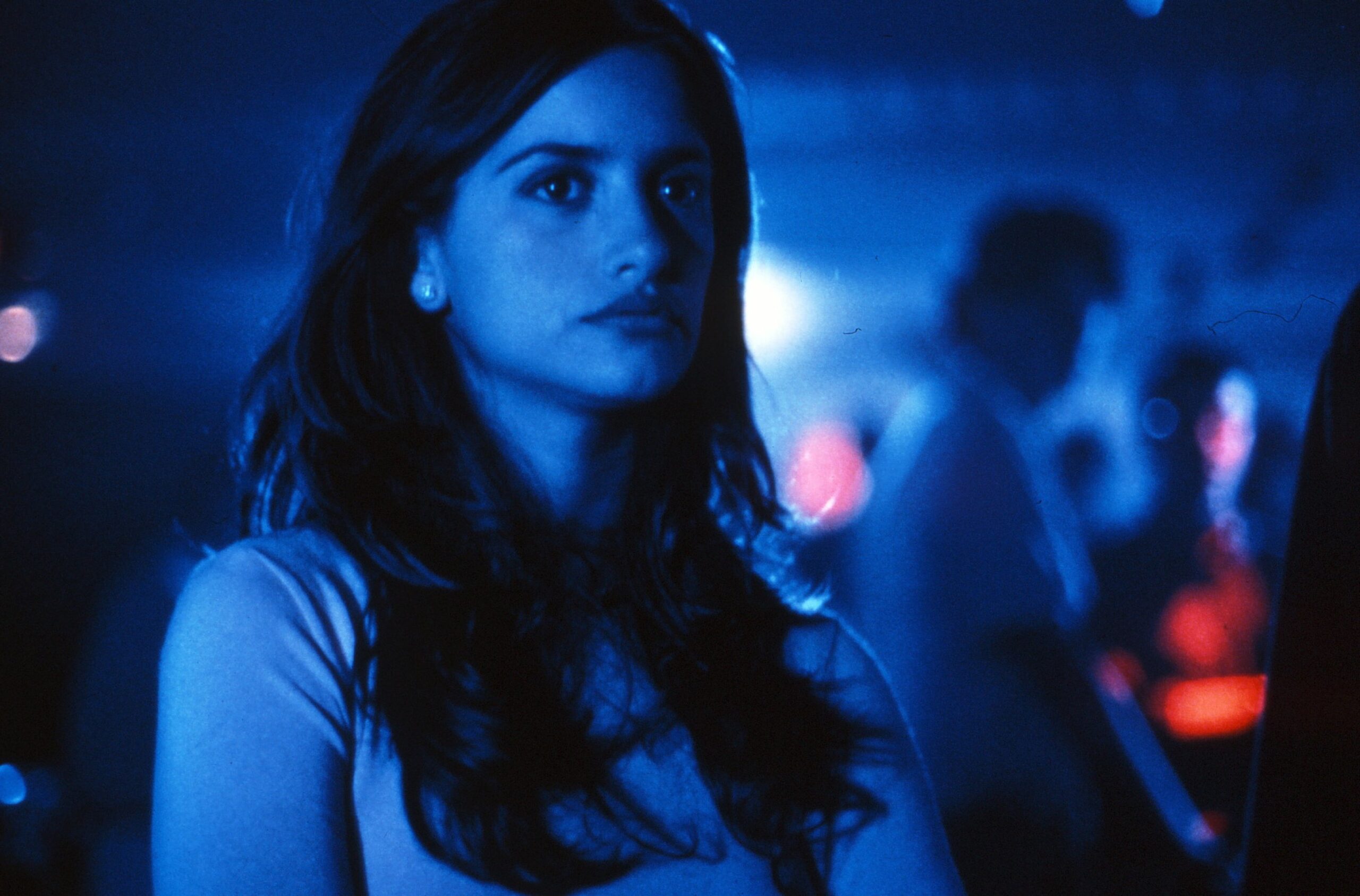
Tesis (1995), the first feature of Spanish filmmaker Alejandro Amenabar, is an adroit and imaginative slasher movie set at a film school. This more ambitious if less satisfying second feature, one of the top grossers in Spain in 1999, shows he still has an uncanny flair for producing dread. A wealthy young man (Eduardo Noriega) finds himself in a psychiatric prison for committing a murder he can’t clearly remember, and flashbacks take us into his dark recent past, in which he snubs an old girlfriend (Najwa Nimri) in order to pursue another (Penelope Cruz), is disfigured in a suicidal car accident staged by the old girlfriend, and discovers that the new girlfriend has changed into the old one. The experience of going mad, conveyed so vividly by pulp writer Cornell Woolrich, is the main bill of fare, and as with Woolrich, it works better than the denouement explaining what brought it about. Even if the script (written by the director and Mateo Gil) and direction are patchy, the obsessive theme is gripping — much more so than in Vanilla Sky (2001), the Tom Cruise remake. In Spanish with subtitles. 117 min. Read more
The following is Mark Rappaport’s Introduction to his new collection, The Secret Life of Moving Shadows, available now from Amazon as an e-book (in two parts, available here and here — a necessary division made in order to keep the book’s illustrations the proper size), reprinted here at my suggestion and with Mark’s permission.
I was delighted to learn, shortly after posting this for the first time, that the Criterion Blu-Ray of All That Heaven Allows includes Mark’s 1992 feature Rock Hudson’s Home Movies as one of the extras. More recently (in 2021), I learned to my delight that Fox Lorber has picked up a sizable portion of Mark’s oeuvre, for live screenings as well as digital releases. — J.R.
This is a collection of essays I wrote over the last several years. If there is no unifying theme to them or a through-line, let me just say that they were all written because I wanted to write them and I felt I had something to say about each of the films or subjects or ideas that I hadn’t seen adequately dealt with elsewhere. In almost every case, the idea came to me in a flash—either inspired by something I read or while watching a movie. Read more
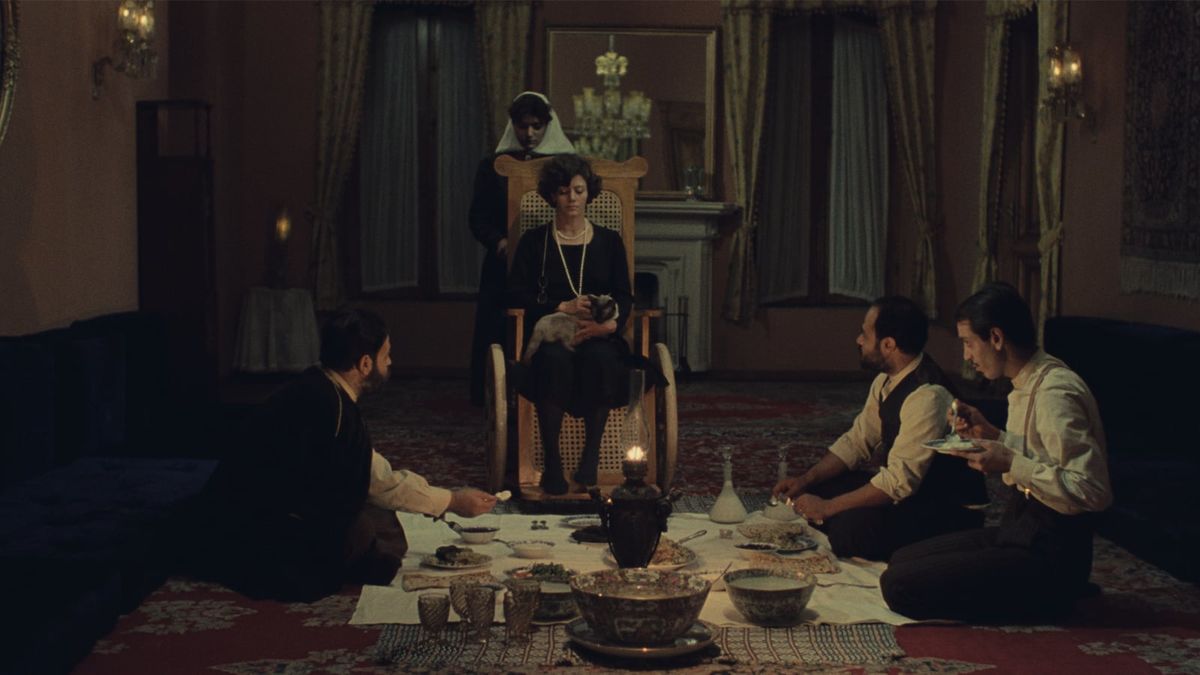
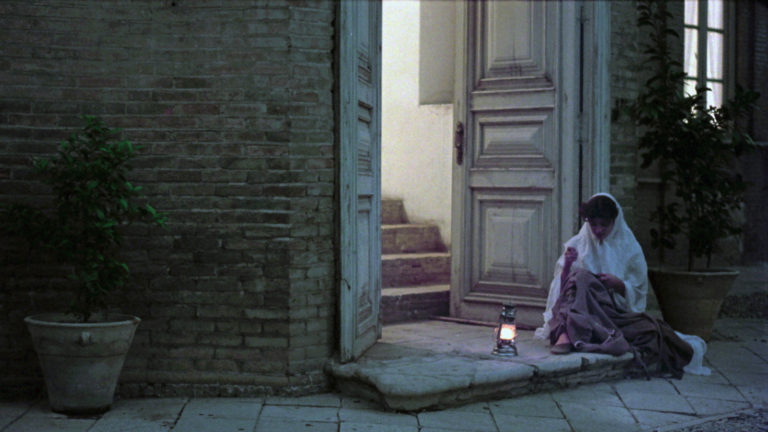
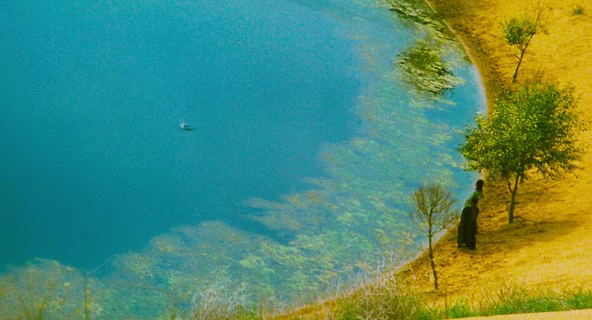
Thanks to an excellent and informative review by Godfrey Cheshire (https://www.rogerebert.com/reviews/chess-of-the-wind-movie-review-2021) and a subsequent chance to see the film, I now have one more item, apart from Kersti Jan Werdal’s Lake Forest Park, that I’ve seen too late to include on my already–published ten-best list. (And how many more revelations are still to come?) For its luminous cinematography (by Houshang Baharlou) and its remarkable score (by Sheyda Gharachedaghi) alone,Mohammad Reza Aslani’s rediscovered and restored 1976 The Chess Game of the Wind (which I insist on calling it over its meaningless release title,The Chess of the Wind) is a truly impressive movie that really packs a wallop.
And because I lack Godfrey’s knowledge about 20th century Iranian history, I tended to experience it as a sort of Gothic melodrama that seemed closer in some ways to Béla Tarr’s Almanac of Fall than to any other Iranian New Wave feature that I’ve previously seen. And even if I disagree with Cheshire on a couple of minor points (I find the camera movements more evocative of Murnau than of Ophüls, and the wonderful exterior sequences with the washerwomen closer to gossip than to Greek-chorus commentaries), his review provides all the right guideposts into the film’s wonders and dark pleasures.Read more
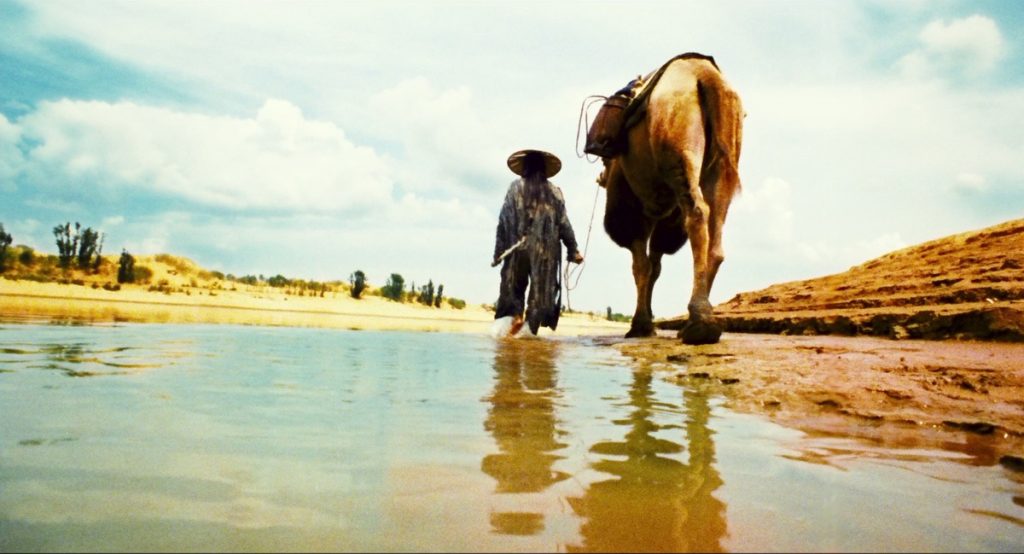
This is my kind of kung fu film — written and directed by the most original stylist of the Hong Kong new wave, Wong Kar-wai (In the Mood for Love), with action so fleetly and oddly edited you may not be sure what you’ve seen. Even when it slows down, this strange adaptation of Jin Yong’s martial-arts novel The Eagle Shooting Heroes is still a riot of fancy moves and obscure intrigues, spurred on by Wong’s usual ruminations about memory and the past and shot with incandescent brilliance by Christopher Doyle, probably the best cinematographer of the Hong Kong new wave. Basically a western, with swords replacing guns and a camel or two thrown in to supplement the horses, this 1994 feature is mannerist genre filmmaking at its most delirious and mystical, suggesting at times a weird cross between Sergio Leone and Josef von Sternberg. With Leslie Cheung, Tony Leung, Brigitte Lin, and Maggie Cheung. In Cantonese with subtitles. 100 min. (JR)
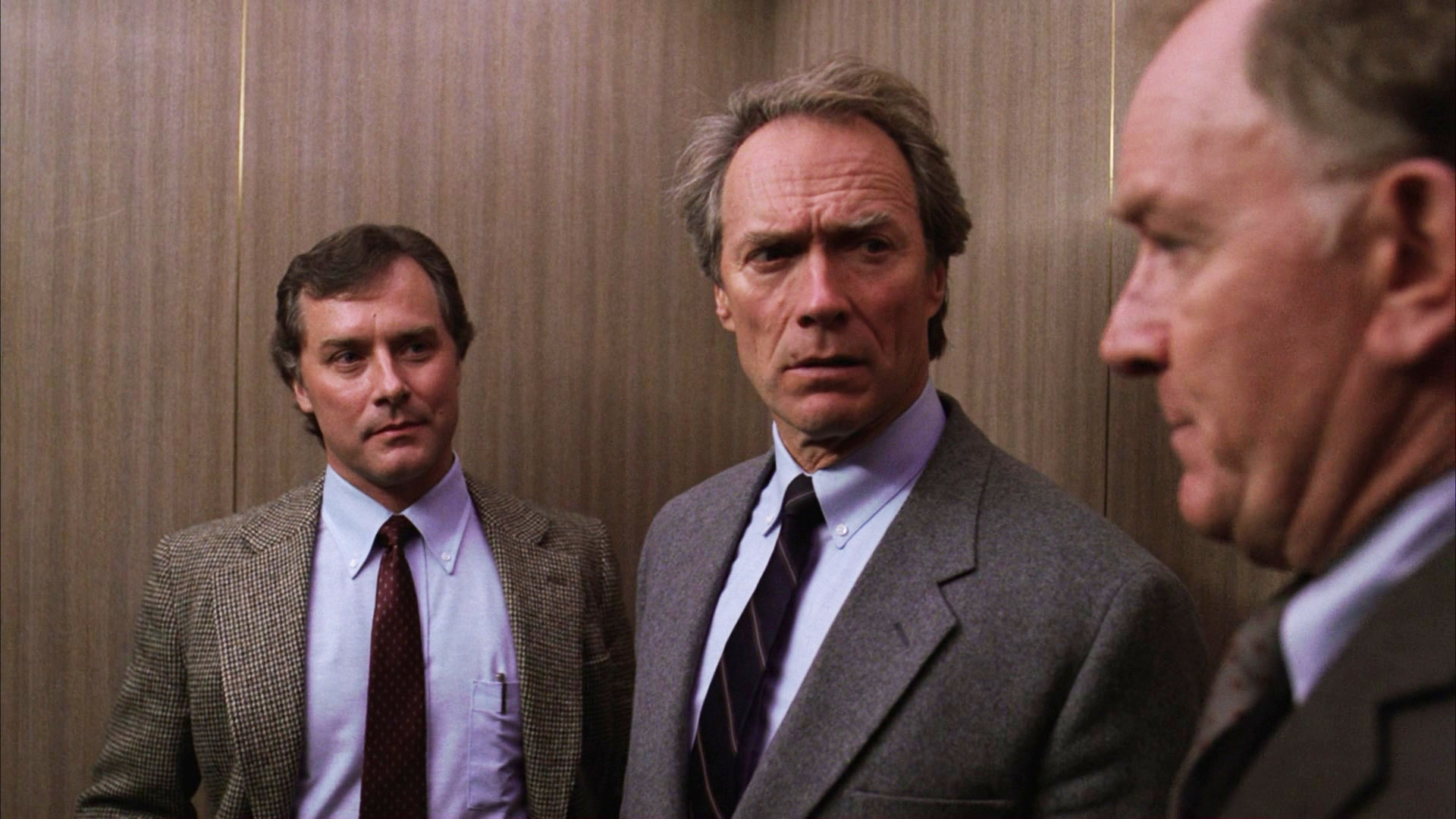
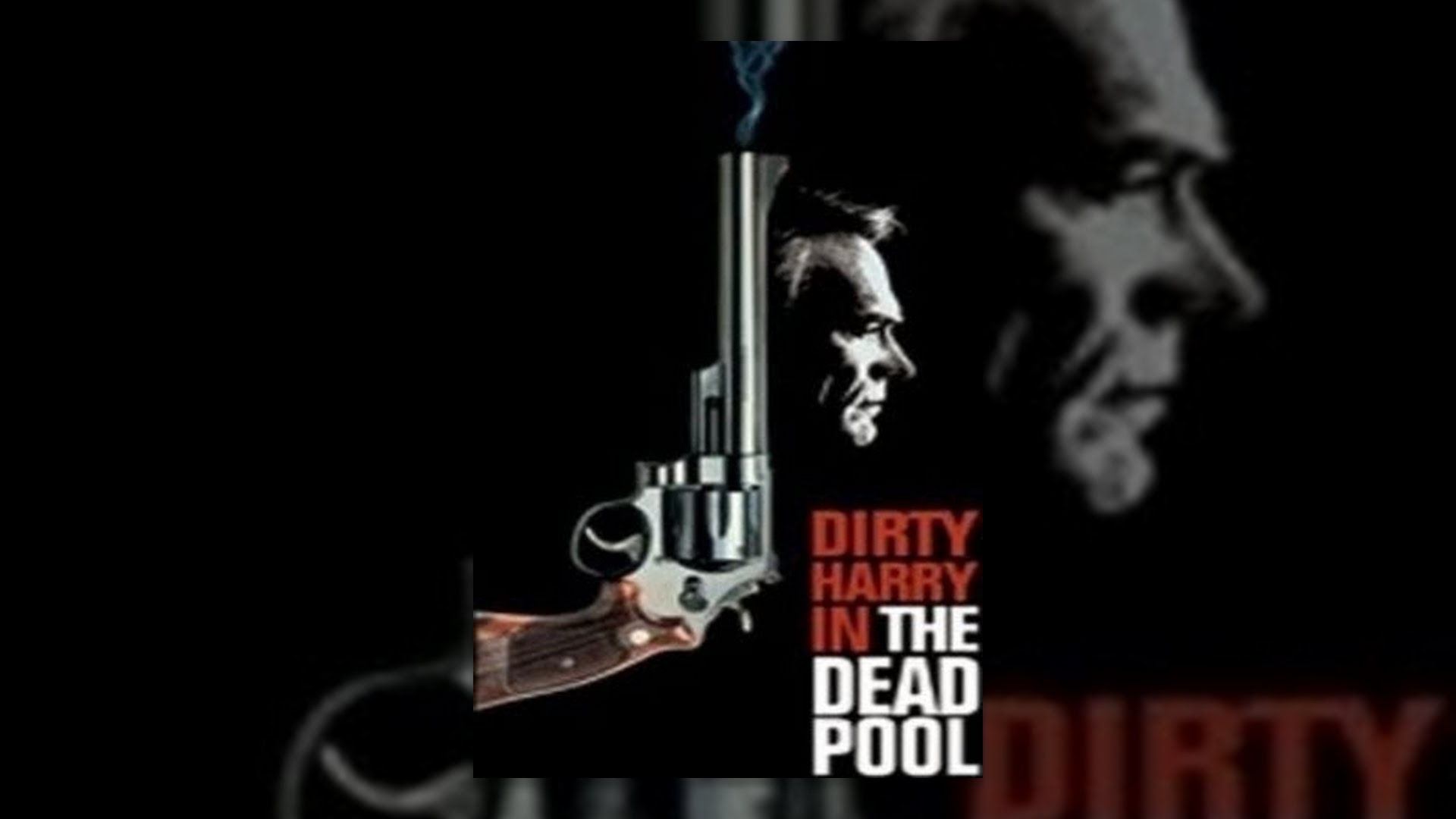
The deal went something like this: Clint Eastwood convinced Warners to let him make his ambitious movie Bird, about jazz giant Charlie Parker, by agreeing to grind out another Dirty Harry film in exchange. But because he was evidently less than enthused about the prospect of perpetuating the series, he chose to make this umpteenth episode pivot around the issue of the sickness of the media’s pandering uses of violence, as if to exonerate himself from his own doubts about the Dirty Harry cycle. It’s a sincere but ultimately pathetic instance of the pot calling the kettle black, with Eastwood trying to distance himself from the source of his appeal with his left hand while catering to it with his right. The results are an episodic thriller that certainly has its moments, but eventually peters out into dull formula standbys; Eastwood’s Harry seems weary of his own sarcastic witticisms, and the ones here won’t make anybody’s day. Patricia Clarkson, Evan Kim, Liam Neeson, and David Hunt costar; the script is by Steve Sharon. (JR)
From the Chicago Reader (December 1, 1980). — J.R.
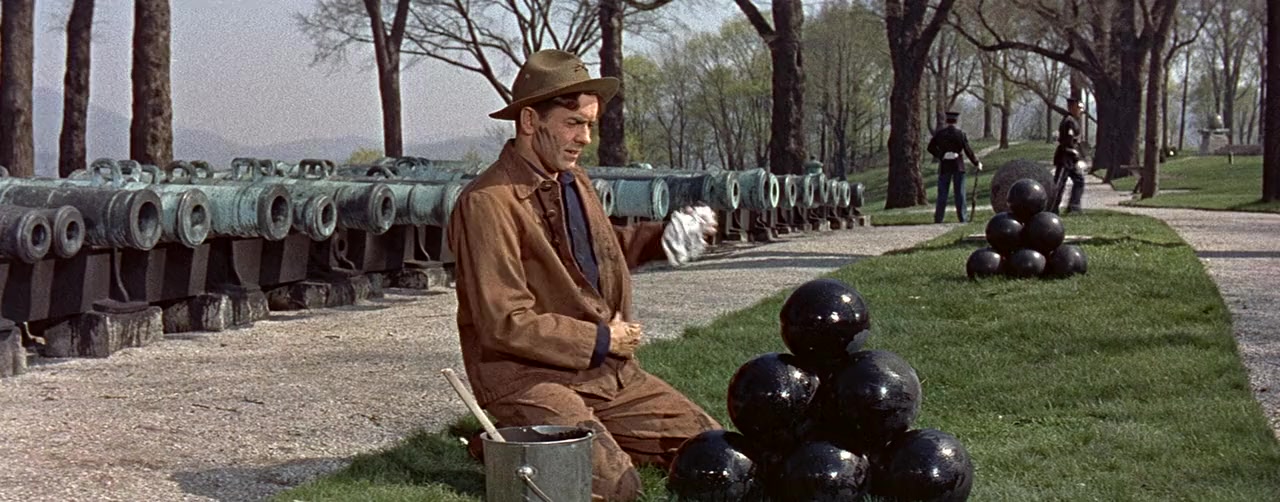
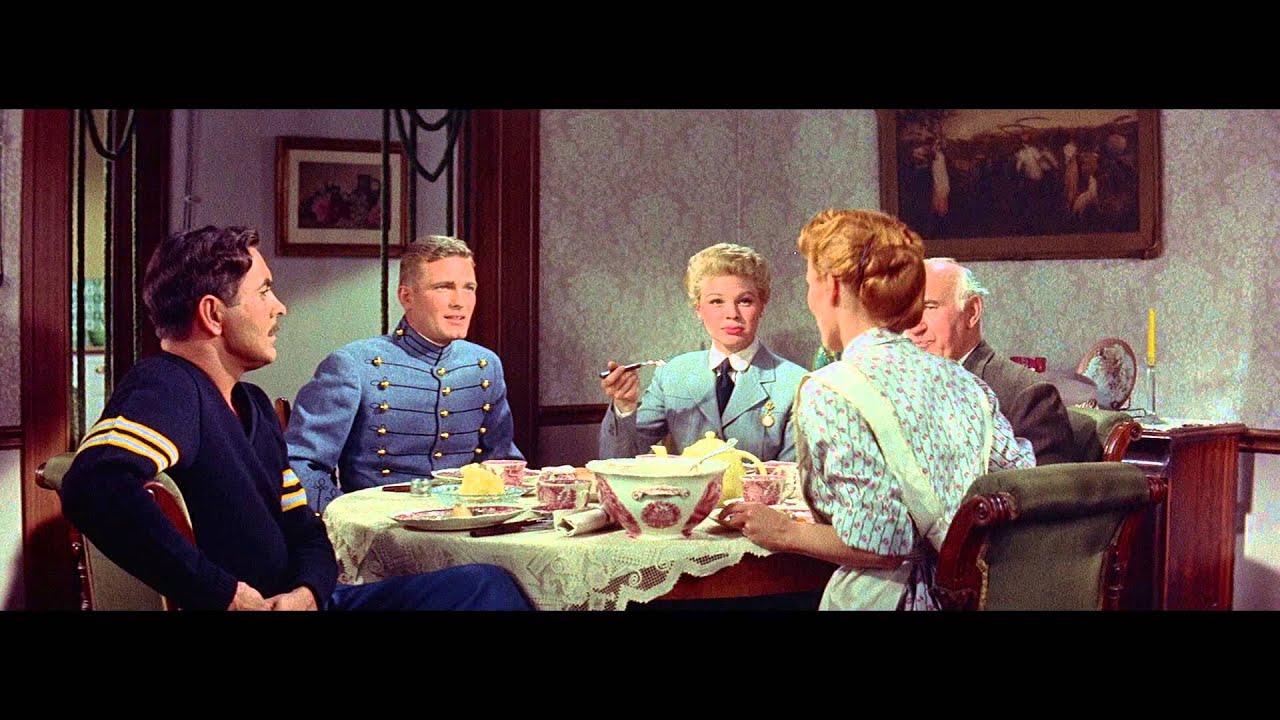
John Ford’s first film in ‘Scope also happens to be one of his major neglected works of the 50sa biopic of epic proportions (138 minutes) about West Point athletic instructor Marty Maher (Tyrone Power), who was a mess-hall waiter before joining the army but returned to West Point to become a much-beloved teacher — an example of the sort of victory in defeat or at least equivocal heroism that comprises much of Ford’s oeuvre. Adapted by Edward Hope from Maher’s autobiography, Bring Up the Brass, the film is rich with nostalgia, family feeling, and sentimentality. It’s given density by a superb supporting cast (including Maureen O’Hara at her most luminous, Donald Crisp, Ward Bond, and Harry Carey Jr.) and a kind of mysticism that, as in How Green Was My Valley, makes the past seem even more alive than the present. Clearly not for every taste, but a work that vibrates with tenderness and emotion (1955). (JR)


 Gerard Mordillat’s 1993 French feature My Life and Times With Antonin Artaud, showing this week at the Music Box, can be regarded only nominally as a biopic. Adapted from the diary of an obscure poet, En compagnie d’Antonin Artaud (which is also the film’s original, superior title), it tells the story of the poet’s relationship with Artaud over a two-year period, from May 1946 to March 1948, when Artaud died at the age of 52. In 1946 Artaud had just returned to Paris after nine years in an insane asylum, and Jacques Prevel befriended him and procured drugs for him, mainly laudanum, opium, and chloral. But the film has relatively little to say about Artaud’s work, except in passing, and virtually nothing about Prevel’s writing apart from his diary. Shot in beautiful, crisp high-contrast black and white, the movie certainly has something to do with the “life and times” of this bohemian duo — and Sami Frey and Marc Barbe do creditable jobs as Artaud and Prevel.