Written for the 2019 catalogue of Il Cinema Ritrovato in Bologna. Tim Lucas has helpfully and subsequently furnished us with the following on Facebook: “According to his autobiography, Roger Corman — then a script reader at Fox — retrieved this script from a slush pile and presented it to a producer acquaintance as having worth, given a proper rewrite. He did it himself, then presented it to the producer, who — without telling him — got the film greenlit as a Peck vehicle and took all the credit. Corman promptly quit his job and set about becoming a producer outside the Hollywood studio structure.” — J.R.
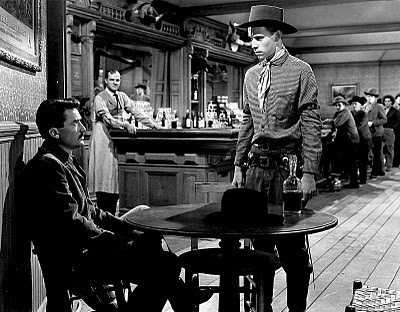
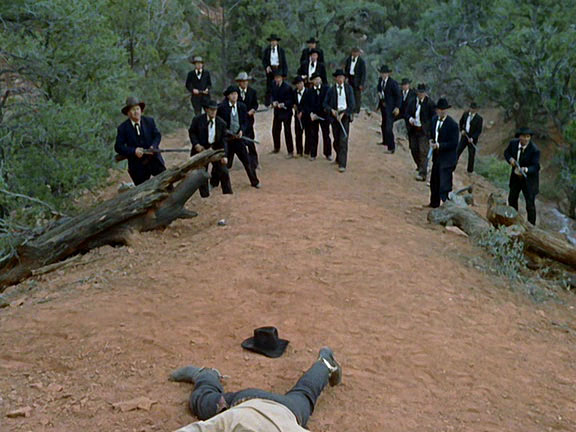
Commonly described as an “adult” Western, The Gunfighter (1950) differs from both the Freudian Pursued (1947) and the classical The Furies (1950). Though it comes close to equating screen time with real time, without any rhetorical emphasis (as High Noon brings with clocks), its method is historical revisionism, postulating a “real” West that tragically undermines the ones we accept in other Westerns. It plays an intricate double game with genre expectations, satisfying some demands and implicitly chiding us for certain others. Significantly, the film’s first and final images are almost identical but register as antithetical in moral significance. Read more
Jean-Luc Godard takes on the Bosnian war in this 1997 French-Swiss production, broken into four segments: “Theater,” “You Don?t Fool With Love in Sarajevo,” “A Film About In-Tranquillity,” and “For Ever Mozart.” No Godard film is devoid of interest, and all his work (with the arguable exception of some of his post-’68 efforts, like Un film commes les autres) is worth seeing, but this treatment of war as bad theater and the vicissitudes of the film business strikes me as being his least-inspired feature since the late 60s. Working with a cast of unknowns who are encouraged not to outshine one another, and staging bits of Bosnian warfare on property that belonged to his late grandparents in Switzerland, he makes his isolation and his distance from his contemporary subjects more of an issue this time. An erotically framed, beautifully lit female torso in a doorway, imitating a Bosnian corpse, points to where some of the problems lie. The unidiomatic title, by the way, is a somewhat forced bilingual pun that can also be read as “pour rever Mozart,” i.e., “to dream Mozart.”
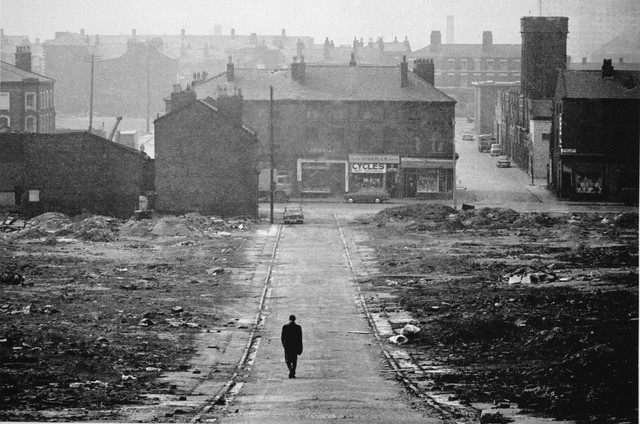
It seems incredible that Terence Davies, the greatest living English filmmaker, has made only five features in two decades. His first documentary, a multifaceted, mesmerizing, and eloquent essay about his native Liverpool, is as autobiographical and as intensely personal as his Distant Voices, Still Lives (1988) and The Long Day Closes (1992), so that his evolution as a lapsed Catholic and as a homosexual are as operative here as his working-class background and his taste in music and cinema. Being made up chiefly of found footage, this film lacks the mise en scene of its predecessors, but it has the added benefit of Davies’ voice-over narration, which, thanks to his training and experience as an actor, has an enormous performative power. (Check out the witty way he conveys his disdain for the Beatles through his delivery of one of their best-known refrains.) 72 min. (JR) Read more
From the Chicago Reader (November 27, 1998), and reprinted in my collection Essential Cinemaand on the BFI Blu-ray of the film. In his audiovisual essay on the latter release, Geoff Andrew rightly corrects my error, below, of describing the ax murder victim as Demy’s Lola, not von Sternberg’s Lola Lola. — J.R.
The Young Girls of Rochefort
Rating **** Masterpiece
Directed and written by Jacques Demy
With Catherine Deneuve, Françoise Dorléac, George Chakiris, Gene Kelly, Danielle Darrieux, Michel Piccoli, Grover Dale, Jacques Perrin, Geneviève Thénier, Henri Crémieux, and Jacques Riberolles.
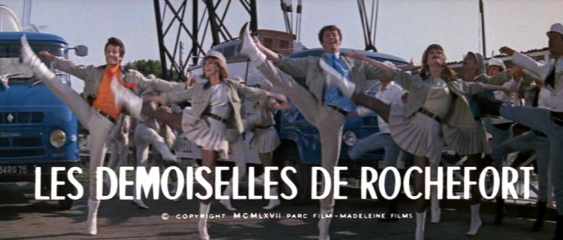
As eccentric as this may sound, Jacques Demy’s 1967 Les demoiselles de Rochefort is my favorite musical. Yet despite my 30-year addiction to the two-record sound track, the first time I was able to see the movie subtitled was a couple of weeks ago — helpful considering my faltering French. It’s certainly the odd musical out in terms of both its singularity and its North American reputation — a large-scale tribute to Hollywood musicals shot exclusively in Rochefort in southwest France, and an unabashedly romantic paean to American energy and optimism that’s quintessentially French. It has a score by Michel Legrand that’s easily his best, offering an almost continuous succession of songs with lyrics by Demy, all written in alexandrines (as is a climactic dinner scene that’s spoken rather than sung); choreography that ranges from mediocre (Norman Maen’s frenchified imitations of Jerome Robbins) to sublime (Gene Kelly’s choreography of his own numbers); and perhaps the most beautiful dovetailing of failed and achieved connections apart from Shakespeare and Jacques Tati’s Playtime, shot during the same period. Read more
From Framework (volume 45, number 1, Spring 2004). Because of its length, I’m running this in two parts. — J.R.
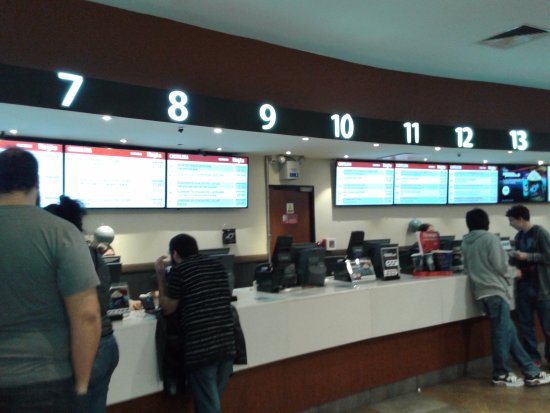
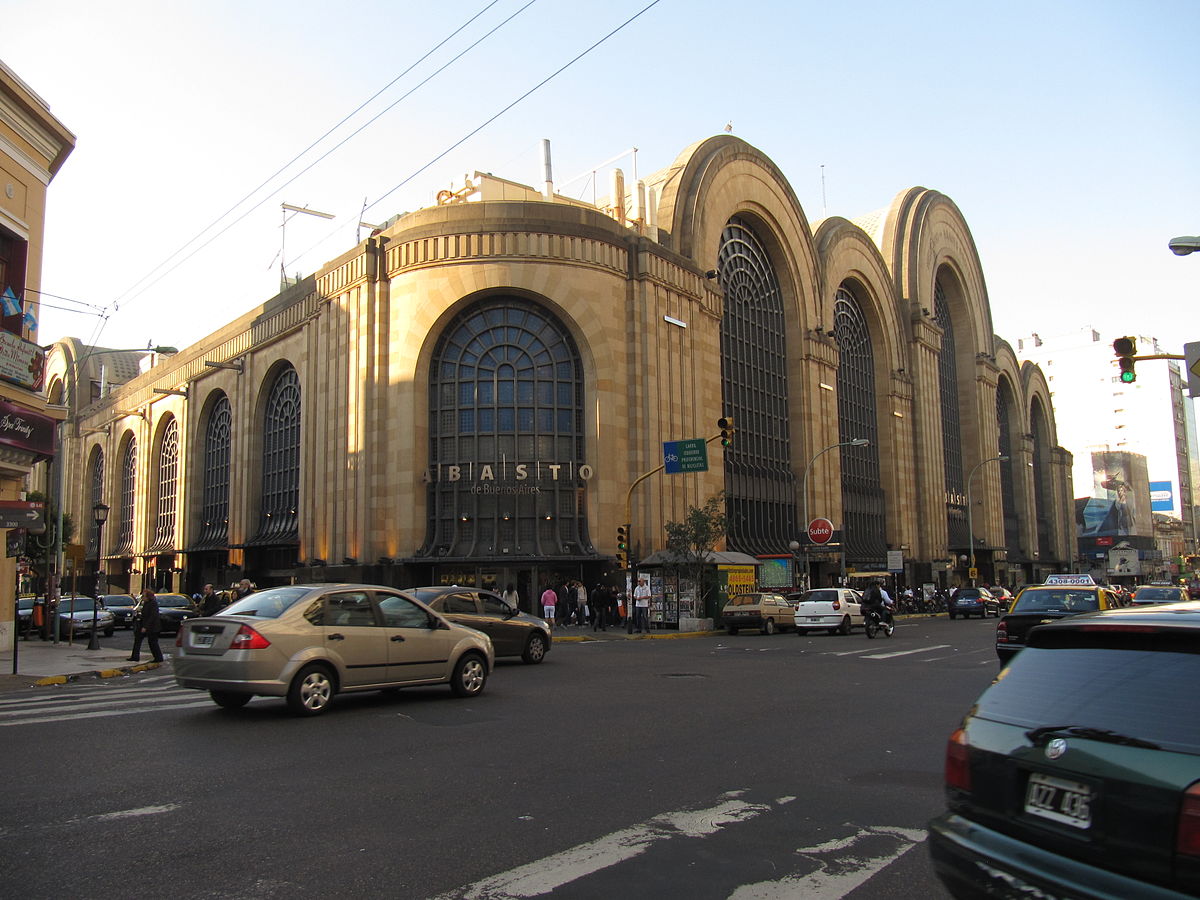
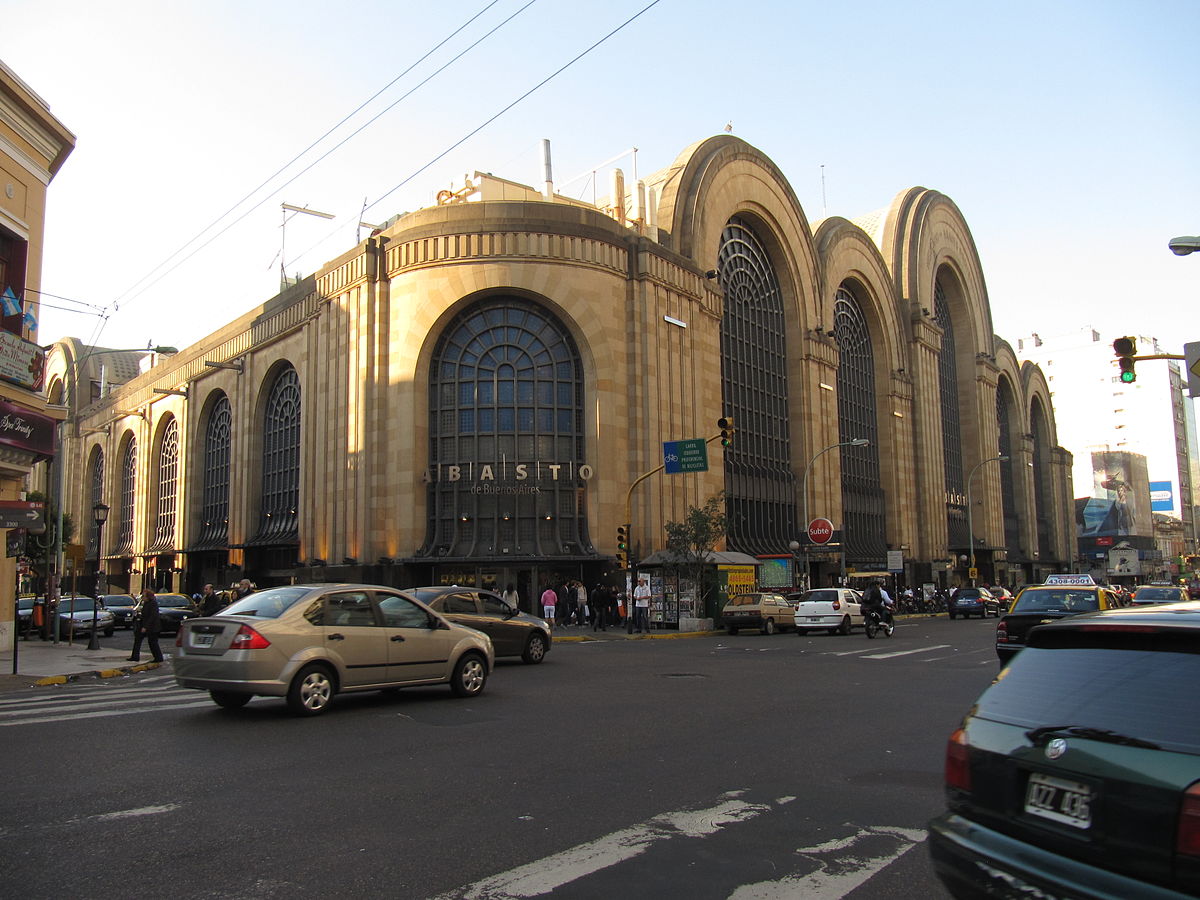
This interview took place in Buenos Aires, Argentina, April 20, 2002 — if memory serves, at the Abasto shopping mall, where the Buenos Aires Festival of Independent Film was then being held.
NK: How did you come to film criticism and film journalism? You start out in the States and have some years in Paris and then London and then back to the States.
JR: Like most other film critics of my generation I didn’t set out to be a film critic. I was a writer from very early on and my family was involved in the film business but my initial interest was in being a fiction writer. I wrote fiction in high school and in college and was hoping, very unrealistically, to have a career as a novelist.
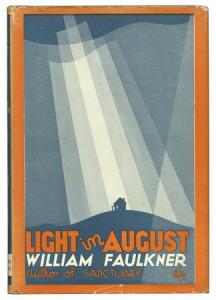
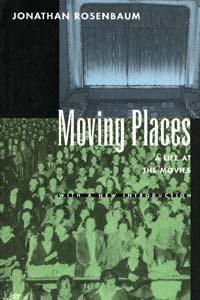
NK: The fiction writer aspect survives into the opening page of Moving Places where you riff on the opening of William Faulkner’s Light in August.
JR: My MA thesis was on Light in August. At the time I got fed up and quit graduate school I was working on a novel and somebody I knew from college offered me a job editing a collection of film criticism. Read more
It’s hard to say what Terence Davies’s powerful masterpiece is about — growing up in a working-class family in Liverpool in the 40s and 50s — without making it sound familiar and lugubrious. In fact, this beautiful memoir, conceivably one of the greatest of all English films, is so startling and original that we may not have the vocabulary to do it justice. Organized achronologically, so that events are perceived more in terms of emotional continuity than of narrative progression, the film concentrates on family events like weddings and funerals and on songs sung at parties and the local pub. It’s clear that Davies’s childhood, which was lorded over by a brutal and tyrannical father, was not an easy one, yet the delight shown and conveyed by the well-known songs makes the experience of this film cathartic and hopeful as well as sorrowful and tragic. (There are some wonderful laughs as well.) Much of the film emphasizes the bonds between the women in the family and their female friends, although there’s nothing doctrinal or polemical about its vision, and the purity and intensity of its emotional thrust are such that all the characters are treated with passion and understanding. Read more
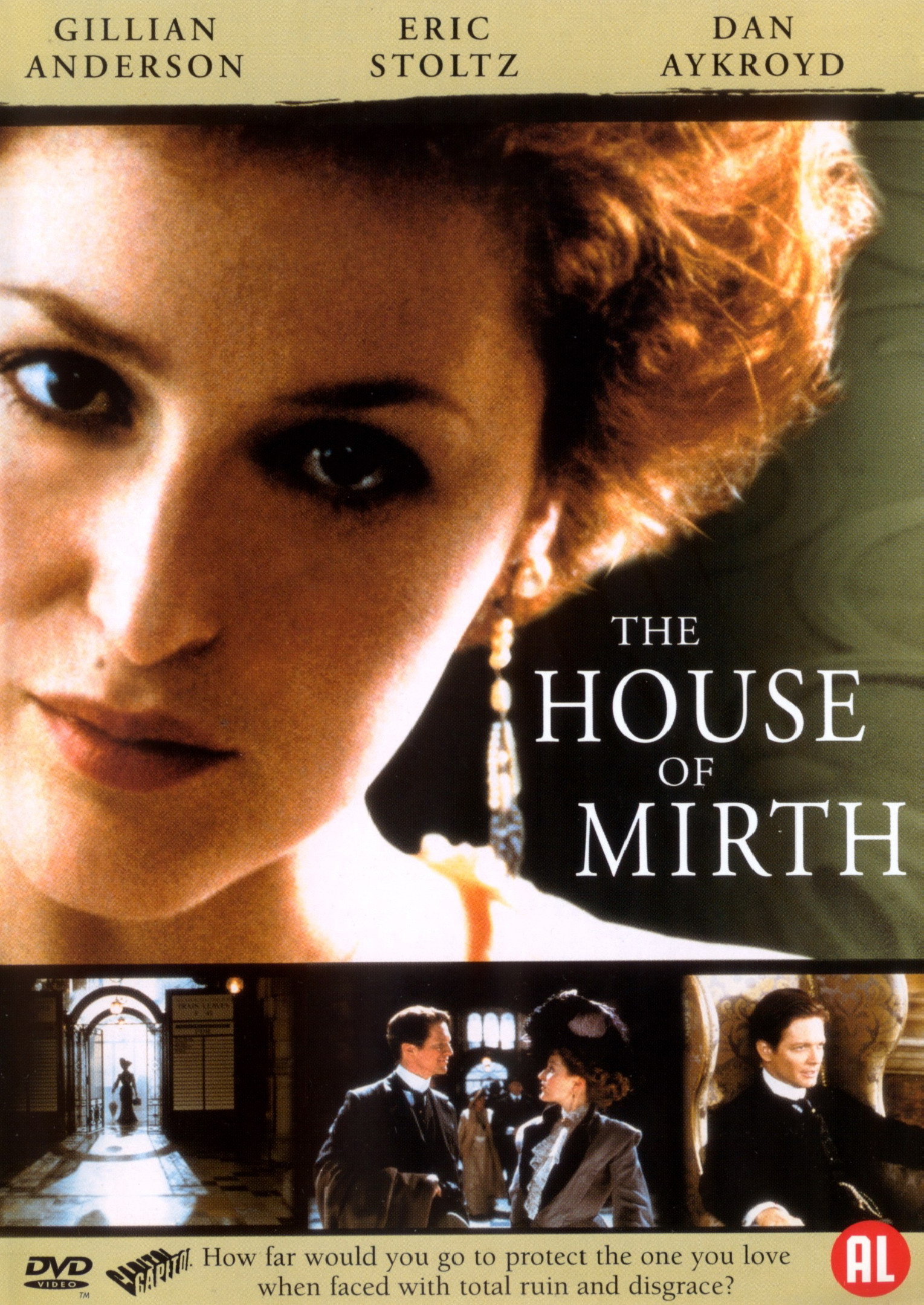
“If she slipped she recovered her footing, and it was only afterward that she was aware of having recovered it each time on a slightly lower level.” Edith Wharton’s encapsulation of the narrative form of her tragic (and sexy) 1905 novel, describing the progressive defeat of socialite Lily Bart by the ugly indifference of Wharton’s own leisure class, is given an extra touch of Catholic doom in Terence Davies’s passionate, scrupulous, and personal adaptation, which to a surprising degree preserves the moral complexity of most of the major characters. It’s regrettable if understandable that the Jewishness of social climber Sim Rosedale (Anthony LaPaglia) is no longer an issue, and Lawrence Selden, Lily’s confidante, is somewhat softened by a miscast Eric Stoltz, but the cast as a whole is astonishing — especially Gillian Anderson as Lily and Dan Aykroyd in his finest performance to date. Davies feels and understands the story thoroughly, giving it a raw emotional immediacy that would be unthinkable in the shopper-friendly adaptations of Merchant-Ivory and their imitators, and the film’s feeling for decor and costumes, derived from both John Singer Sargent paintings and Orson Welles’s The Magnificent Ambersons, is exquisite. Read more
From Framework (volume 45, number 1, Spring 2004). Because of its length, I’m running this in two parts. — J.R.
This interview took place in Buenos Aires, Argentina, April 20, 2002 — if memory serves, at the Abasto shopping mall, where the Buenos Aires Festival of Independent Film was then being held.
NK: In Movie Wars you are very critical of aspects of the U.S. movie business, and in an earlier autobiographical book, Moving Places, you explain that your family was involved in film exhibition. So when you make your criticisms of the way the movie business works now you do so from apposition of informed, long-term historical knowledge. What do you think the main, deleterious effects are?
JR: The thing that is important to make clear at the outset is that film exhibition is radically different from when I was growing up in the movie business. It could be argued by people currently working in the business that it’s very easy for me to make my criticisms because I’m not actually running the business the way they are. But on the other hand I don’t know if everything can or should be reduced to matters of business. And I think that’s part of the problem now, the belief that it’s totally a business and shouldn’t be anything else. Read more
From the Chicago Reader, February 25, 2000. This essay is also reprinted in my collection Essential Cinema. — J.R.
Rear Window
Rating **** Masterpiece
Directed by Alfred Hitchcock
Written by John Michael Hayes
With James Stewart, Grace Kelly, Thelma Ritter, Raymond Burr, Wendell Corey, Judith Evelyn, Ross Bagdasarian, Georgine Darcy, and Irene Winston.
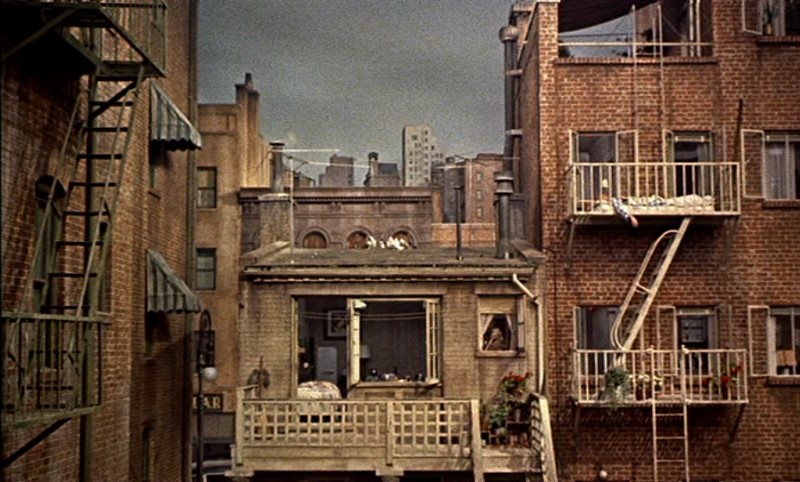
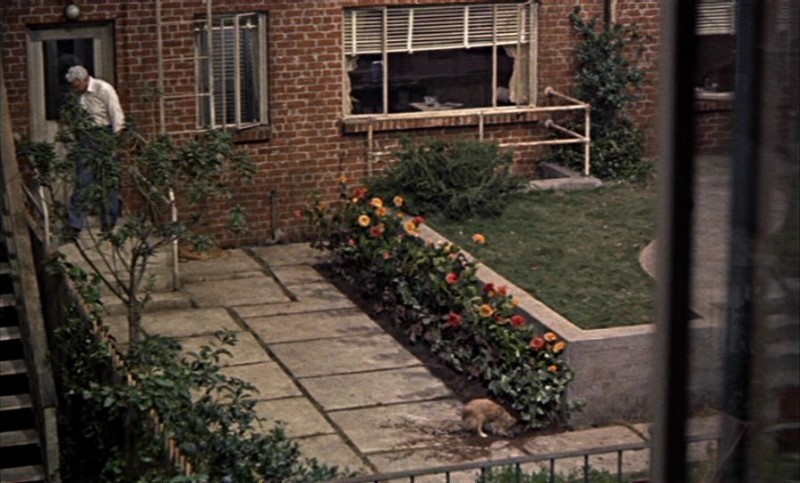
Alfred Hitchcock’s greatest movie, Rear Window, is as fresh as it was when it came out, in part, paradoxically, because of how profoundly it belongs to its own period. It’s set in Greenwich Village during a sweltering summer of open windows, and it reeks of 1954. (A restored version, by Robert A. Harris, opens this week at the Music Box, and it’s so beautiful and precise it almost makes up for his botch of Hitchcock’s Vertigo a few years back.)
Peter Bogdanovich notes in Who the Devil Made It that Hitchcock “didn’t use a score” in the movie, “only source music and local sounds,” which isn’t exactly true. In fact, we get quite traditional theme music from Franz Waxman behind the opening credits, and, more important, the film subtly integrates hit tunes of the mid-50s into the ambient sound track, most noticeably “Mona Lisa” and “That’s Amore,” which was introduced the previous year by Dean Martin in another Paramount picture, The Caddy. Read more
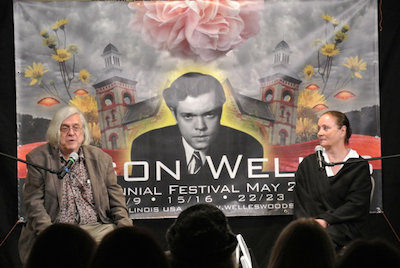
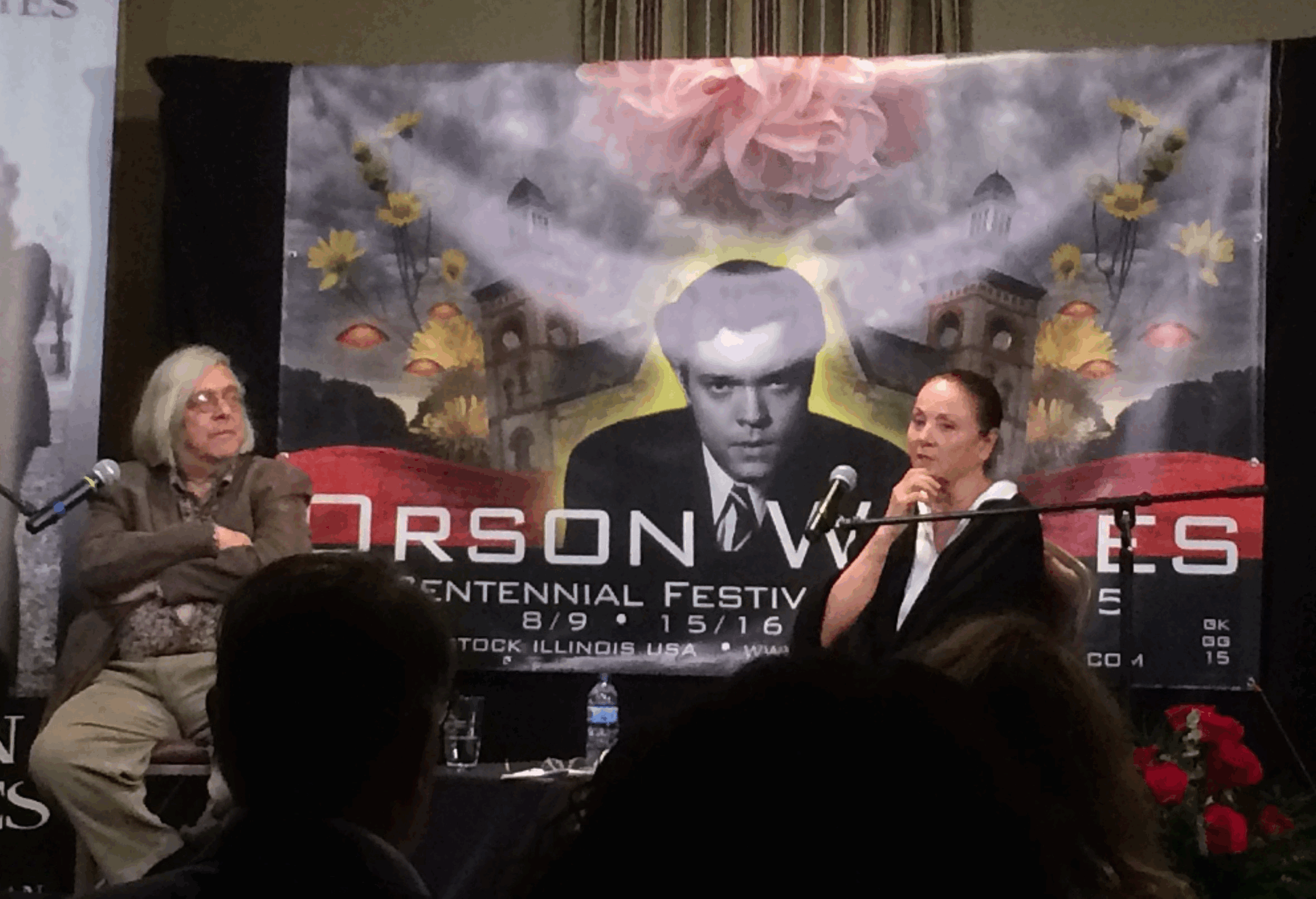
I was privileged to conduct a lengthy public interview with Oja Kodar Saturday night, May 9, 2015, in Woodstock, Illinois, as the main event in a weekend devoted to Orson Welles — the first of three successive celebratory Welles weekends to be held there this month. Oja, as always, was passionate, candid, funny, lucid, informative, and perceptive about Welles, but I’ve never seen her in public speak with so much warmth and insight. The whole event was recorded, and I hope everyone will get a chance to watch it at some point. — J.R. [5/11/15]
Two weeks later, after returning from a second very enjoyable weekend of Welles events in Woodstock, I’ve added a few more photos of the May 9 event, including two taken by Peter Gill shortly beforehand which show Oja with her great niece Biljana and her sister Nina as well as me. — J.R. [5/24/15]
Written for Sight and Sound, November 2015. — J.R.
I hope I can be forgiven for quoting myself in my first collection, Placing Movies: The Practice of Film Criticism (1993): “As I’ve discovered in my own endeavours in editing the prose of Truffaut, Welles and Bogdanovich, the best editing is usually the kind the reader is least aware of, though the supreme masters of this game – who within my experience are probably Penelope Houston and Michael Lenehan – sometimes manage to minimise the awareness of the writer as well.” Lenehan was the main editor for several years at the Chicago Reader, and Penelope’s stint at Sight and Sound was considerably longer. Over two decades later, I can add without hesitation that no editor that I’ve ever worked with has known more and taught me more about the mechanics of prose than Penelope.
But I hasten to add that my indebtedness to her goes far beyond her superb gifts as an editor. I might even say that it was her taste, above all, that drew me to her magazine in the first place, and her determination to acquire an English work permit for me – a process that I recall took the better part of half a year – that enabled me to move to London from Paris in 1974, to serve as assistant editor at Monthly Film Bulletin (under Richard Combs, a supportive boss and fine editor in his own right) and staff writer for Sight and Sound, my first major job anywhere. Read more
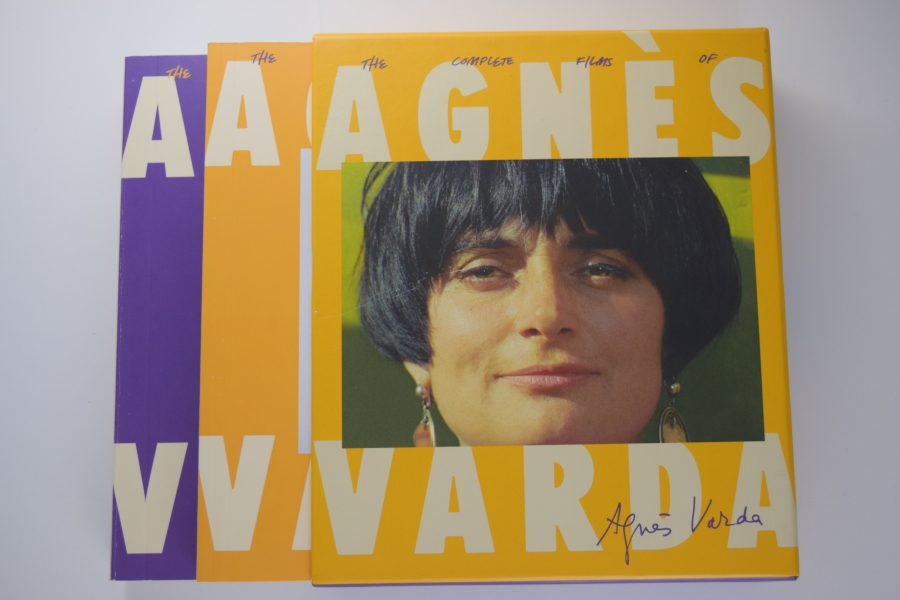
The Complete Films of Agnes Varda (Criterion, Blu-Ray)
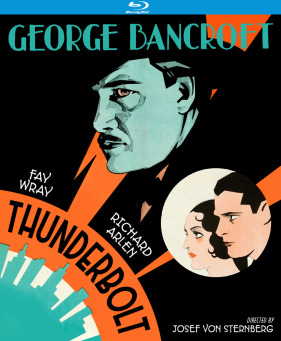
Thunderbolt (Kino Lorber, DVD & Blu-Ray)
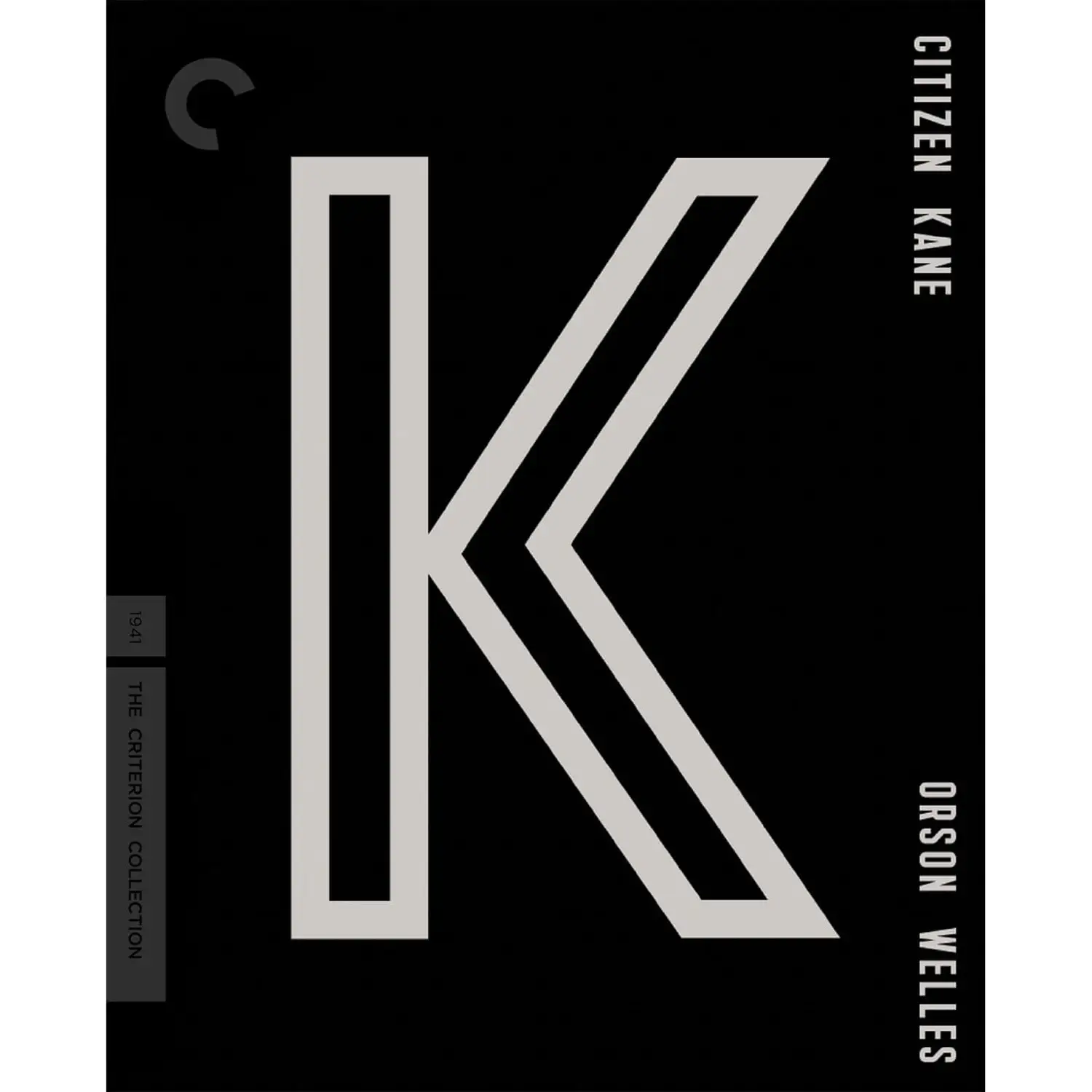
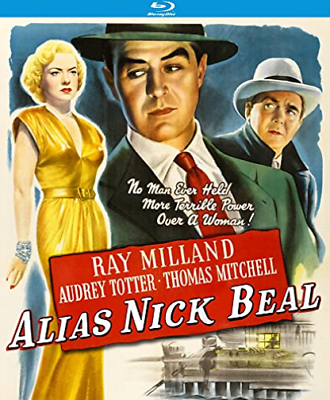
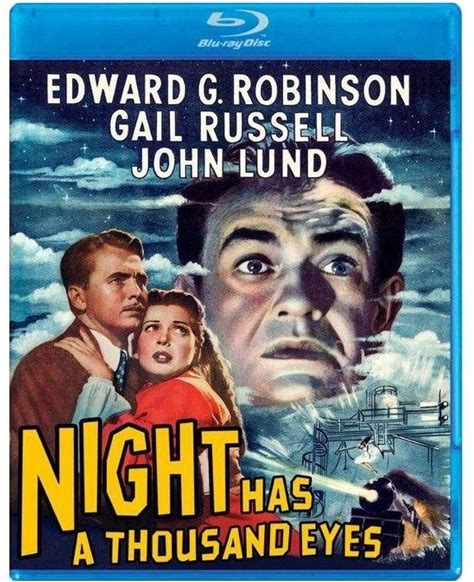
I contributed half an audiocommentary (with James Naremore) to Citizen Kane that I haven’t yet heard (Sight and Sound’s deadline precedes its release by two weeks), but I’ve already been able to see and hear The Complete ‘Citizen Kane’ (1991)–a BBC documentary included in the package–that alone warrants my inclusion of this release here, ‘conflict of interest’ be damned. I’m also very much looking forward to hearing the audiocommentaries on Alias Nick Beal and Night Has a Thousand Eyes (both from Kino Lorber),by Eddie Muller and Imogen Sara Smith, respectively.
From the Chicago Reader (September 8, 1995). — J.R.
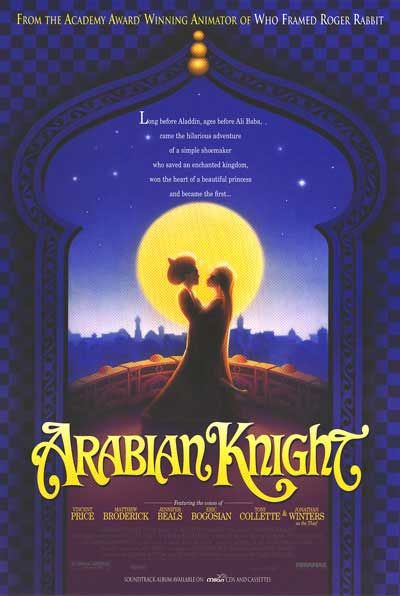
Arabian Knight
Rating *** A must see
Directed by Richard Williams
Written by Williams and Margaret French
With the voices of Vincent Price, Matthew Broderick, Jennifer Beals, Eric Bogosian, Toni Collette, and Jonathan Winters
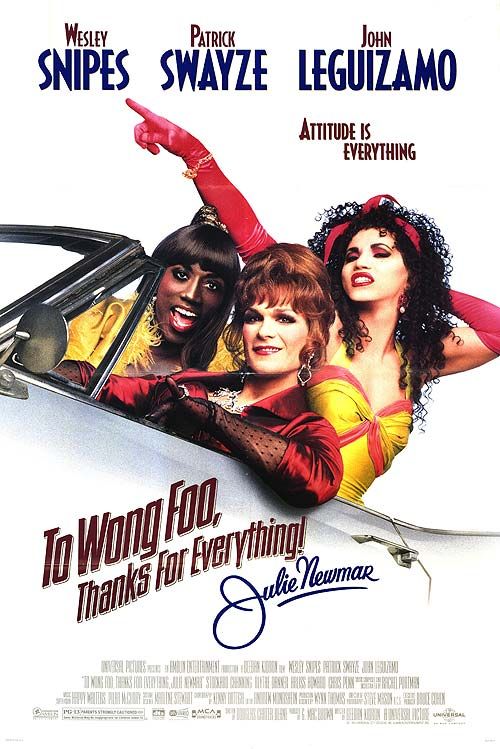
To Wong Foo, Thanks for Everything! Julie Newmar
No stars (Worthless)
Directed by Beeban Kidron
Written by Douglas Carter Beane
With Wesley Snipes, Patrick Swayze, John Leguizamo, Stockard Channing, Blythe Danner, Arliss Howard, Jason London, and Chris Penn.
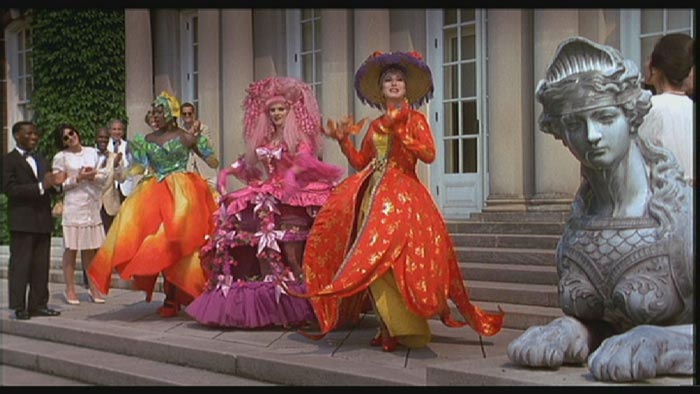
It might be argued that a talent for abstract thought defines the radically different achievements of Arabian Knight and To Wong Foo, Thanks for Everything! Julie Newmar. In Arabian Knight–a wildly imaginative and somewhat delirious animated feature that’s reportedly been in the works for over a quarter century — it’s a talent for graphic abstraction, a talent that is its own reward; this movie takes the highly dangerous step of pursuing formal beauty above all else, story and characters be damned. By contrast, in To Wong Foo — a terribly written, terribly directed, terribly designed, and for the most part terribly acted (if nobly intentioned) comedy –i t’s a talent for pure concept: three drag queens driving from New York to Hollywood enlighten bigoted middle Americans on the subjects of style and beauty. Read more
If you have to pay for reading this, it’s worth it. Curing what ails us always begins with facing it squarely, and both Ana Marie Cox and Naomi Klein provide excellent and positive advice about how and where to start. [10/1/2023]
Written for the Abril 2012 issue of Caimán Cuadernos de Cine. — J.R.
Nick was a gambler — a gambler who often lost.
— Susan Ray in Don’t Expect Too Much
One of the paradoxes of Nicholas Ray’s legend is that in order for it to function, he can’t be regarded simply as either a Hollywood director or as a struggling maverick, but as both. Seen exclusively as the former, he becomes the faceless but coherent and competent metteur en scene of A Woman’s Secret (1949) or Flying Leathernecks (1951). Seen exclusively as the latter, he becomes the personal but incoherent auteur of We Can’t Go Home Again (1973).
A similar problem has informed the career of Ray’s most important disciple, Jean-Luc Godard, another tormented romantic widely regarded as a leftist visionary when he made La chinoise and Week End in 1967, when his work was still sufficiently close to commercial cinema to reflect some of its slickness and glamour. But following May 1968, once he deliberately divested himself of that slickness and glamour and his films had to be judged on their political insights and their political utility alone, he was no less appropriately regarded as misguided and obtuse. Read more