From the Chicago Reader (March 1, 1992). — J.R.
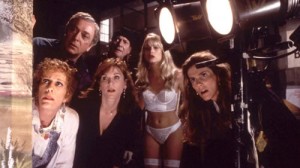
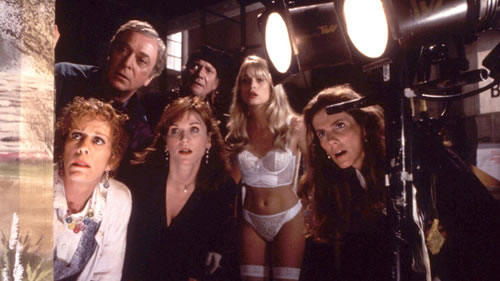
Peter Bogdanovich directs Marty Kaplan’s adaptation of Michael Frayn’s highly successful stage farce about a director (Michael Caine) and a cast of hapless actors trying to whip a sex farce into shape. The transition from stage to screen may be bumpy in spots, but this movie is much funnier than Bogdanovich’s What’s Up, Doc?, and the long-take shooting style is executed with fluidity and precision. The basic idea is to hurtle us through three increasingly disastrous tryouts of the same first act, which might be loosely termed Desperate Dress Rehearsal in Des Moines, Actors in Personal Disarray Backstage in Miami Beach, and Props in Revolt in Cleveland; the fleetness of this raucous theme-and-variations form makes it easy to slide past the confusion of all the onstage and offstage intrigues. I can’t comment on the changes undergone by Frayn’s material, except to note that I find it hard to buy the closing artificial uplift, which seems to have been papered over the original’s very English sense of pathos and defeat. Ironically, after the warm and dense ensemble work of Texasville, Bogdanovich reverts here to the cold-blooded mechanics of choreographing one-trait characters, though the chilly class biases of his early urban comedies once again give way to something more egalitarian and balanced. Read more
From the Chicago Reader (September 1, 1990). — J.R.
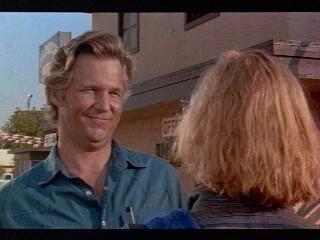
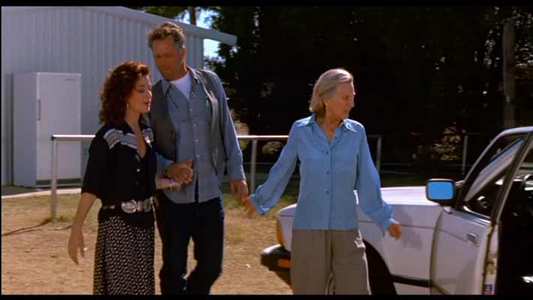
One of the most surprising things about Peter Bogdanovich’s bittersweet, touching comedy sequel to The Last Picture Show (1971) — based, like its predecessor, on a Larry McMurtry novel — is that, far from being a trip down memory lane, it’s largely structured around historical amnesia. The hero walks with a limp and has grown estranged from his wife, and his former girlfriend has lost her husband and son, though the reasons and circumstances behind these and other essential facts go unmentioned: they’re buried somewhere in the forgotten past. The people we last saw in the small town of Anarene, Texas, are now 30 years older, and the only one mired in the past is Sonny (Timothy Bottoms), the town’s mayor, a self-confessed failure and something of a lunatic. His best friend Duane (Jeff Bridges), whose point of view shapes the action — he’s an adulterer who hasn’t slept with his wife Karla (Annie Potts) for some time, and whose main sexual competitor is his own son (William McNamara) — has struck it rich in oil and subsequently run himself millions of dollars into debt while Karla continues to buy condos for their children. Read more
From the Chicago Reader (July 17, 1992). — J.R.
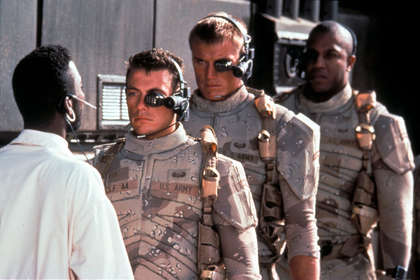
UNIVERSAL SOLDIER
** (Worth seeing)
Directed by Roland Emmerich
Written by Richard Rothstein, Christopher Leitch, and Dean Devlin
With Jean-Claude Van Damme, Dolph Lundgren, Ally Walker, Ed O’Ross, Jerry Orbach, Leon Rippy, Tico Wells, and Ralph Moeller.
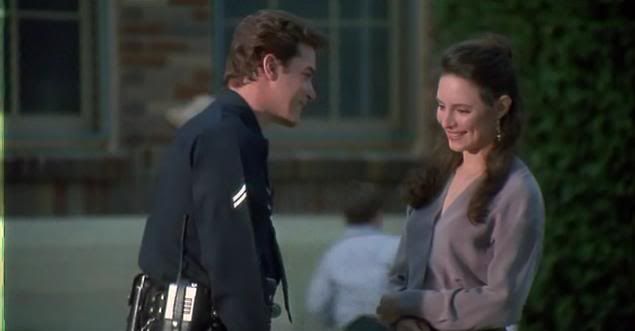
UNLAWFUL ENTRY
** (Worth seeing)
Directed by Jonathan Kaplan
Written by Lewis Colick, George D. Putnam, and John Katchmer
With Kurt Russell, Ray Liotta, Madeleine Stowe, Roger E. Mosley, Ken Lerner, Deborah Offner, Carmen Argenziano, and Andy Romano.
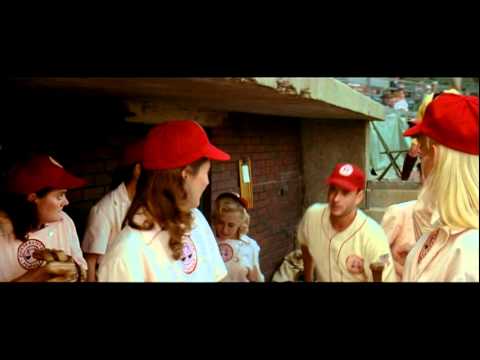
A LEAGUE OF THEIR OWN
** (Worth seeing)
Directed by Penny Marshall
Written by Lowell Ganz and Babaloo Mandel
With Geena Davis, Madonna, Lori Petty, Tom Hanks, Jon Lovitz, David Strathairn, Garry Marshall, Megan Cavanagh, and Rosie O’Donnell.
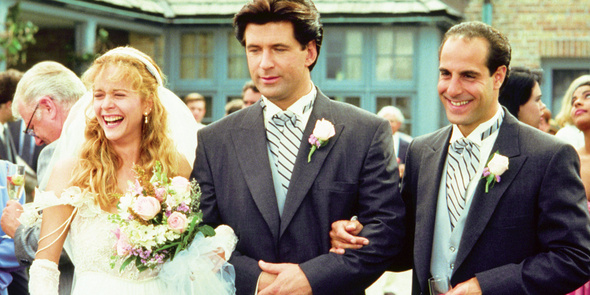
PRELUDE TO A KISS
** (Worth seeing)
Directed by Norman Rene
Written by Craig Lucas
With Alec Baldwin, Meg Ryan, Sydney Walker, Ned Beatty, Patty Duke, Kathy Bates, and Richard Riehle.
Out of all the genres represented by this summer’s crop of movies, there are at least three that haven’t yet been officially recognized. There are sequels like Lethal Weapon 3 and Batman Returns whose true genres are not so much old-fashioned categories like police thriller and fantasy adventure as “this summer’s Lethal Weapon movie” and “this summer’s Batman movie.” Read more
From the Chicago Reader (November 1, 1989). — J.R.
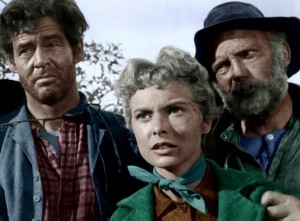
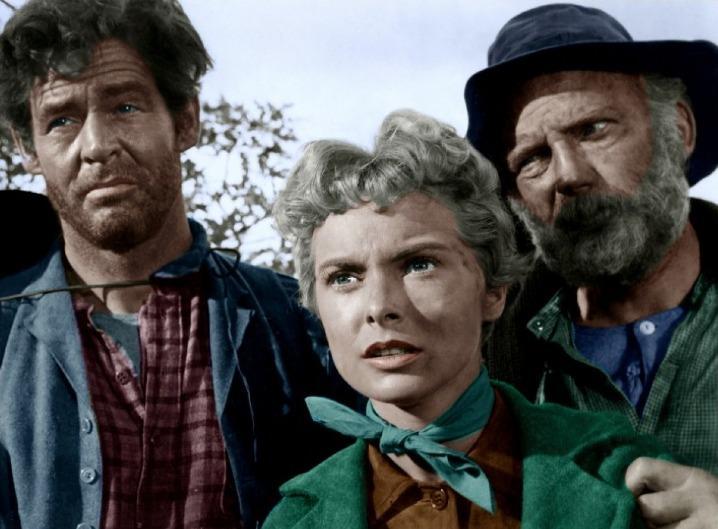
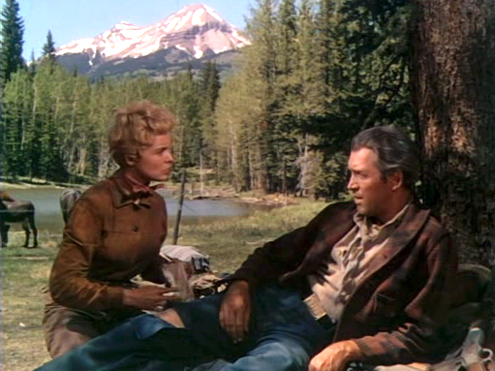
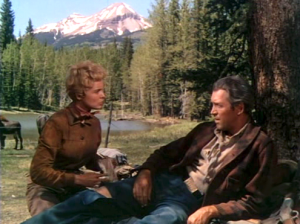
An uncharacteristically nasty James Stewart plays an obsessive bounty hunter with Robert Ryan in tow in one of the very best Anthony Mann westerns — which means one of the very best westerns, period. This 1953 film has Janet Leigh in jeans, beautiful location shooting (and Technicolor cinematography) in the Rockies, and some of the most intense psychological warfare to be found in Mann’s angular and anguished oeuvre. With Ralph Meeker, Millard Mitchell, and a top-notch script by Sam Rolfe and Harold Jack Bloom. 91 min. (JR)
 Read more