From the Chicago Reader (December 1, 1989). — J.R.
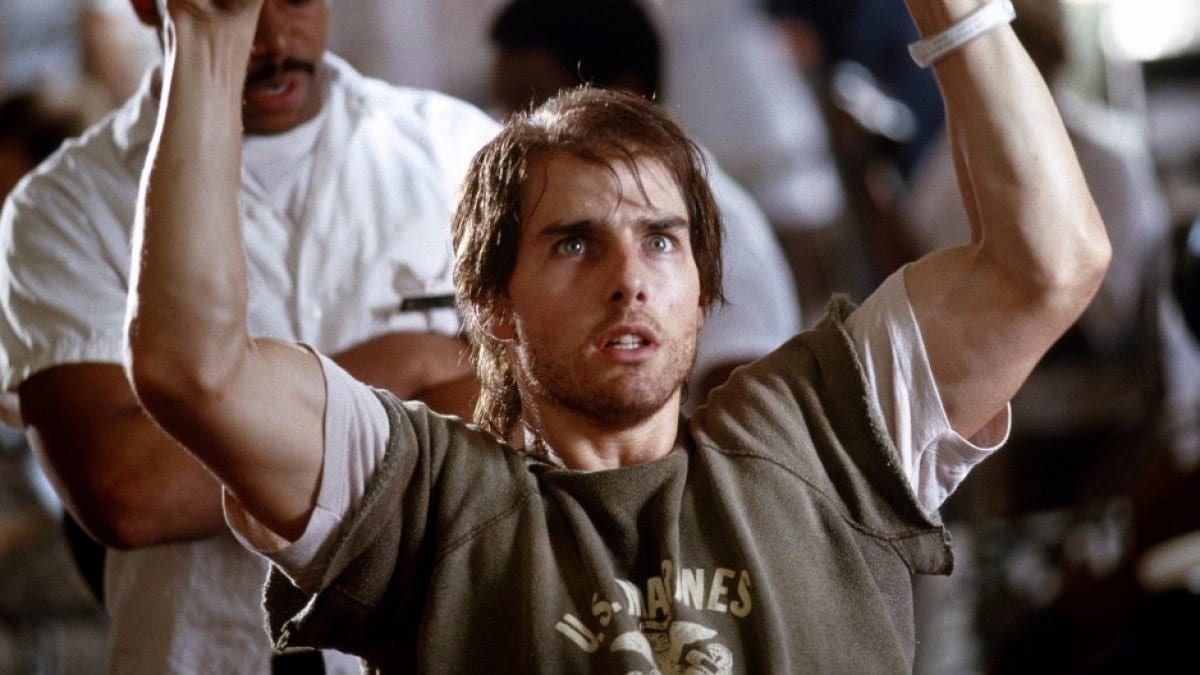
Ron Kovic’s autobiography, which recounts his conversion from patriotic enlisted marine to crippled demonstrator against the Vietnam war, isn’t a very literary book, although it uses some very literary devices (frequent time leaps, switches between first and third person) to approach the intensity of the traumas it deals with. Oliver Stone’s well-intentioned but faltering 1989 adaptation, scripted by Stone in collaboration with Kovic and starring Tom Cruise, eschews this approach for an episodic linear plot that doesn’t allow us to see Kovic’s conversion develop with any complexity. (As he showed in Platoon, Stone knows a lot about fighting in Vietnam, but he knows much less about being an antiwar activist, which is equally important to Kovic’s story; the movie’s demonstrations tend to be as blurry and as cliched as its nostalgic evocations of the American dream.) Stone’s unfortunate penchant for psychologizing leads to a number of murky suggestions here, such as the notion that Kovic’s warmongering instincts were somehow tied to the refusal of his mother (Caroline Kava) to let him read Playboy. Worst of all, the movie’s conventional showbiz finale, brimming with false uplift, implies that the traumas of other mutilated and disillusioned Vietnam veterans can easily be overcome if they write books and turn themselves into celebrities. Read more