1) Has Internet criticism made a significant contribution to film culture? Does it tend to supplement print criticism or can it actually carve out critical terrain that is distinctive from traditional print criticism? Which Internet critics and bloggers do you read on a regular basis?
1) a. Significant and profound. Because the changes it has wrought are ongoing and unfolding, it’s still hard to have a comprehensive fix on them.
1) b. It can and does do both. By broadening the playing field in terms of players, methodologies, audiences, social formations, and outlets, it certainly expands the options. The interactivity of almost immediate feedback, the strengths and limitations of being able to post almost as quickly as one can think (or type), the relative ease of making screen grabs — these and many other aspects of Internet discourse are bringing about changes in content as well as in style and form, shape and size.
1) c. Here’s just a sample: To varying degrees (some much more regularly than others), I like to read Acquarello, David Bordwell, Zach Campbell, Fred Camper, Roger Ebert, Flavia de la Fuente, Filipe Furtado, Michael E.Read more
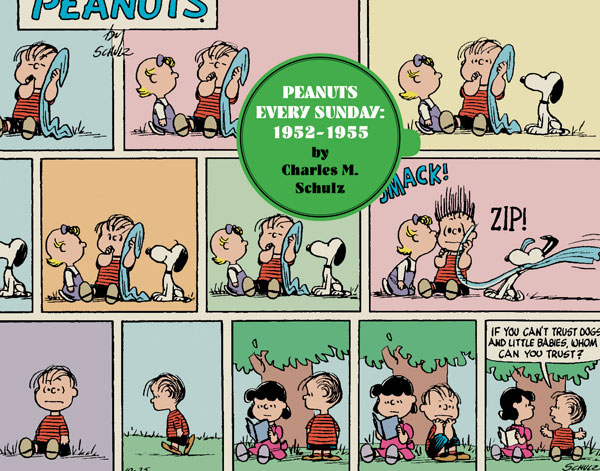
Gary Groth of Fantagraphics Books commissioned me to write this Introduction to the first volume of Charles Schulz’s Sunday color strips of Peanuts, covering the early 1950s, which was published in November 2013. — J.R.
“…I’ve made a lot of mistakes down through the years doing things I
never should have done. But fortunately, in a comic strip, yesterday
doesn’t mean anything. The only thing that matters is today and tomorrow.”
— Charles Schultz to Gary Groth (“At 3 O’clock in the Morning,” Comics Journal #200, December 1997)
It was one thing to read Sunday color Peanuts comic strips from 1952 to 1955 at the rate of one per week, when they came out — and not only because they would have wound up in the trash like the rest of the Sunday paper, long before my brothers and I went to sleep that night. And it’s quite another thing to read them all today, piled together in the present volume, one after the other, seven or eight panels at a time, as if they’re the successive chapters of an ongoing serial — or maybe just the latest portions of an endless white picket fence that stretches towards some version of infinity or eternity (or at least roughly half a century of dependable continuity, in any case). Read more
This piece had a somewhat tortured history. Commissioned but rejected by Artforum (for reasons that were never explained) circa 1982, it first appeared in a special issue of New Observations (#36, 1983) edited by the late Gilberto Perez, entitled “Horses, Hegel and Film,” where by necessity the illustrations were relatively sparse. In its present form, it first appeared in the 12th issue of the online journal Rouge in 2008. Two excerpts from it are reprinted in a superb recent collection, Manny Farber: Paintings and Writings, that I’m proud to be part of. — J.R.
1. Manny Farber, Negative Space (New York: Da Capo, 1998), p. 361.
‘The brutal fact is that they’re exactly the same thing’, Manny Farber replied in 1977 to an interviewer inquiring about the relationship between his dual activities as a painter and film critic. (1) The remark points to a two-part obsession that by now has persisted for more than four decades. A master at perceiving the delicate nuances of brutal facts, Farber has always had an uncanny knack for hitting on truths in a language of wisecracking braggadocio that eliminates any possibility of a dispassionate or precise scientific observation. With his feet firmly planted in the anonymous turf of an underground termite (to conflate two of his favourite terms), Farber paradoxically aims at a notion of bull’s-eye that can exist only in a marketplace context where objects and ideas compete for our attention.
For those of you who might be wondering what has become lately of film critic Donald Phelps — the most gifted and exacting of Manny Farber’s disciples, especially when it comes to low-key acting and pictorial nuance — you should proceed at once to the web site of Comics Journal, where he’s been flourishing in his recent commentaries on movies, prose fiction (ranging from the science fiction of Henry Kuttner and Theodore Sturgeon to the mysteries of Fredric Brown to Calder Willingham’s first novel), and comic strips. I’m especially impressed by parts one and two of his majestic “Like a Mechanical Bird: The Peculiar Stoicism of David Wayne,” posted earlier this month — a detailed and rather astonishing appreciation of one of the most overlooked of Hollywood and TV actors, whose special qualities seemed to flourish in such relatively unsung and/or out-of-reach works as Joseph Losey’s remake of M (1951), a couple of black and white sketch films at Fox in 1952 (O. Henry’s Full House and We’re Not Married, where he costars respectively with Charles Laughton and Marilyn Monroe), Henry King’s Wait Till the Sun Shines, Nellie (1952), which inspires some of Phelps’ best prose, and Down Among the Sheltering Palms (“an amiable bargain-counter South Pacific,” 1953).Read more
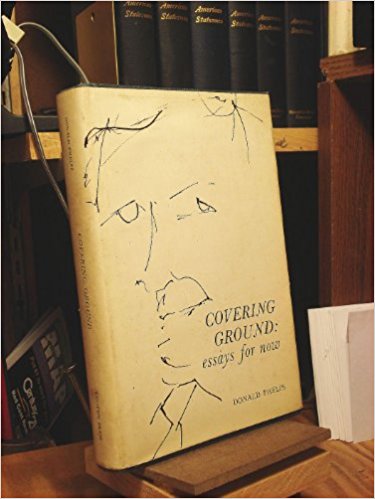
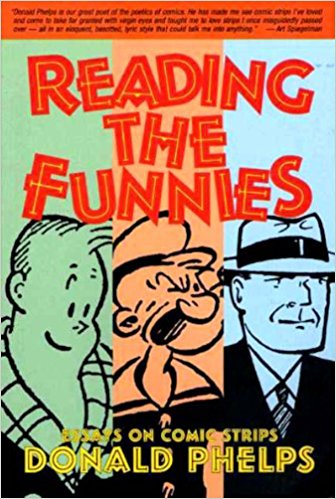
In some ways, the saddest deaths are those we only hear about accidentally. For me, Donald Phelps was one of the very greatest of American critics — not just literary critic and film critic, but comics critic as well — even though only two collections devoted solely to his written work exist (see above). I would love to imagine that many more will follow, because it’s clear that anyone who tracks down obscure journals, including his own (ForNow), looking for Phelps’ insightful and highly original prose, will discover an unending bounty. But it seems like he never had much money, and even before the advent of Trump, Phelps appears to have lived his entire life in the shadows.
I learned of his death by ordering another collection — Sparring with Gil Kane: Debating the History and Aesthetics of Comics — from Fantagraphics Books, chiefly because it boasted having a dialogue with Phelps, and it was only upon reading editor Gary Groth’s introduction that the demise I’d already suspected was confirmed. But at least Donald survived until his mid-80s. Several years earlier, after the stupidity and intolerance of a new Film Comment editor had summarily turned him from an invaluable regular contributor into a non-contributor, I had started to communicate with Donald by letters and by phone as a way of funneling his genius into the precincts of an Australian online film journal named Rouge that managed to publish half a dozen texts of his over its 13 precious issues. Read more
Despite (or is it because of?) the disorderly quirks of commerce, ideology, and opportunity, we all occupy disparate time frames, so I’ve unapologetically cited, in alphabetical order, five imperishable films that I happened to encounter for the first time in 2015, all of them in digital editions worthy of their achievements.
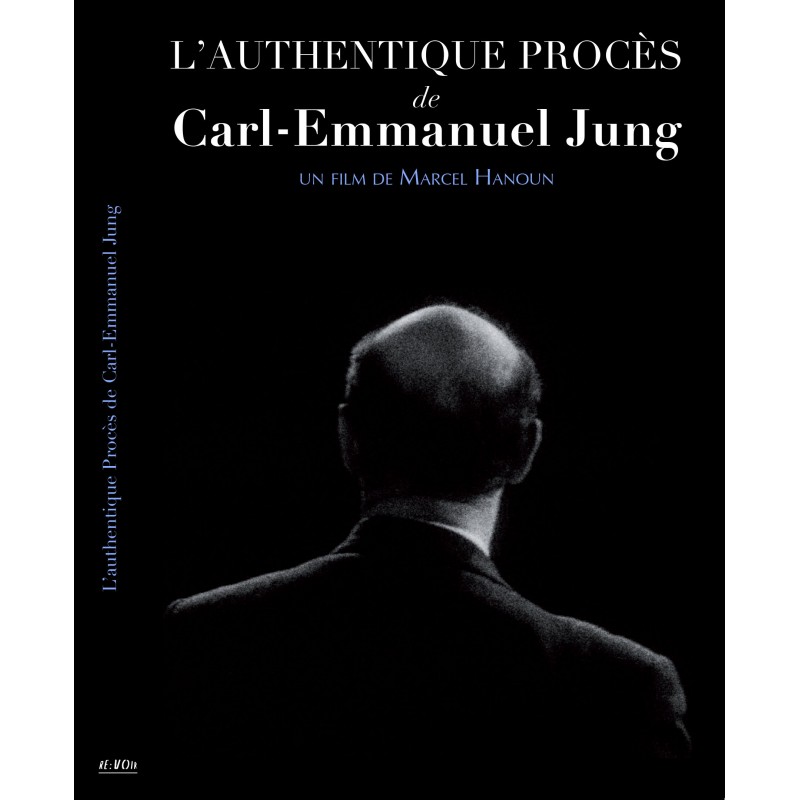
Dwoskin’s last film – a satisfying conclusion to a remarkable career – comes from the same label that afforded me my first look at Marcel Hanoun’s remarkable 1966 L’authentique procés de Carl-Emmanuel Jung with English subtitles.
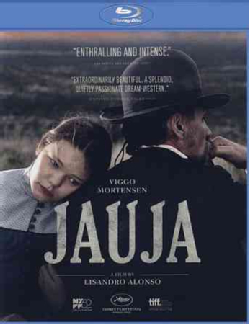
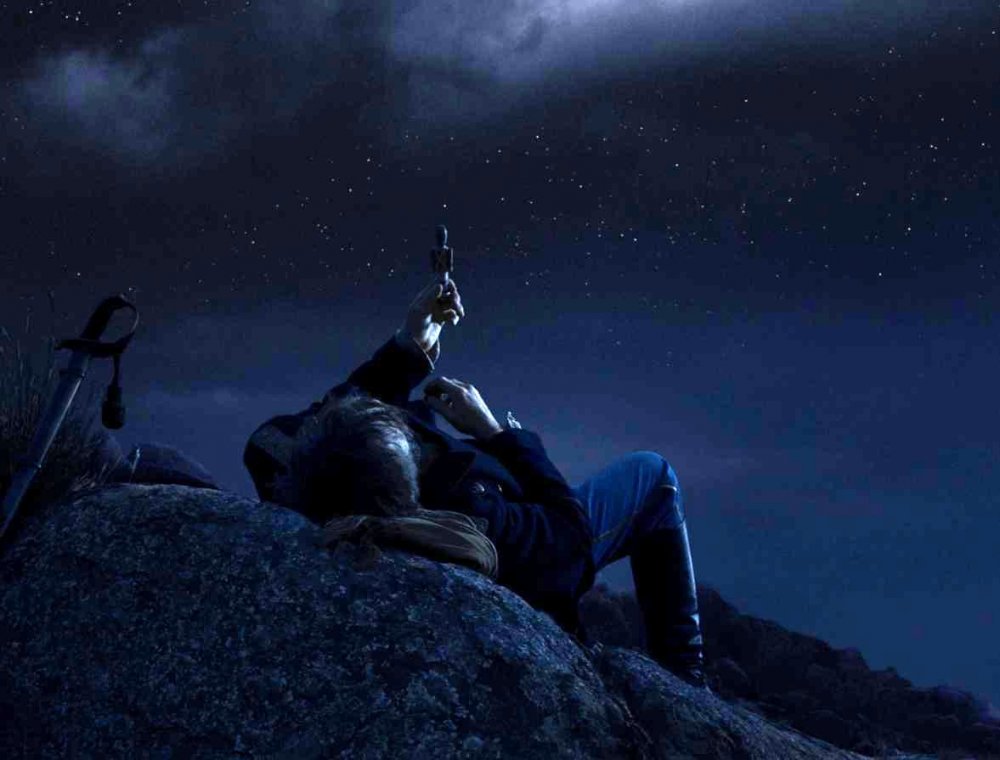
Army is a wartime propaganda feature subverted into a pacifist lament, Jauja a haunting medieval western (or southern) time-bent into a luscious advance in Alonso’s art.
Letter from Siberia, even without the benefit of the French version promised on its jacket, is a delightful early essay film showing its author’s wit, literary gifts, and photojournalistic richness in optimal form, enhanced by a superb Roger Tailleur essay.
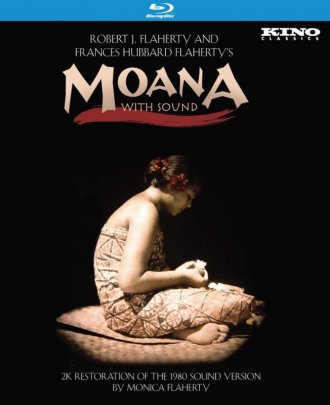
And Moana with sound is a seemingly unpromising but beautifully realized re-edition and further enrichment of the Flahertys’ early masterpiece, launched by their daughter Monica and restored by their great-grandson Sami van Ingen and Bruce Posner. Read more
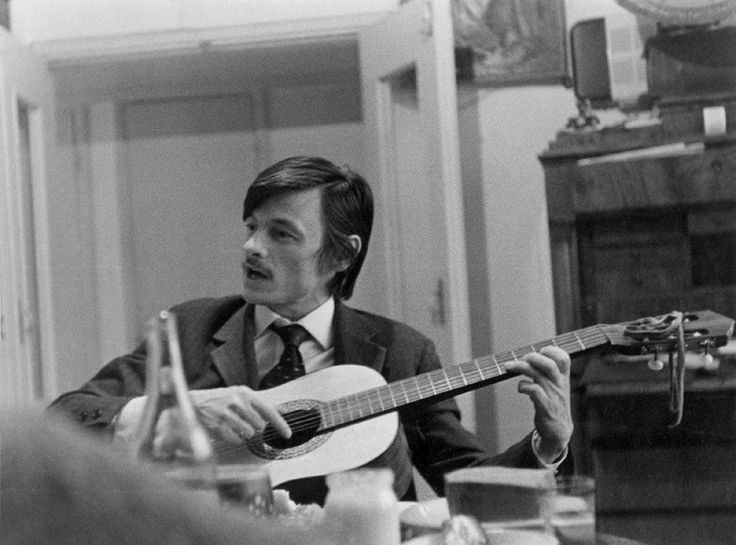
1. Are Tarkovsky’s movies still new (by “NEW” I mean do you find new things in recent viewing of the films or surprised by them)? Can viewers/filmmakers still learn from them?
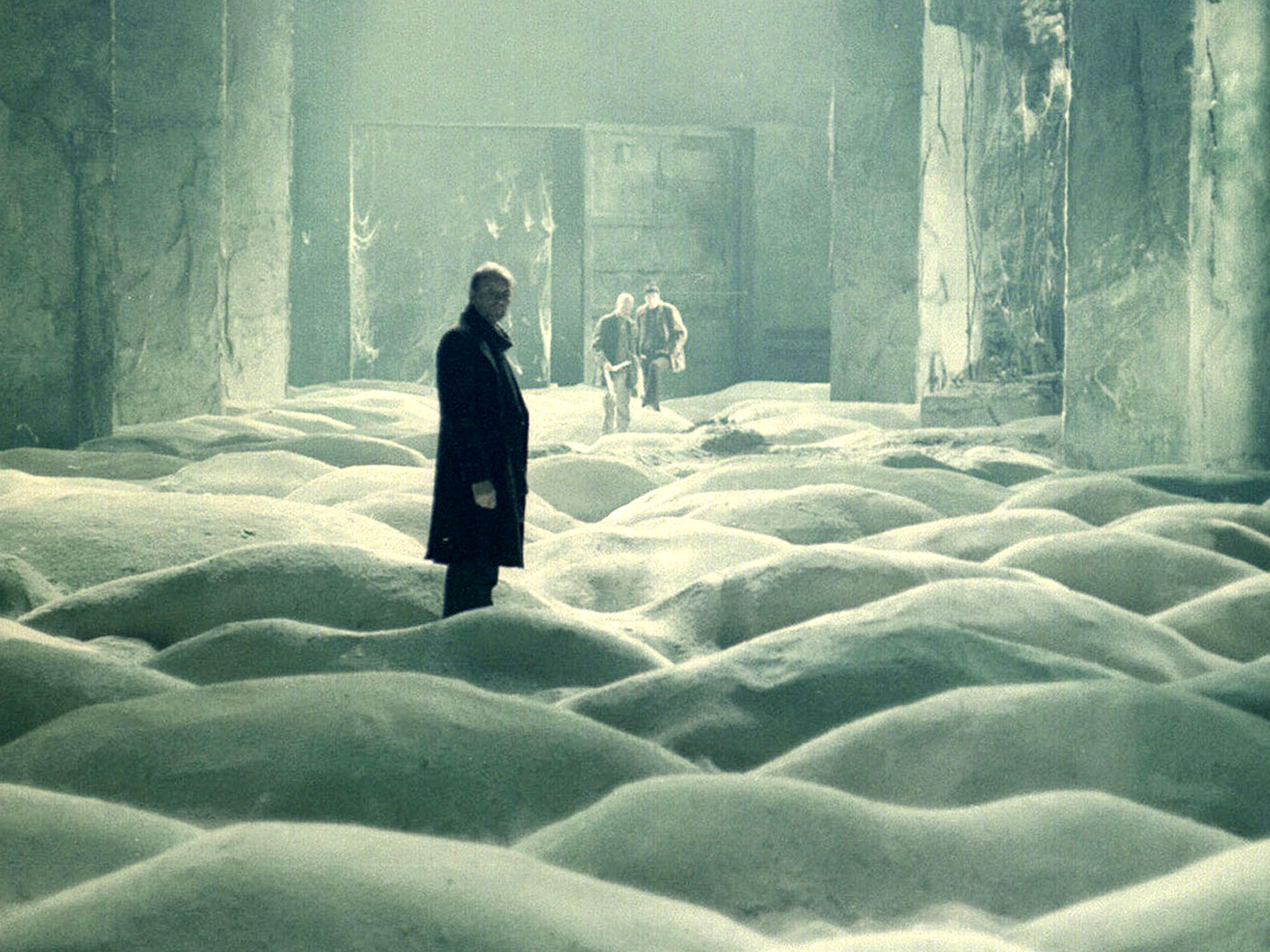
I find that all of Tarkovsky’s films remain new and full of surprises for me. They don’t “date” at all.
2. Should we look at Tarkovsky movies as spiritual movies, religious movies or modern films?
I would say that they’re both spiritual and modern. If they’re also religious, I can’t easily identify them as such.
3. Who/what influenced Tarkovsky’s cinema and which contemporary filmmakers are influenced deeply by his cinema?
Tarkovsky’s cinema, by his own account, was influenced by his father’s poetry, and most likely by other Russian poetry as well. I haven’t reread his book Sculpting in Time recently, but I recall that he had a great deal of reverence for Dovzhenko and Bergman, among others; I don’t know whether or how much they may have influenced him directly.
As for the influence of Tarkovsky on other filmmakers, I could cite Béla Tarr and, more recently, Alex Garland in his film Ex Machina, which is clearly indebted to Solaris. There are undoubtedly many others, but these are the first names that spring to mind.Read more
Ben Kenigsberg emailed me a few questions on November 27 for a story about the authorship of the Citizen Kane screenplay, tied to the upcoming commercial release of David Fincher’s Mank, for the New York Times. Since I regarded this as a fake issue designed to make a piece of infotainment sound more ‘serious’ than it actually was (which is why I refuse to include a still from Mank here), and despite my knowing that the Times will never print criticisms of its own positions, I responded as follows: :
1. Have you seen “Mank”? If so, what did you think? And if not, what do you think of the idea of the project?
2. How would you explain to readers who know nothing about “Raising Kane,” “The Kane Mutiny” or even “Citizen Kane” itself why the authorship of the screenplay matters (assuming it matters)? Movies drawn from real events take liberties all the time, but what’s different about “Mank,” which implies (with maybe a bit of plausible deniability) that Mankiewicz deserved sole credit for the script, is that it resurrects a debunked idea that has a history and a subtext. Read more
James Naremore, Cinema Then and Now: Conversations with Craig S. Simpson, New York: Sticking Place Books, 2025, 254 pp., $20 cloth, $16 paper.
JONATHAN ROSENBAUM
Many book-length interviews with film critics have been appearing in vertically-shaped volumes from the highly energetic Sticking Place Books over the past couple of years, starting with Michel Ciment and already including Joseph McBride, Patrick McGilligan, Leonard Maltin, James Naremore, Gerald Peary, Pierre Rissient, myself, and David Sterritt so far — even more by the time this review reaches print. Thanks to an inclusive policy that allows Maltin, Naremore, and Rissient to rub shoulders, there’s also a variety of lengths ranging from Rissient’s (167 pages) to McBride’s (730 pages), suggesting a welcome freedom from standardized formats and a willingness to let each volume establish its own rules and priorities. It appears that the critics have been invited to pick their own interviewers. Naremore selected Craig S. Simpson, a former colleague and former manuscript archivist at Indiana University’s Lilly Library, and part of what makes this book an enjoyable page-turner in spite of its boilerplate title are the relaxed and sometimes playful discussions between these friends, even when they disagree (Simpson, for instance, likes both Robert Altman and Pauline Kael, unlike Naremore). Read more
Like almost every other year within recent memory, I wind up seeing a masterpiece after I can vote for it or include it in any poll. Alice Diop’s first fiction feature is a classical example of a film that asks questions more than provides answers, and one of its best ways of posing or suggesting questions is not cutting to a reverse angle whenever you’re expecting it to. This is a film carried largely by its close-ups and its dialogue, and many of its reverse angles are between its two protagonists, two young and black Senegalese women in France who never meet, although they do exchange glances at one climactic, privileged moment. It’s a film devoted to a trial whose outcome is never recorded, but it has generated enough questions by the end to make a verdict seem either impossible or superfluous. Consciously or not, it carries more than one echo of Ousmane Sembene’s great La noire de… (Black Girl, 1966). [1/3/2023]
I’ll concede that Todd Solondz’s absorbing 134-minute epic of sexual disgruntlement in the New Jersey suburbs (1998) is worth seeing, and not only for shock value. But I don’t think it deserves all the high marks it’s been getting for compassion and understanding, especially given its campy use of elevator music whenever the misery of its large cast of characters gets too close for comfort. Everyone who likes this movie calls it disturbing, but what disturbs me most is the self-loathing laughter it provokes, similar to what one often hears at Woody Allen and Michael Moore comedies. So even if I’m touched by the treatment of a child molester who loves his son, I don’t like that I’m also supposed to sympathize with the molester when he’s working as a therapist who doesn’t listen to his clients. An obsessive primitive with a clodhopper sense of excess, Solondz has already proved in Welcome to the Dollhouse (a better film overall) that he can carry dark obsessions further than most. But he still stoops to teenage gross-out antics like those of the Farrelly brothers, calling it art rather than entertainment and knowing that the media eagerly charting Clinton’s semen flow will go along. Read more
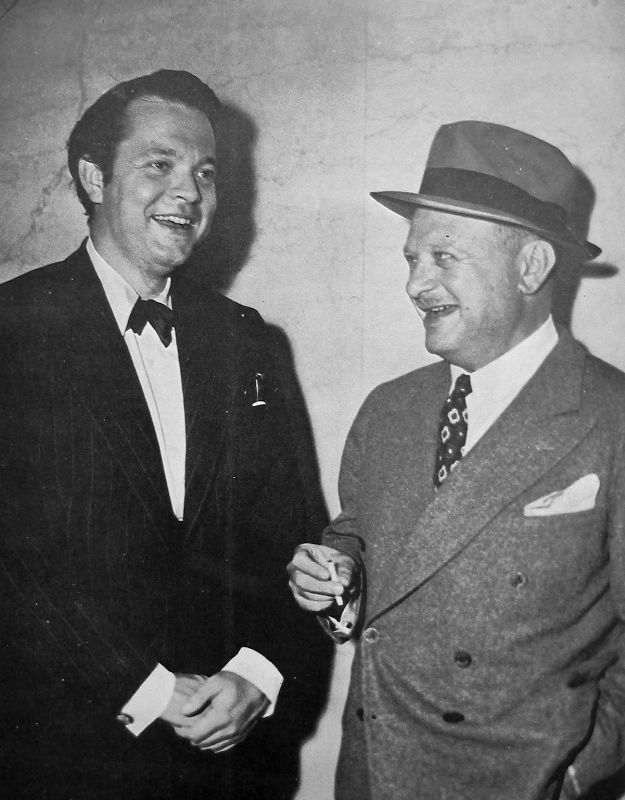
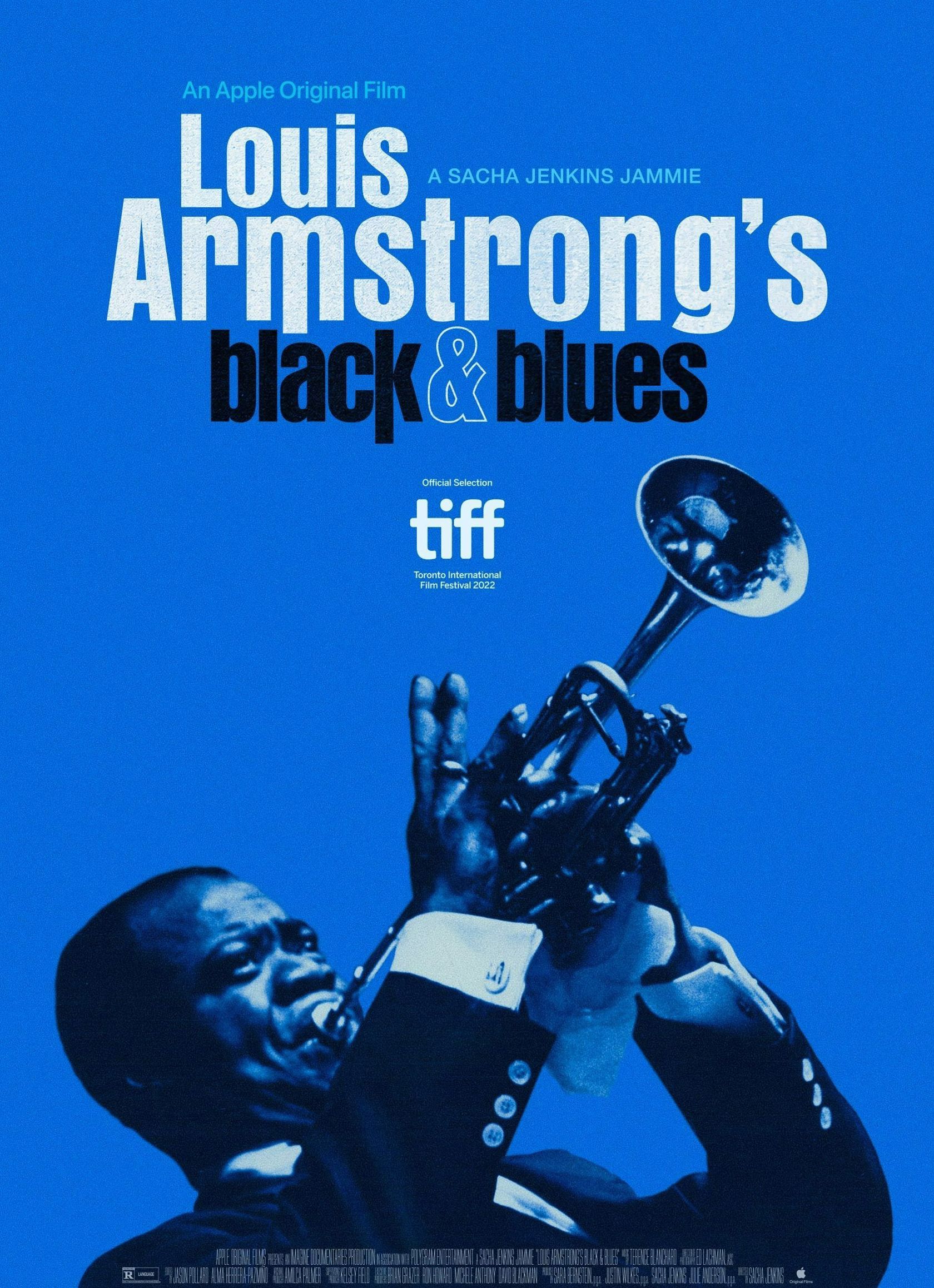
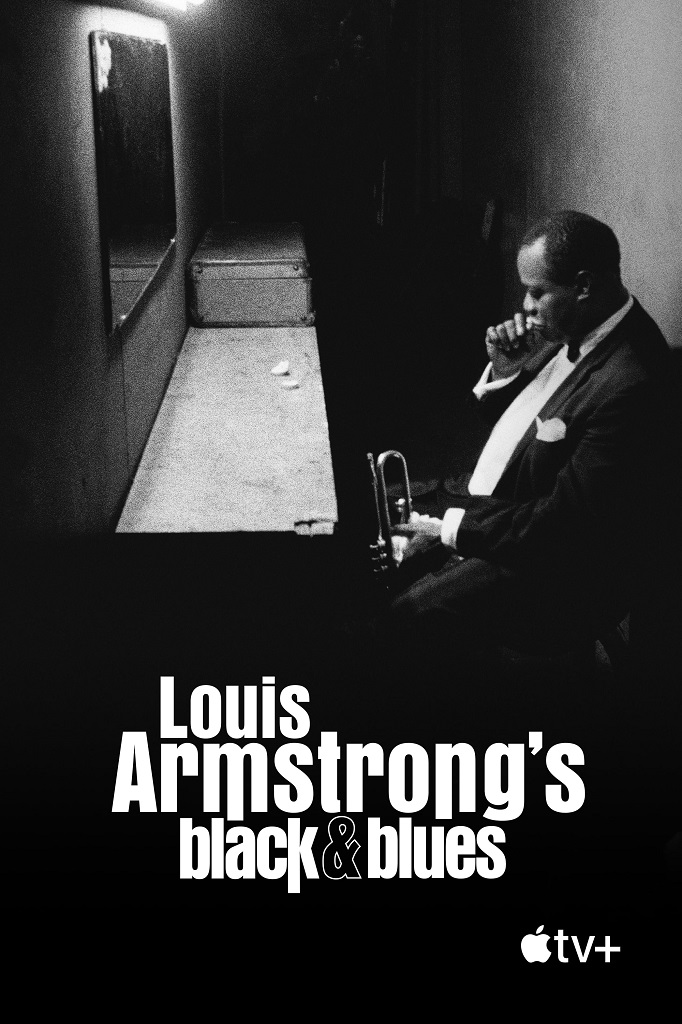
For me, the two best talking heads in Sacha Jenkins’ recent documentary, Louis Armstrong’s Black & Blues, are those of Orson Welles and Ossie Davis, both of whom significantly started out as performers and theater people. Welles — whom we hear as the film begins, warmly introducing Armstrong as a friend on a TV talk show, explaining that he once planned to make a film that would recount the history of jazz through Armstrong’s life — insists on his preeminence as a performer “not on the principle of escapism but on the principle of affirmation.” Given that the entire career of Armstrong as a blazing maestro of the cornet and trumpet can be summed up by the word “affirmation”, Welles’s introduction couldn’t have been more apt.
Written for the first paper issue of New Lines Magazine, January 15, 2023.(Note: The version posted here is somewhat different.)
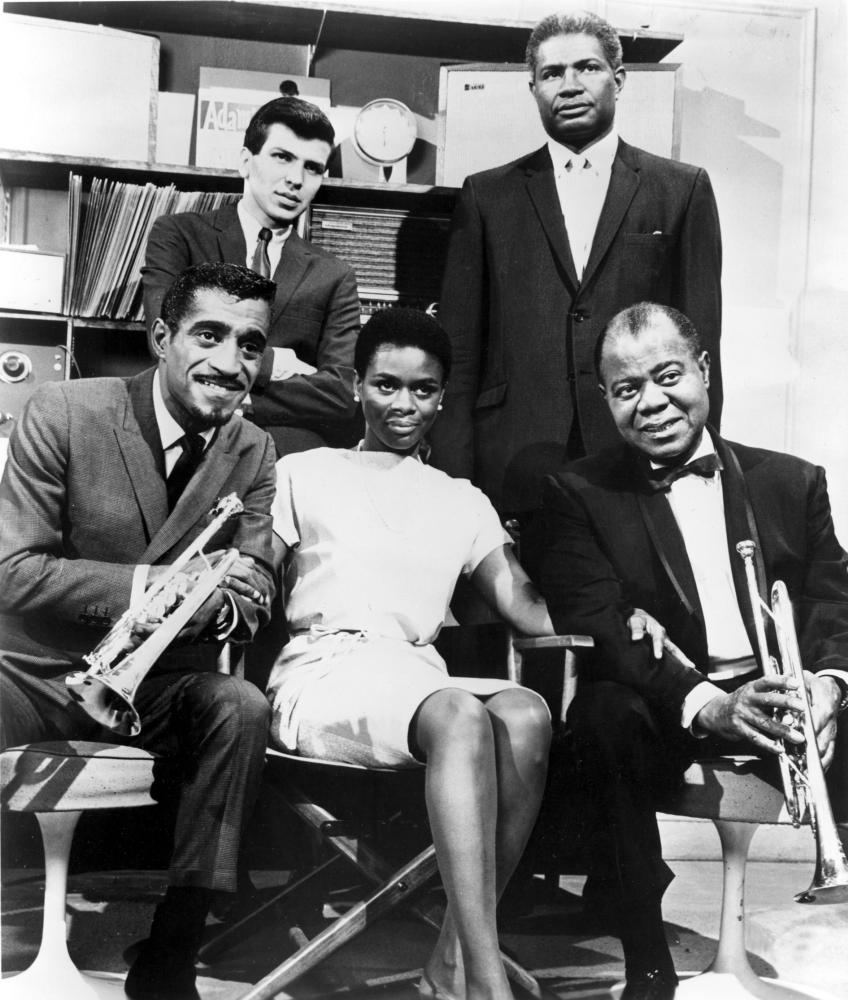
A MAN CALLED ADAM, Sammy Davis, Jr., Frank Sinatra, Jr., Cicely Tyson, Ossie Davis, Louis Armstrong, 1966
Ossie Davis, who once had a character in his play Purlie Victorious say to someone, “You’re a disgrace to the Negro profession,” recalls that he and his friends used to laugh derisively at Satchmo’s performing antics and clowning as a creepy form of Uncle Tomism until the two of them worked together on a movie, A Man Called Adam (1956). Read more
This fascinating oddity from Alain Corneau (Tous les matins du monde) adapts Amelie Nothomb’s autobiographical novel about the office life of a young Belgian (Sylvie Testud) working for a huge corporation in Tokyo. Though she’s spent her childhood in Japan and speaks fluent Japanese, a string of cultural blunders leads to one humiliating demotion after another. Testud took a two-month crash course in the language to play this part, and though the notations on cultural difference are far richer and subtler than anything in Lost in Translation, I can’t help but wonder what Japanese viewers might think of this film’s blistering critique of some of their hierarchies and protocol. The unconventional take on power and freedom, enriched by a deft use of Bach’s Goldberg Variations, remains that of an outsider. In Japanese and French with subtitles. 102 min. Music Box. Read more
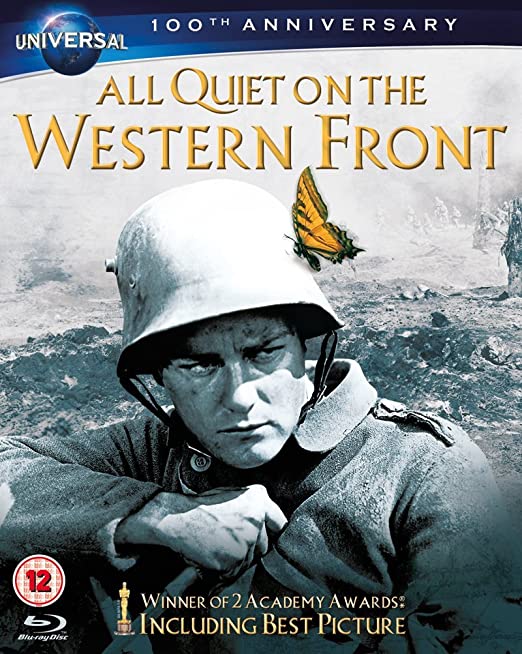
Lewis Milestone’s powerful 1930 adaptation of Erich Maria Remarque’s antiwar novel, starring Lew Ayres and Louis Wolheim, deserves its reputation as a classic. The sound version originally ran 140 minutes, though ultimately (and unfortunately) the studio eliminated about 35 of them. Most of the missing footage was subsequently restored in a combined effort by various archives, and at 132 minutes the film can now be seen for the remarkable work that it is. Milestone’s other 30s work (e.g., Hallelujah, I’m a Bum!) is sorely in need of reappraisal. (JR)
Written for Cineaste Vol. XLVIII, No. 2 but published online due to space limitations .–J.R.
Edited by Mark Webber. London: The Visible Press, 2022. 349 pp., illus. Hardcover: $60.
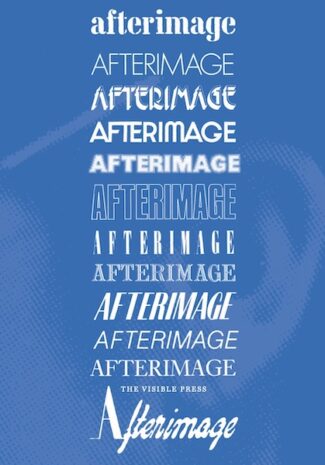
I can think of at least three reasons why the independent British film journal Afterimage (1970-1987)isn’t better known in the U.S.: 1. It shares the name of a still-existing U.S. bimonthly devoted to digital media, 2. It only lasted for thirteen issues, and 3. Although it was supported by state funding, like the far better-known Screen, its nature and its influence were (and still are) far less institutional.
The third reason requires some elucidation. The seventeen years of Afterimage’s existence corresponded fairly closely to the founding of academic film studies in both the U.S. and the U.K. Screen sprang from the British Film Institute’s Education Department during the same period, and its pedagogical mission has always been inseparable from its institutional armor, including its dull boiler-plate design and the virtual equation of the positioning of its armchair Marxism with institutional protection. Afterimage was far more independent, exploratory, and eclectic, stemming largely from the passions of a single individual, Simon Field (seven of whose editorials are included, along with his interview with Hollis Frampton) and shifting its focus and aspects of its design with each successive issue. Read more