Commissioned by Fandor Keyframe in late January 2016. — J.R.
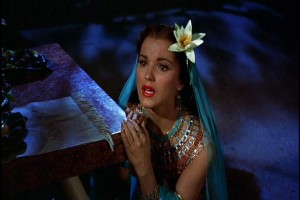
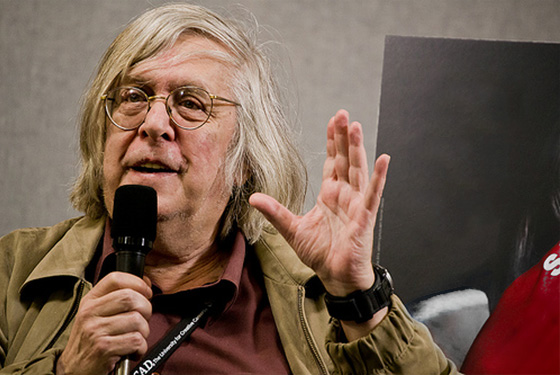
Mark Rappaport and I have been friends for well over three decades. He’s a year older than me, and even though our class and regional backgrounds differ, we’re both film freaks and film historians who grew up with the same Hollywood iconographies, for better and for worse. How these experiences might qualify as better or worse have been the source of countless friendly arguments, all the more so when they converge on the same objects of fascination — as the title of his latest video puts it, Debra Paget, For Example.
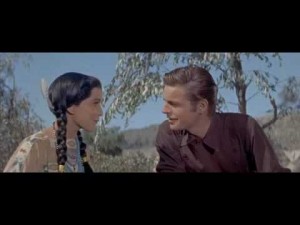
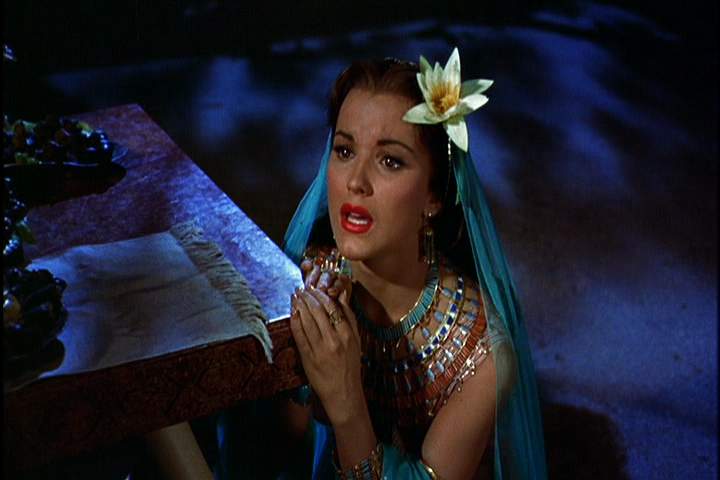
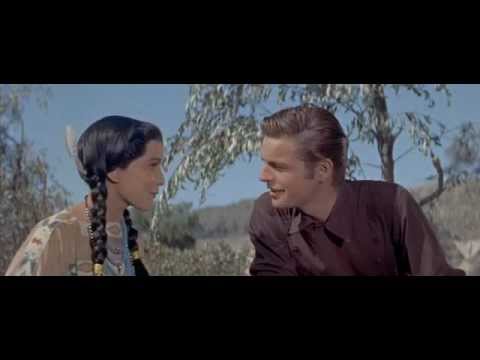
Thirty-six minutes and thirty-six seconds long, this juicy video about the 15-year screen career of Debra Paget (1948-1963, ages 14 to 29, including a busy eight-year stretch as contract player at Fox, 1950-1957) seems at times to cover almost as much material and as much cultural ground as Rappaport’s two star-centered film features, Rock Hudson’s Home Movies (1992) and From the Journals of Jean Seberg (1995), both of which I’ve reviewed in the past. (See www.jonathanrosenbaum.net/1992/11/rock-criticism and www.jonathanrosenbaum.net/2022/12/riddles-of-a-sphinx for specifics.) It might even be called a compendium of Rappaport’s rhetorical strategies, such as using an actor to play the star in question — as in those two features, although here only offscreen (as was also done in his brilliant recent video I, Dalio, or The Rules of the Game), with Paget voiced by Caroline Simonds — and using Rappaport’s own voice, as in another recent video, The Circle Closes. Read more
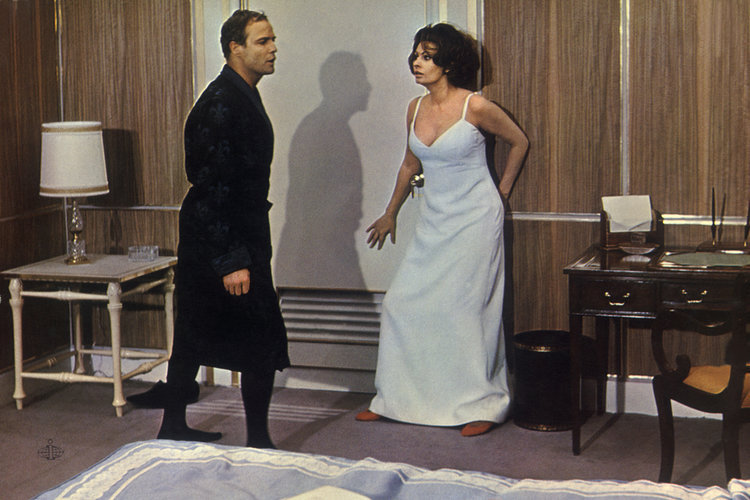
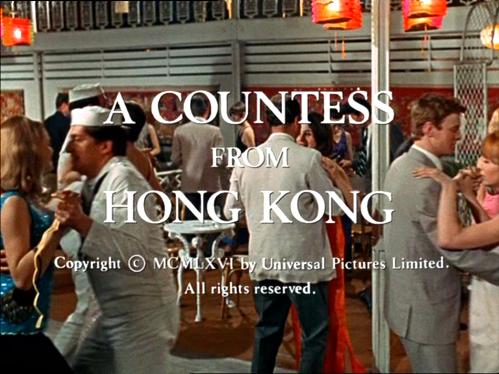
One of my reasons for recently revisiting Chaplin’s last feature, while preparing to teach a ten-hour course about him in Brazil, was trying to figure out why it’s so bad. There are other examples one could cite of unredeemably bad films by great filmmakers, but this one seems to belong in a category all its own. I certainly wouldn’t confuse it with his previous three features, some or all of which are considered bad by many of my colleagues but all of which I consider great in different ways (and to different degrees), even when they’re at their most distasteful. A Countess from Hong Kong is never distasteful in the various ways that A King in New York, Limelight, and Monsieur Verdoux can be at times, but it also never comes close to being revelatory in any profound way, as they continue to be.
Here is one possible explanation: Chaplin’s greatness as a director doesn’t invariably depend on his presence as the central star attraction, as A Woman of Paris amply demonstrated. But a major part of his greatness is still tied to a kind of dialogue he (mainly) had or (less often) attempted to have with his public throughout his career, most of which was tied in one fashion or another to his physical presence and/or his personal autobiography. Read more
Commissioned by and written for a collection entitled Time, published in February, 2016 by Punto de Vista, Festival Internacional de Cine Documental de Navarra in Pamplona, Spain. — J.R.
Selected Moments: Some Recollections of Movie Time
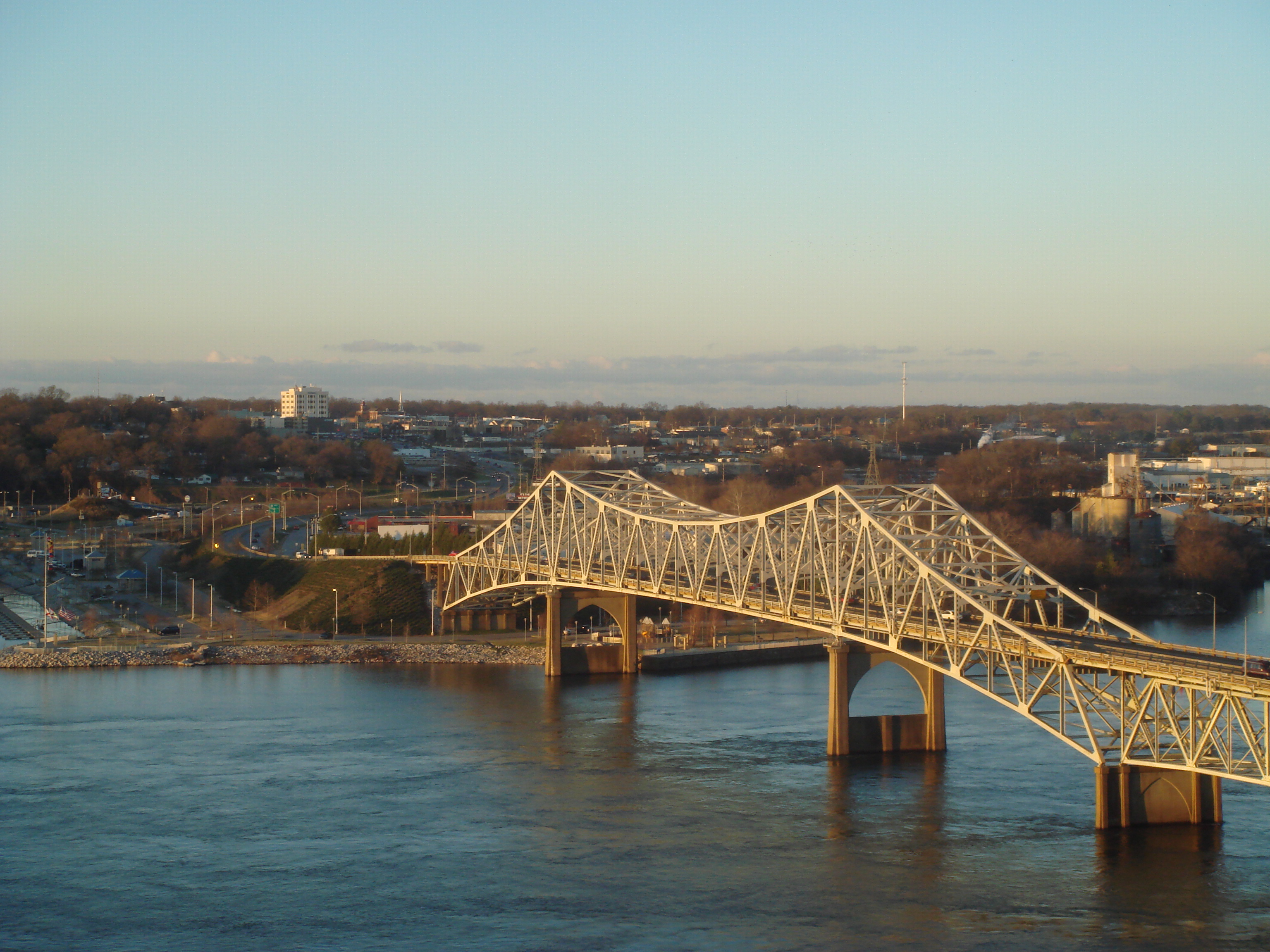
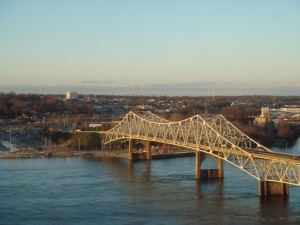 1. My first sixteen years (1943-1959) — growing up in northwestern Alabama as the grandson and son of Jewish movie theater exhibitors — ensured that time and cinema were alternately parallel and crisscrossing rivers that coursed through my childhood, along with the Tennessee River that separated Florence from Sheffield. Florence, where I lived, had three of the Rosenbaum theaters, at least until 1951, all within a three-block radius, while Sheffield, which I could see across the river from my back yard, had two more theaters, one around the corner from the other. For Southerners like myself, the past was always present, a kind of double vision that movies taught me as well — a camera’s recording of the past becoming the present of both a screen and an audience, which then in retrospective memory becomes the past as well. And for Jews like myself, the past was also identity — meaning one’s past, present, and future. This explains why Lanzmann’s Shoah represents a shotgun marriage between the present tense of existentialism and the past tense of Judaism. Read more
From the Chicago Reader (September 1, 2000). — J.R.
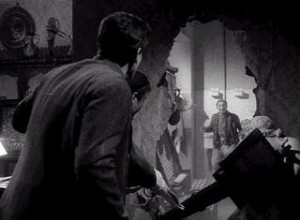
Conceived as a kind of irreverent parody of both Rififi and The Asphalt Jungle, Mario Monicelli’s stumblebum heist film (1958) about a group of incompetent crooks trying to rob a safe full of jewels is one of the funniest Italian comedies ever made — certainly much funnier than the many imitations and remakes (i.e., rip-offs) it’s spawned over the years, including Louis Malle’s Crackers and Woody Allen’s Small Time Crooks. Monicelli’s sense of character is priceless, and his fabulous cast — including Marcello Mastroianni, Vittorio Gassman, Claudia Cardinale, and Renato Salvatori — makes the most of it. 111 min. (JR) Read more
From the Chicago Reader (March 1, 1992). — J.R.
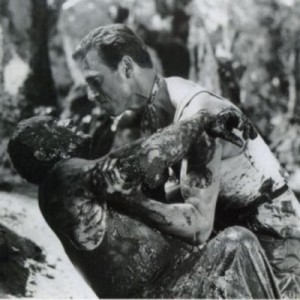
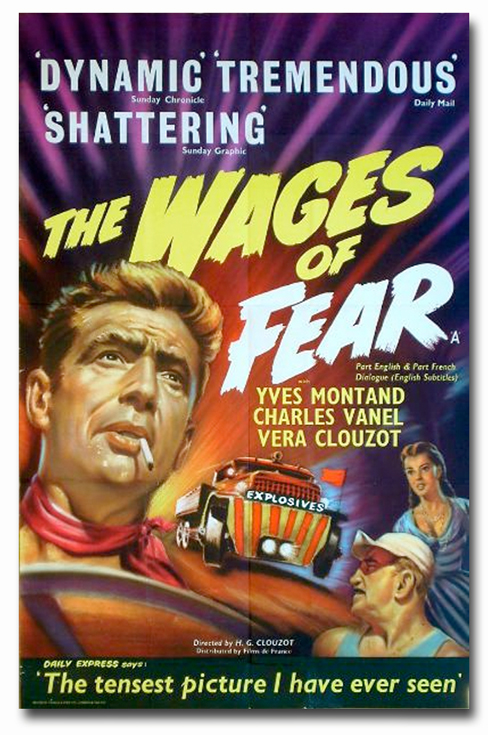
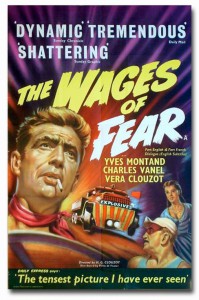
In Henri-Georges Clouzot’s 1953 suspense classic, four out-of-work Europeans (Yves Montand, Charles Vanel, Folco Lulli, Peter Van Eyck), trapped in a squalid South American village that’s exploited by a U.S. oil company, agree to drive two truckloads of nitroglycerine over 300 miles of primitive roads in exchange for $2,000 eachif they survive. When this existentialist shocker opened in the U.S., 43 minutes had been hacked away, but the gripping adventure elements left intact were still enough to turn the film into a hit. (This restored and at least semicomplete version of the film, 148 minutes long, was released in the early 90s.) A significant influence on Peckinpah’s The Wild Bunch, this grueling pile driver of a movie will keep you on the edge of your seat, though it reeks of French 50s attitude, which includes misogyny, snobbishness, and borderline racism. It’s also clearly a love story between two men (Montand and Vanel). In French with subtitles. (JR)
 Read more
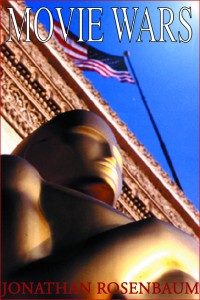
Chapter Seven of my book Movie Wars: How Hollywood and the Media Limit What Films We Can See (Chicago: A Cappella Books, 2000). The cover below is that of the U.K. edition published by the Wallflower Press. Because of the length of this chapter, I’m posting it in two parts. — J.R.
TRANSATLANTIC REALITY AVOIDANCE: A REPORT FROM THE FRONT (MAY 1999)
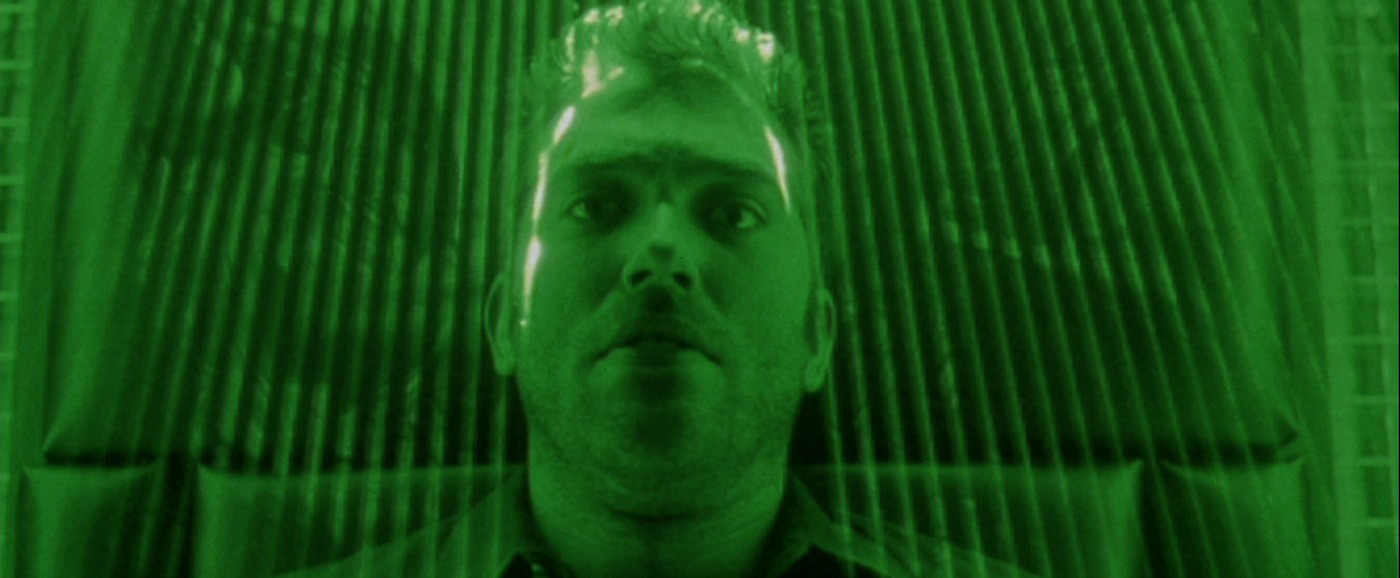
“ ‘I think, therefore I am,’ ” reads the opening epigraph of The Thirteenth Floor, the fourth virtual‐reality thriller I saw in Chicago in as many weeks in the spring of 1999, followed by the quotation’s source, “Descartes (1596–1650).” It’s an especially pompous beginning for a movie whose characters scarcely think, much less exist, but not an unexpected one given the metaphysical claims and pronouncements that usually inform these thrillers.
If any thought at all can be deemed the source of these pictures cropping up one after the other — with the exception of David Cronenberg’s eXistenZ, a film with a lot more than generic commercial kicks on its mind — this might be an especially low estimation of what an audience is looking for at the movies. The assumed desire might be expressed in infantile and emotional terms: “I don’t like the world, take it away.” Read more
Chapter Seven of my book Movie Wars: How Hollywood and the Media Limit What Films We Can See (Chicago: A Cappella Books, 2000). The cover below is that of the U.K. edition published by the Wallflower Press. Because of the length of this chapter, I’ll be posting it in two parts. — J.R.
Is it possible that because of the rise of the new media, which have given us the ability to manufacture what we call virtual reality, we are now able, without quite knowing what we are doing, to create a secondary world that we are liable to mistake for the primary world given to our senses at birth? If so, the prime need it serves is probably not political at all but the one Freud identified as the chief motive for dreaming: wish fulfill-‐ ment—a need catered to both by our luxuriously proliferating sources of entertainment and the means of their support, namely, advertisement of consumer products. In our variant of self-‐deception, pleasure plays the role that terror plays under totalitarianism.
— Jonathan Schell, “Land of Dreams,” The Nation, January 11/18, 1999
This chapter and the next explore complementary and mutually alienating attitudes: the desire to keep out foreign influences in order to preserve American “purity,” and the fact that what we consider American “purity” is often composed of foreign influences.
Read more
From the April 2015 Sight and Sound. Happily, both versions of both Macbeth and Othello are now available in the U.S. — J.R.
Who ever said Orson Welles’ filmography has to be neat? But one rudimentary way of bringing some order would be to distinguish between nine films he completed to his satisfaction (Citizen Kane, Macbeth, Othello, The Fountain of Youth, The Trial, Chimes at Midnight, The Immortal Story, F for Fake, and Filming Othello) and nine others he didn’t complete and/or lost control of (The Magnificent Ambersons, It’s All True, The Stranger, The Lady from Shanghai, Mr. Arkadin, Touch of Evil, Don Quixote, The Deep, The Other Side of the Wind). Yet even this isn’t as neat as it sounds, because he completed two separate versions of both Macbeth (1948 and 1950 — the second at the studio’s request — to eliminate the Scottish accents and shorten the running time by two reels; both are available today in France) and Othello (1952 and 1953; neither, alas, is commercially available anywhere — only an alteration of the second version, edited for the U.S. Read more
My liner notes for the Criterion DVD of the restored, 65 mm version of Jacques Tati’s Playtime, written in 2006. This also appears on Criterion’s web site, but, following the cue of an anonymous commentator there, I’ve corrected a confusing error that mysteriously appeared only in this online version of the essay. (It isn’t in the essay that’s included with the DVD.) — J.R.
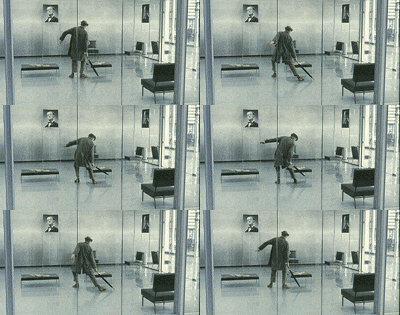
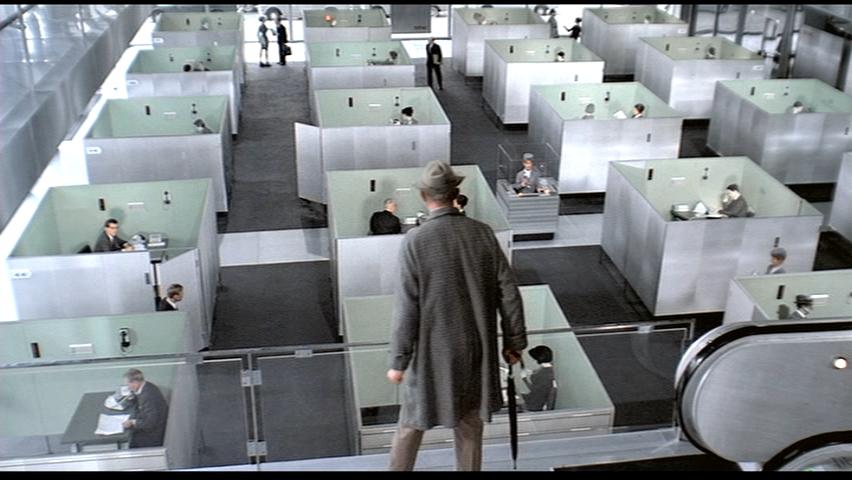
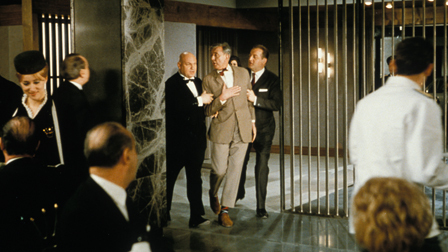
I suppose it could be argued that I saw Playtime for the first time in ideal circumstances — as an American tourist in Paris. Yet to argue this would mean overlooking the film’s suggestion that, like it or not, we’re all tourists nowadays — and all Americans in some fashion as well.
It’s a brash hypothesis, arguably somewhat middle-class and rooted in the assumptions of the 1960s — but then again, a great deal of what’s known today as “the sixties” can be traced back to the vision and activity of middle-class Americans. I was certainly enough of a middle-class American tourist to find myself bemused as well as amused by this account of a day spent in a mainly studio-built Paris — and sufficiently intrigued by the seeming absence of focal points during several busy stretches to return to the movie a couple of times. Read more
Written for the Criterion dual format (Blu-ray & DVD) edition of The Young Girls of Rochefort, released in a box set, “The Essential Jacques Demy,” in July 2014. This essay is also posted on Criterion’s web site. — J.R.

Braque, Picasso, Klee, Miro, Matisse . . . C’est ça, la vie.
— Maxence in The Young Girls of Rochefort
Life is disappointing, isn’t it?
— Kyoko in Yasujiro Ozu’s Tokyo Story
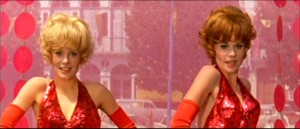
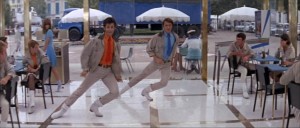

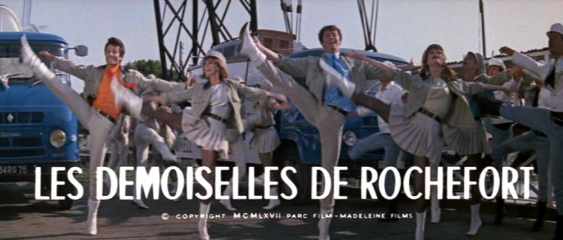
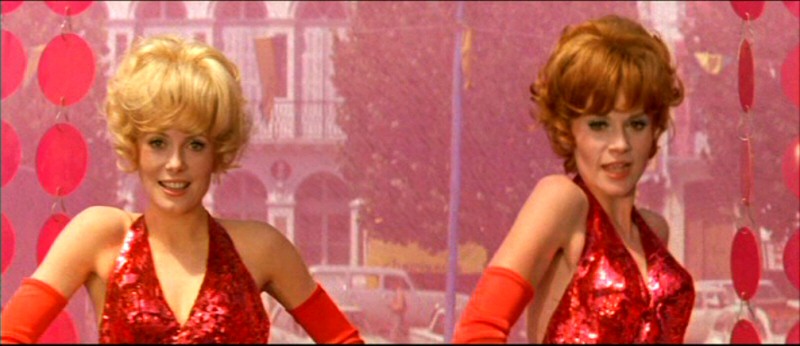
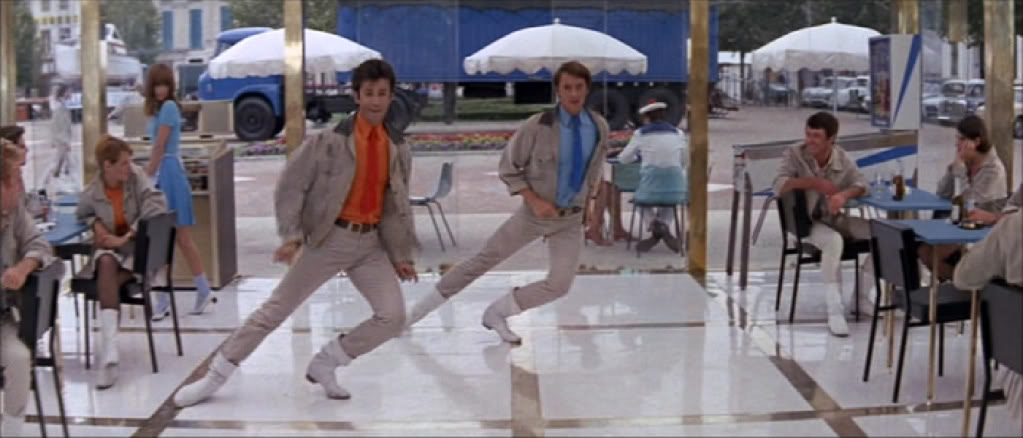
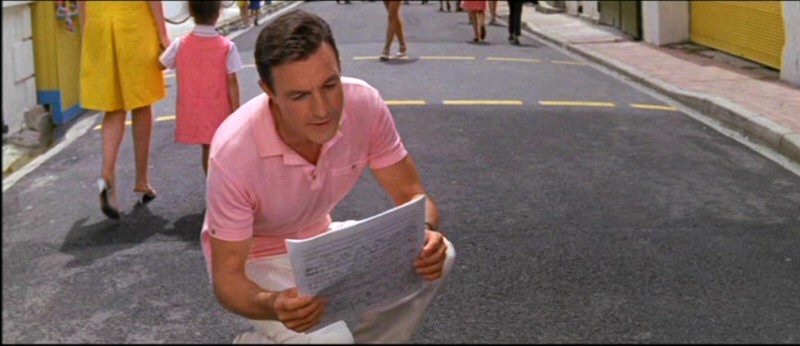
Broadly speaking, Jacques Demy’s The Young Girls of Rochefort (1967) is loved in France but tends to be an acquired taste elsewhere. From a stateside perspective, its launch in the U.S. in April 1968 was relatively inauspicious and uncertain. In the New York Times, Renata Adler began her two-paragraph notice by saying, “The Young Girls of Rochefort, a musical that opened at the Cinema Rendezvous, is another of those strange, offbeat movies produced by Mag Bodard in which a conventional, gay form is structured over what would be, in its terms, a catastrophe.” (The three other Bodard films she had in mind were Agnès Varda’s Le bonheur, Michel Deville’s Benjamin, and Demy’s previous film, The Umbrellas of Cherbourg. Read more
From the Chicago Reader (June 1, 2000). — J.R.

A failure, but an endlessly fascinating one. Between making his only SF film (The Damned) and his first successful art movie (The Servant), blacklisted expatriate Joseph Losey directed this 1962 film, adapted by Hugo Butler and Evan Jones from a James Hadley Chase novel, about a washed-up Welsh novelist of working-class origins (Stanley Baker) who unsuccessfully pursues a high-class hooker (Jeanne Moreau) while effectively driving his wife (Virna Lisi) to suicide. The film is pretentious and plainly derivative; I’ve always regarded as unwarranted and philistine Pauline Kael’s ridicule of Antonioni, Resnais, and Fellini in an article of the period called “The Come-Dressed-as-the-Sick-Soul-of-Europe Parties”, but she might well have included Losey’s film, with its clear debt to all three. It’s a painful testament of sorts (Losey himself can be glimpsed in a bar during a pan that also introduces the hero, showing his personal stake in the proceedings from the outset), though it makes wonderful use of locations in Venice and Rome and features an excellent jazz score by Michel Legrand (with a pivotal use of three Billie Holiday cuts). A decadent period piece and a sadomasochistic view of sexual relations, this singular, resonant, and at times even inspiring mannerist mess is far more interesting than a good many modest successes. Read more
2.

Part of what makes James Benning’s masterpiece such a satisfying culmination of his prodigious work in 16-millimeter is the way it both clarifies and intensifies the tension in his work between formal and political preoccupations, which could also be described as his love-hatred for industrial waste — a near-constant in his work.
You can find an excellent account of many of this film’s formal preoccupations from Kristin Thompson, who has just posted her comments on RR (seen at the same festival). [2020: I can’t easily provide a link anymore, but go to davidbordwell.net and search from there.] The political preoccupations of the film are partially outlined in Mark Peranson’s interview with Benning in Cinema Scope; they figure in some of the added sound materials (most obviously, Woody Guthrie’s “This Land is Our Land”), but even more crucially in the way many of the images (perhaps most notably the very last) manage to be both nostalgic and apocalyptic in the way they sum up what trains mean and have meant in relation to both American life and the American landscape. (As the interview suggests, sometimes the trains have to be understood not as parts of the landscapes but as despoilers of them.) Read more
From the Chicago Reader (November 4, 1994). — J.R.
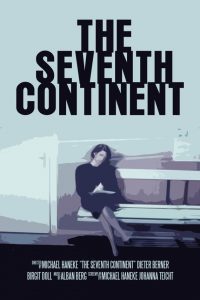
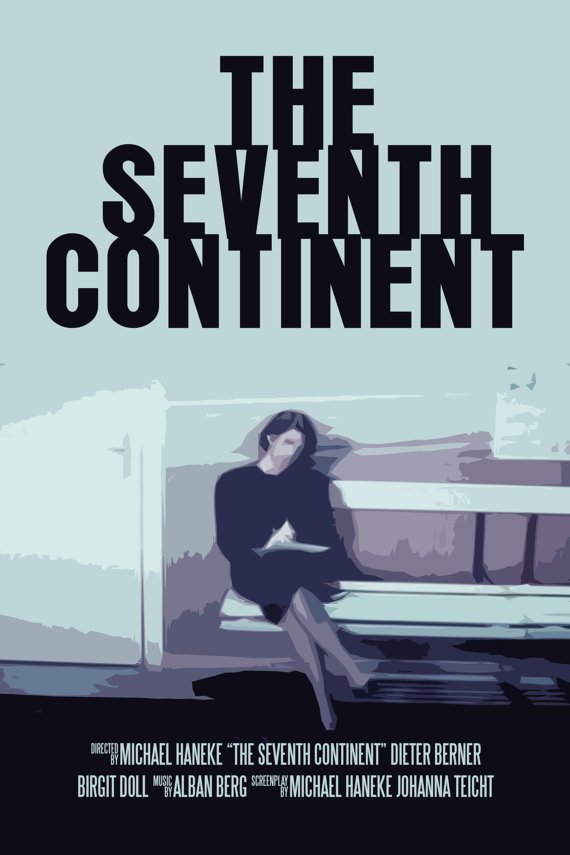
A powerful, provocative, and highly disturbing Austrian film by Michael Haneke that focuses on the collective suicide of a young and seemingly “normal” family (1989). Prompted by Austria’s high suicide rate and various news stories, the film’s agenda is not immediately apparent; it focuses at first on the family’s highly repetitive life-style, taking its time establishing the daily patterns of the characters. The roles of television and money in their lives are crucial to what this film is about, but the absence of any obvious motives for the family’s ultimate despair is part of what gives this film its devastating impact. Its tact and intelligence, and also its reticence and detachment, make it a shocking and potent statement about our times — to my mind a work much superior to the two other films in Haneke’s trilogy about contemporary, affectless violence, Benny’s Video and 71 Fragments of a Chronology of Chance. With Birgit Doll, Dieter Berner, Leni Tanzer, and Udo Samel. Facets Multimedia Center, 1517 W. Fullerton, Friday and Saturday, November 4 and 5, 7:00 and 9:00; Sunday, November 6, 5:30 and 7:30; and Monday through Thursday, November 7 through 10, 7:00 and 9:00; 281-4114. Read more
From the July 1, 1998 Chicago Reader. — J.R.
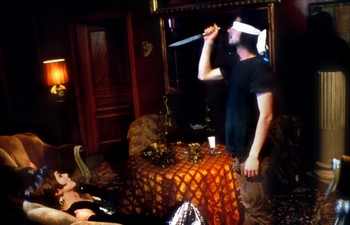
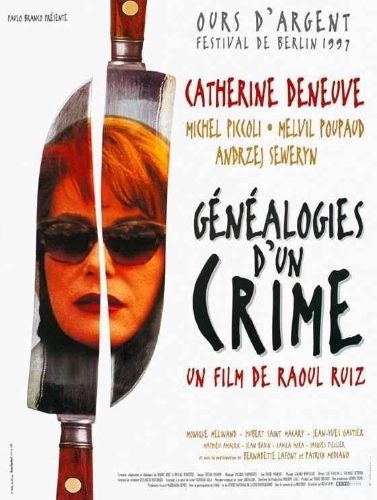
An uncharacteristically somber and mainly straightforward 1997 drama by prolific Chilean-born French postsurrealist Raul Ruiz (Three Lives and Only One Death). Catherine Deneuve plays a defense lawyer whose young client (Ruiz standby Melvil Poupaud) has murdered his aunt. (The aunt had belonged to a psychoanalytic group that believed criminal tendencies form by the age of five, an issue prominently debated throughout the film.) Over time the young man begins to associate the defense lawyer with his dead aunt while she identifies him with her dead son –a relationship that grows even stranger once the two become lovers. The film has strong perfomrmances by Deneuve and Poupaud as well as by Monique Melinand (as the lawyer’s mother), Michel Piccoli (as the head of a psychoanalytic group), and Bernadette Lafont. Beautifully shot and relatively concentrated for Ruiz — who usually prefers to ramble, constructing baroque visual tangents to his fictions — it delivers the sting of a sharp novella. (JR)
 Read more
A mild, romantic comedy-thriller, set in Austin, Texas, in 1954. If only the actors — Kim Basinger, Jeff Bridges, Rip Torn, and Gwen Verdon — had more to sink their teeth into, they could have had a field day; but writer-director Robert Benton gives them so little nourishment or stimulus that even a pro like Bridges seems somewhat bemused by the lack of material, while Rip Torn looks so bored with his own cardboard villain that he might as well be phoning in the part. Neither the setting nor the period is made distinctive, and apart from a few minor Hitchcockian jolts, the overall strategy seems to be banking everything on the behavioral cuteness of the two leads, who do the best they can with their condescendingly sketched-in southern working-class characters. Not even cinematography by Nestor Almendros can juice up the proceedings; the movie chugs along, but barely. Although Benton went to school in nearby Austin in the 50s, he seems to remember the movies he saw there better than the region, which is scaled down to sitcom proportions. (JR)
Read more