From the September 30, 2005 Chicago Reader. — J.R.
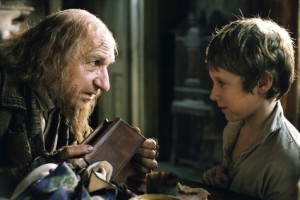
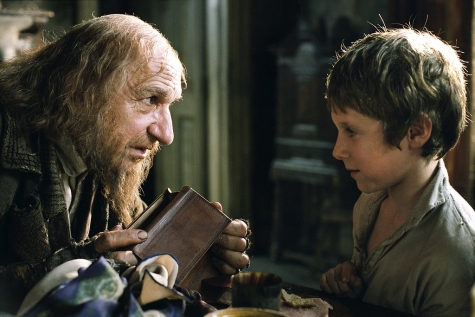
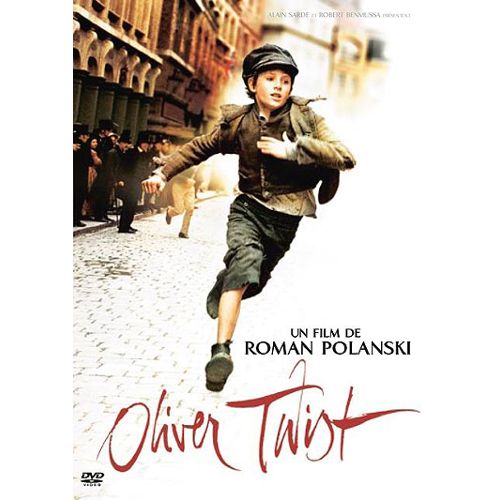
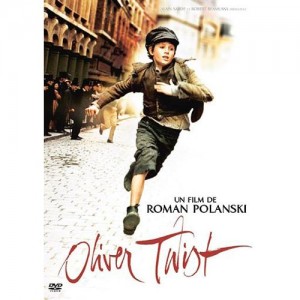
Roman Polanski said he wanted to make a movie his kids could see, and clearly his take on the Charles Dickens novel, with its childhood feelings of panic and deprivation, is free of the postmodern irony most contemporary directors would have brought to the material. Working again with writer Ronald Harwood (The Pianist), Polanski honors the craft of classical storytelling and never flinches from the book’s melodramatic extremes in portraying the horrors of poverty. Apart from Ben Kingsley’s elaborately detailed Fagin, there are no fancy actors’ turns, and the sets and costumes look splendidly (if sordidly) lived in, reminding one that Tess (1979), Polanski’s adaptation of Thomas Hardy, won Oscars in both categories. With Barney Clark as Oliver. PG-13, 130 min. (JR)
 Read more
From the Chicago Reader (December 17, 2001). — J.R.
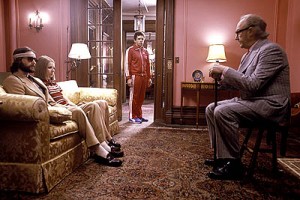
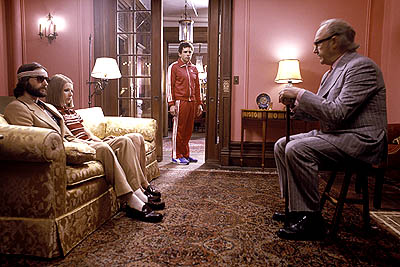
You may find Wes Anderson’s 2001 follow-up to Rushmore a solid piece of entertainment in the same general mode, but disappointing insofar as it moves the earlier film’s stylistic freshness into a kind of formula, increasing the overall cuteness while reducing the sense of adolescent despair. Not that the extended dysfunctional New York family of the title are happy campers by any means; like Salinger’s Glass family, they’re a disarming mix of prodigal talents, crippling incapacities, and diverging ethnicities. The movie’s affection for them all is certainly infectious, and the cast is wonderful: Danny Glover, Gene Hackman, Anjelica Huston, Bill Murray, Gwyneth Paltrow, Ben Stiller, Luke Wilson, and Owen Wilson. Whatever my qualms, it’s still one of the funniest comedies around. R, 108 min. (JR)
Read more
From the August 1, 1989 Chicago Reader. — J.R.
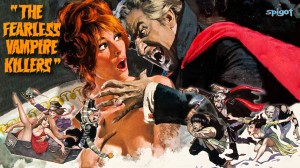
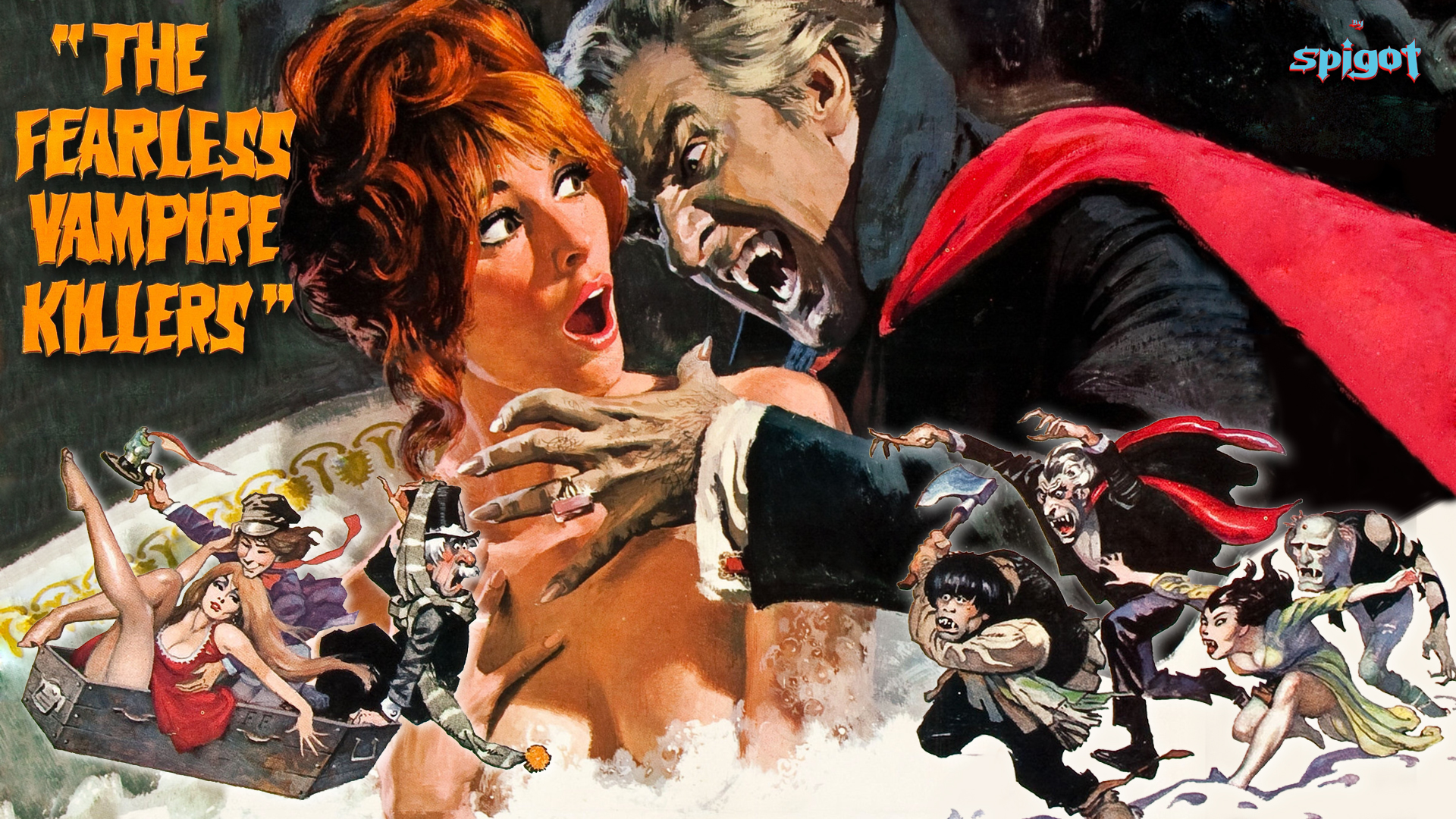
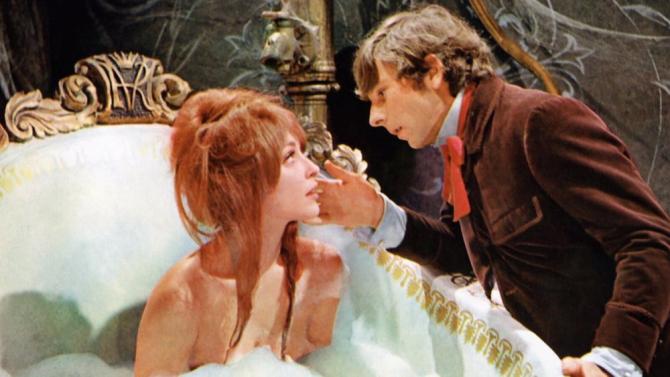
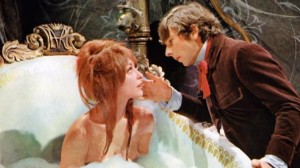
Subtitled Pardon Me, but Your Teeth Are in My Neck, and also known as Dance of the Vampires, Roman Polanski’s macabre send-up of the vampire movie (1967, 108 min.) never got a fair shake in this country, because it was originally released in a mutilated and redubbed version that tended to flatten many of the film’s eastern European nuances and ironies (if memory serves, a few of the kinkier gags were lopped off as well). A comic duo composed of a bumbling professor (Jack MacGowran) and his awkward assistant (Polanski) go after a family of Transylvanian vampires, and the film amiably runs through all the standbys associated with vampire movies, putting a personal and goofy spin on most of them. Sharon Tate also appears, at her most ravishing. (JR)
 Read more
From the Chicago Reader (January 2, 2001). — J.R.
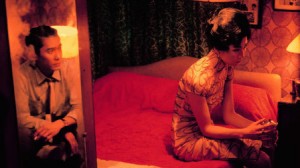
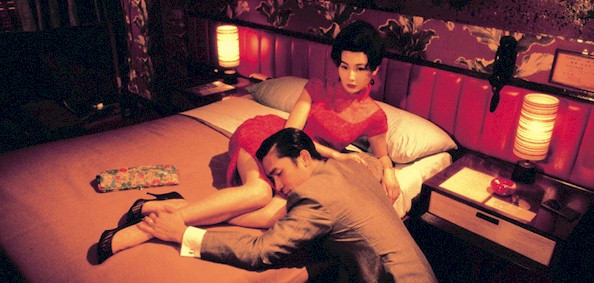
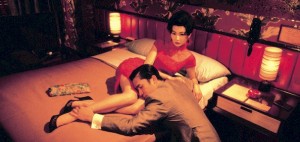
A brooding chamber piece (2000) about a love affair that never quite happens. Director Wong Kar-wai, Hong Kong’s most romantic filmmaker, is known for his excesses, and in that sense the film’s spareness represents a bold departure. Claustrophobically set in adjacent flats in 1962 Hong Kong, where two young couples find themselves sharing space with other people, it focuses on a newspaper editor and a secretary at an export firm (Tony Leung and Maggie Cheung, the sexiest duo in Hong Kong cinema) who discover that their respective spouses are having an affair on the road. Wong, who improvises his films with the actors, endlessly repeats his musical motifs and variations on a handful of images, rituals, and short scenes (rainstorms, cab rides, stairways, tender and tentative hand gestures), while dressing Cheung in some of the most confining (though lovely) dresses imaginable, whose mandarin collars suggest neck braces. In Cantonese, French, Mandarin, and Spanish with subtitles. PG, 98 min. (JR)
 Read more
From the June 1, 1994 Chicago Reader. — J.R.
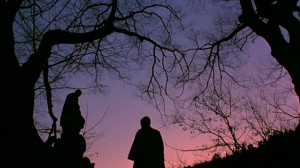
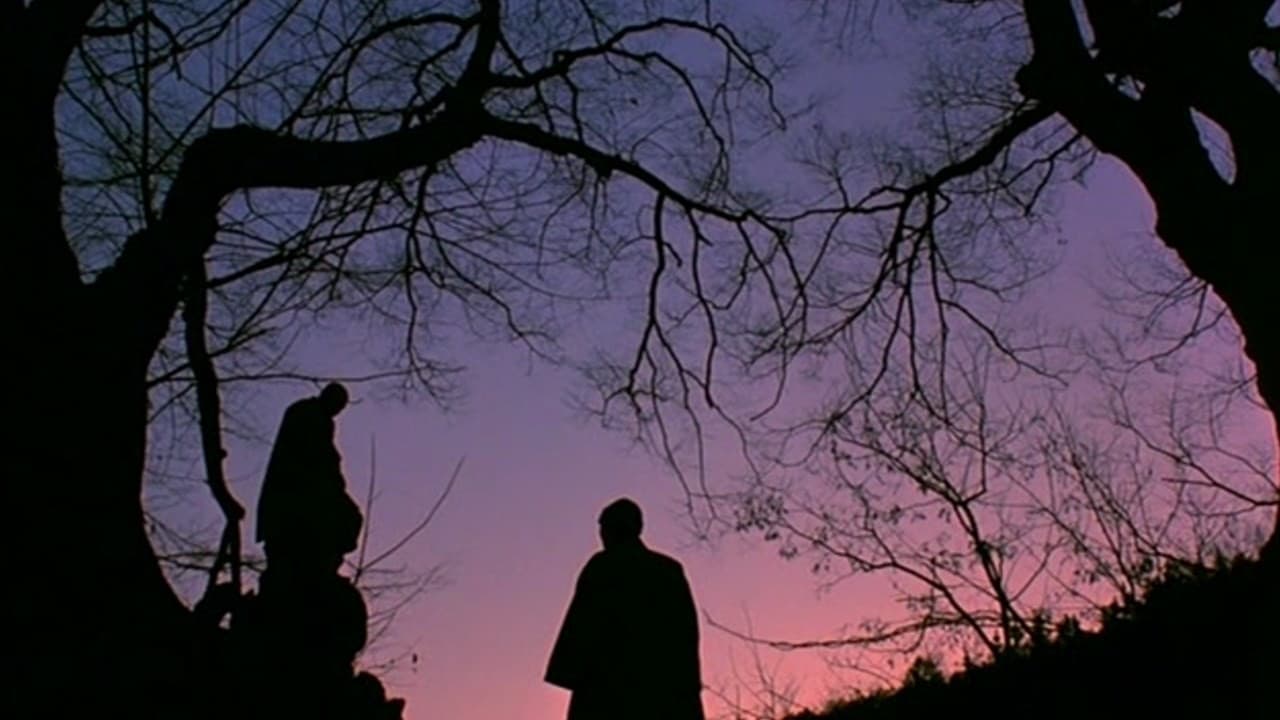
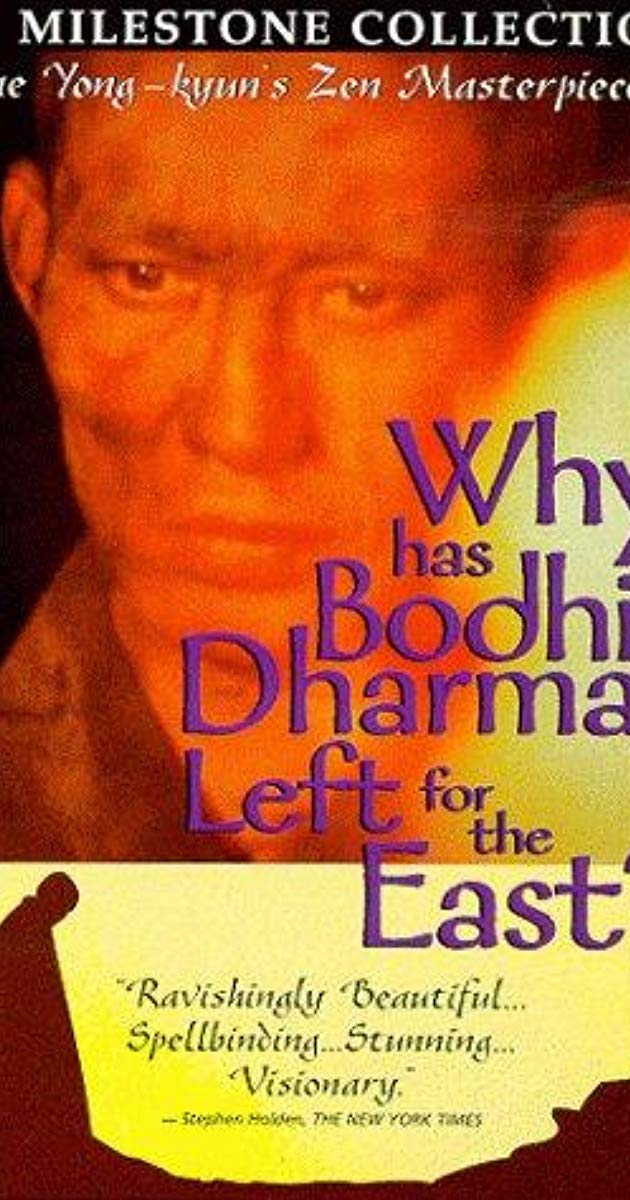
A much more serious treatment of Buddhism than Bernardo Bertolucci’s Little Buddha, this 1989 Korean feature by Bae Yong-kyun (who produced, directed, shot, and edited) has become something of a cult film, and it’s easy to understand why. The title is an unanswerable Zen koan, at one point echoing the narrator’s queries: Who is Buddha? Who isn’t he? The skeletal plot concerns an old master, a young disciple, and an orphaned boy in a remote Korean monastery in the mountains, but the film’s main offering is its contemplation of and inexhaustible fascination with the natural world; indeed, we periodically have the sensation that the narrative has been suspended almost entirely for the sake of this meditation. Full of ravishingly beautiful images rather than ravishingly beautiful shots, the film conveys not so much a filmic intelligence as a Buddhist intelligence that’s being translated, step-by-step, into movie terms; the film seems to reach us from a certain remove, with positive as well as negative consequences. Count on something slow, arresting, and lovely, and if you’re looking for drama, expect to find it internally. 135 min. (JR)
 Read more
From the Chicago Reader (January 1, 1989). — J.R.
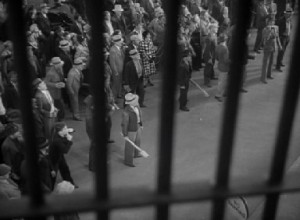
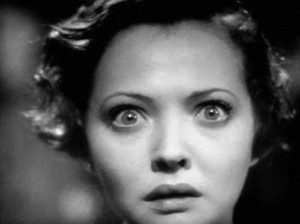
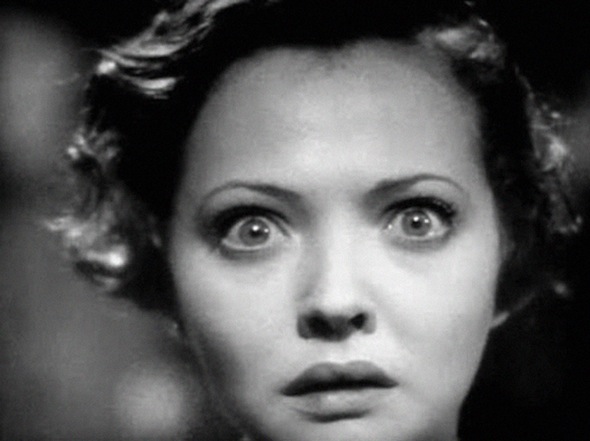
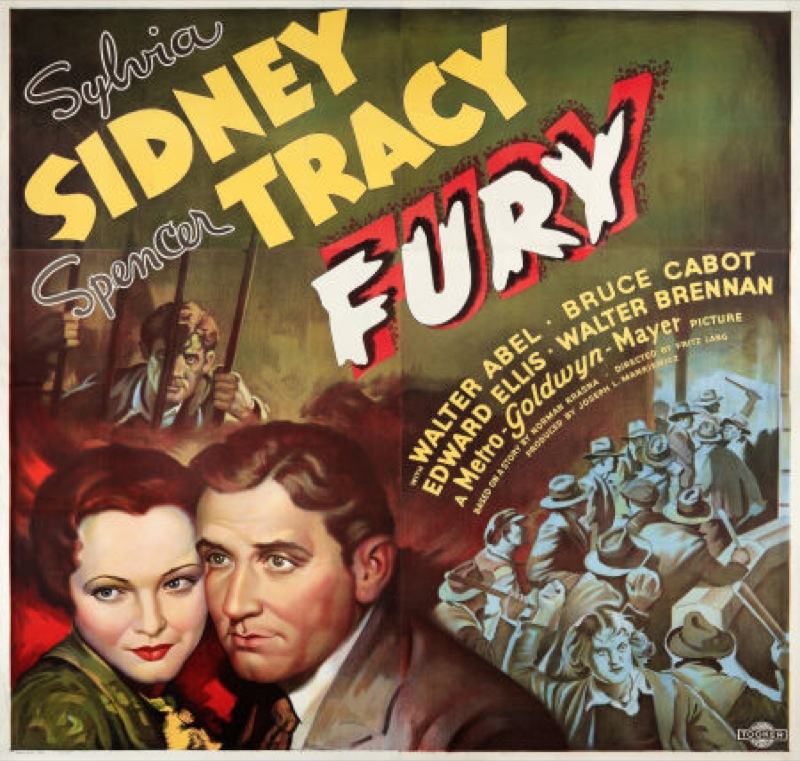
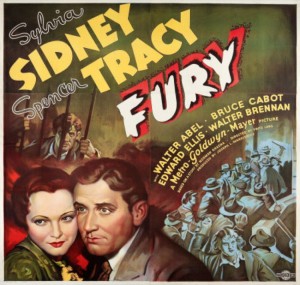
Unjustly accused of a crime, a man (Spencer Tracy) barely escapes a lynching and returns to wreak vengeance on the mob that nearly killed him. Fritz Lang’s first American film, made in 1936, remains one of his most powerful and fully achieved; the pitiless overhead camera angle, which carries such force in many of his other films, has a particular impact here when it appears in an impromptu documentary, a film within the film, of a near lynching that is used as courtroom evidence. Sylvia Sidney plays the hero’s fiancee, and the strong secondary cast is headed up by Walter Abel, Bruce Cabot, Edward Ellis, Walter Brennan, and Frank Albertson. Essential viewing, however bitter the aftertaste. 90 min. (JR)
 Read more
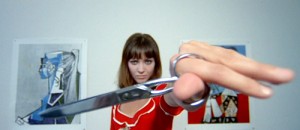
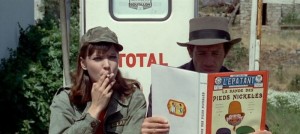
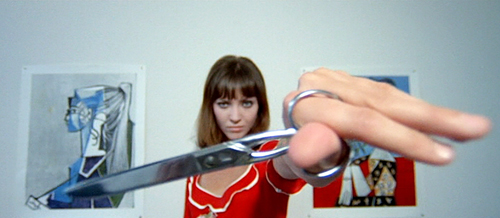
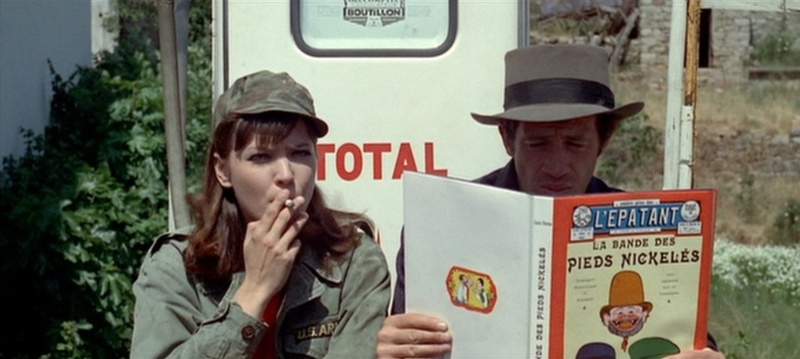
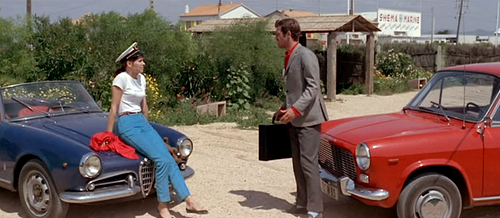
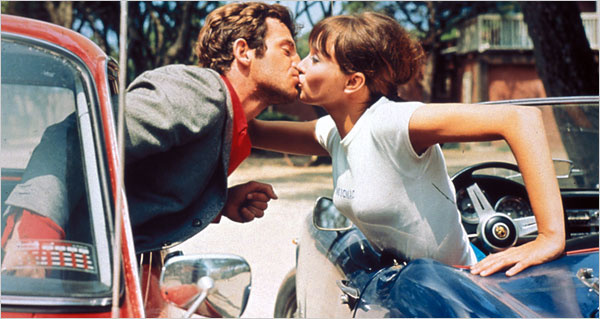
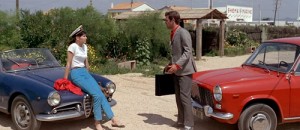
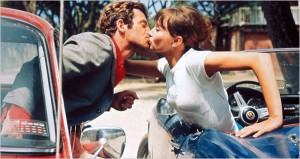
“I wanted to tell the story of the last romantic couple,” Jean-Luc Godard said of this brilliant, all-over-the-place adventure and meditation about two lovers on the run (Jean-Paul Belmondo and Anna Karina). Made in 1965, this film, with its ravishing colors and beautiful ‘Scope camerawork by Raoul Coutard, still looks as iconoclastic and fresh as it did when it belatedly opened in the U.S. Godard’s misogynistic view of women as the ultimate betrayers is integral to the romanticism in much of his 60s work — and perhaps never more so than here — but Karina’s charisma makes this pretty easy to ignore most of the time. The movie’s frequent shifts in style, emotion, and narrative are both challenging and intoxicating: American director Samuel Fuller turns up at a party scene to offer his definition of cinema, Karina performs two memorable songs in musical-comedy fashion, Belmondo’s character quotes copiously from his reading, and a fair number of red and blue cars are stolen and destroyed. In French with subtitles. 110 min. (JR)
 Read more
It’s really sad: Wikipedia had listings for no less than eight different men named John Berry when I originally posted this article, but the film director (1917-1999) wasn’t one of them (fortunately, this is no longer the case); and you won’t find an article about him in Senses of Cinema’s Great Directors, either. I can’t say I knew the man well. but I consider myself fortunate to have spent some time with him in a variety of places — including film festivals in Rotterdam and Vienna, in Paris, and even one enjoyable evening at a jazz disco in Taipei. His accounts of his experiences with Orson Welles in the Mercury Theater -– which included several hours of holding up scenery during the shooting of Too Much Johnson — were priceless.
The following comes from the February 2, 2001 issue of the Chicago Reader. — J.R.
 Boesman & Lena ***
Directed by John Berry.
Written by Athol Fugard and Berry.
With Danny Glover, Angela Bassett, and Willie Jonah.

Director John Berry got his big start as an actor in Orson Welles’s Mercury Theatre in 1937. Welles then introduced him to film in 1938 when he hired him as assistant director on a silent slapstick film made to accompany and introduce portions of the stage farce Too Much Johnson. Read more