From the Chicago Reader (April 1, 1996). — J.R.
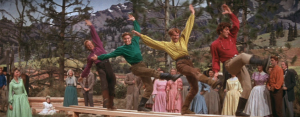
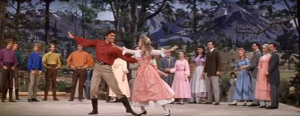
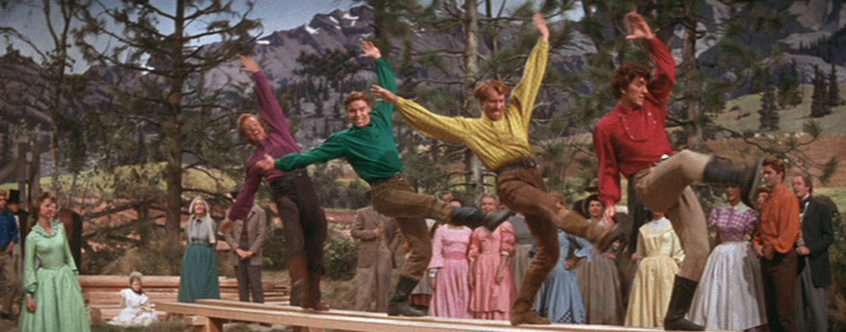
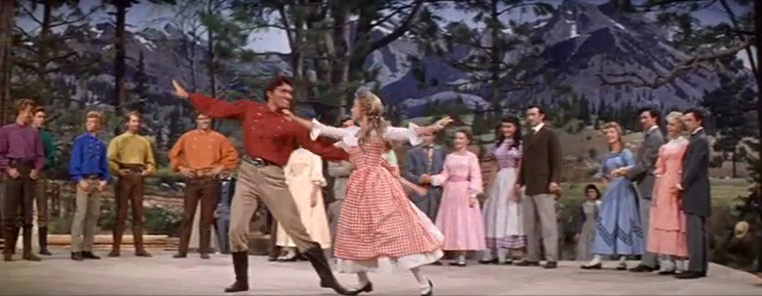
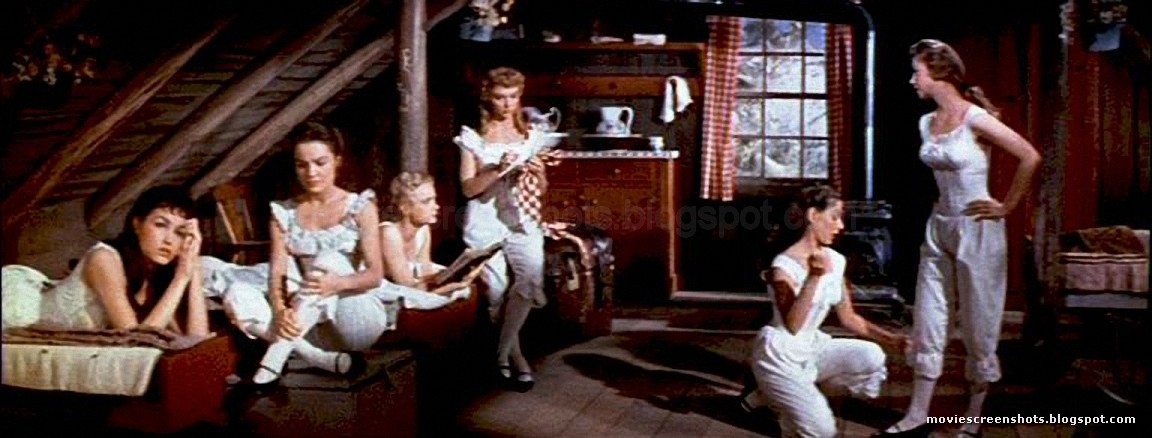
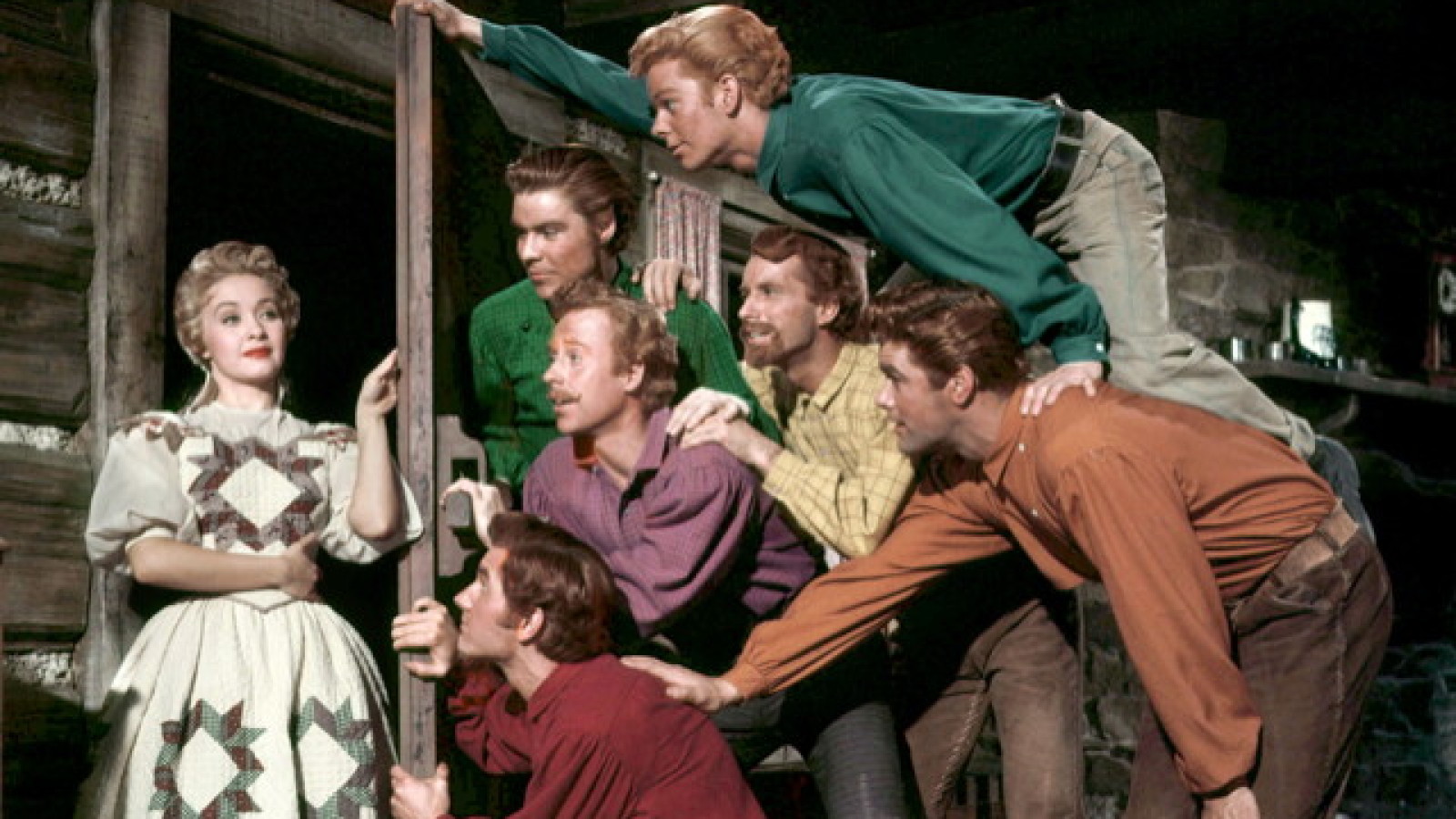
A profoundly sexist and eminently hummable 1954 CinemaScope musical — supposedly set in the great outdoors, but mainly filmed on soundstages — with some terrific athletic Michael Kidd choreography and some better-than-average direction by Stanley Donen. Based on a story by Stephen Vincent Benet (who took the plot from the rape of the Sabine women), it concerns six fur-trapping brothers who go to town to find wives after big brother Howard Keel marries Jane Powell; they wind up kidnapping them. A fascinating glimpse at the kind of patriarchal rape fantasies that were considered cute and good-natured at the time, performed to the music of Johnny Mercer and Gene DePaul. With Russ Tamblyn, Virginia Gibson, and Tommy Rall. 103 min. (JR)

 Read more
From the Chicago Reader (April 1, 1988). — J.R.
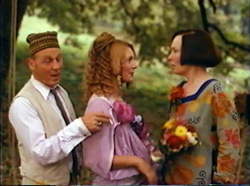

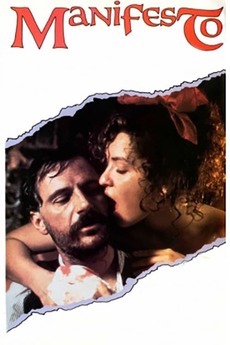
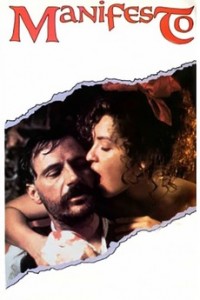
Dusan Makavejev’s 1988 comedy, his first film to be shot in his native Yugoslavia in 18 years, is easily his most pleasurable work since WR: Mysteries of the Organism, albeit without the intellectual ambitions of that or any of his earlier Yugoslav works. The major premise here is that eastern Europe of the 20s is not something we know from history so much as from Hollywood — specifically the imaginary countries of Lubitsch and Million Dollar Legs during the 30s. The influence of Lubitsch (who once pointedly remarked that he preferred Paris, Paramount, to Paris, France) is apparent from the opening intertitle, and if the plot of Manifesto remains pretty inconsequential — a network of sexual and political intrigues involving murders, numerous sexual liaisons, an insane asylum, assassination attempts, and garden parties that never leads to any satisfactory conclusion — the sexiness, wit, lush rural settings, and style keep it bubbling throughout. Camilla Soeberg (Twist and Shout) is especially good as a wealthy and promiscuous political schemer; others in the cast include Eric Stoltz, Alfred Molina, Simon Callow, and Lindsay Duncan. (JR)
 Read more
From the Chicago Reader (October 31, 2003). — J.R.
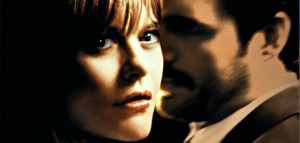
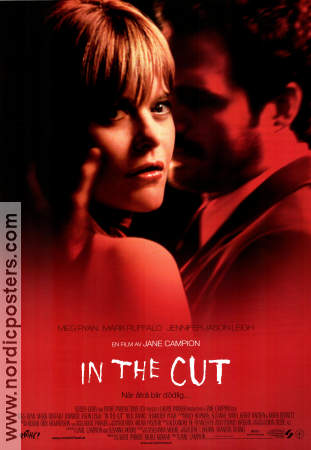
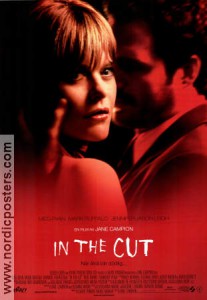
One can easily pick apart this Jane Campion adaptation of a thriller by Susanna Moore: it isn’t very satisfying as a thriller, and certain details — like the heroine assigning Virginia Woolf’s To the Lighthouse to her inner-city high school students — come across as just plain silly. But I still consider this the best (which also means the sexiest) Campion feature since The Piano, featuring Meg Ryan’s finest performance to date and an impressive one by Mark Ruffalo. Scripted by Moore and Campion, it takes on the unfashionable question of what sex means for a single woman drifting into middle age, and what it says on the subject veers from the obvious to the novel. Campion is better with moods than with plot, and her capable handling of some actors (including Jennifer Jason Leigh and an uncredited Kevin Bacon) ameliorates the hyperbolic characters they’re asked to play. R, 118 min. (JR)
 Read more
From the Chicago Reader (August 24, 1990). — J.R.
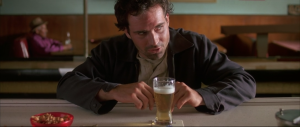
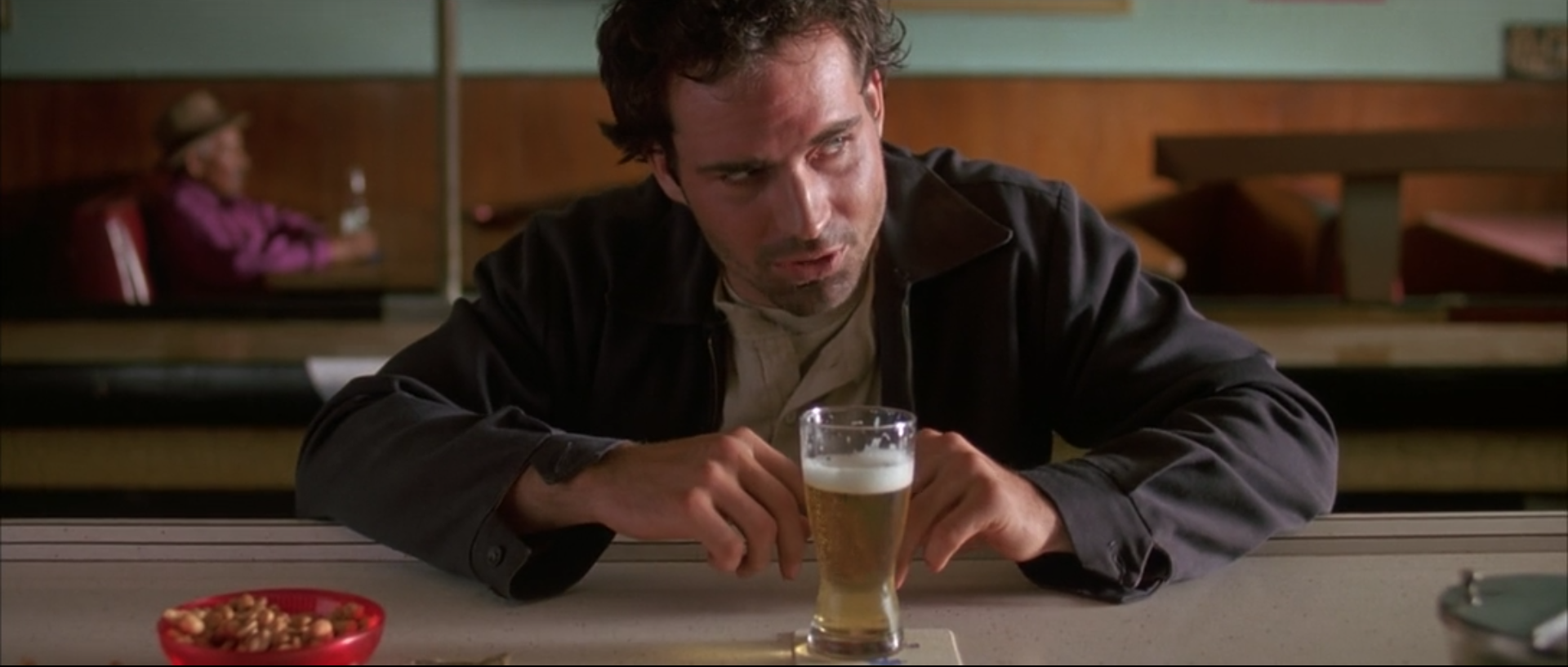
Although there are times when one feels that the filmmakers have bitten off a little more than they can chew, this is a bold, watchable adaptation (by director James Foley and coproducer Robert Redlin) of a noirish thriller by Jim Thompson that comes surprisingly close to capturing the grisly, hard-boiled, and unstable world of that author — thanks in part to a sharp feeling for sensual detail that includes everything from wet, squishy kisses to a scummy unused swimming pool. (Cinematographer Mark Plummer works wonders with light and scenery in striking ‘Scope compositions.) Jason Patric, calling to mind a slightly heavier James Dean at a low flame, stars as a former boxer who has escaped from an insane asylum; whether he’s actually nuts or merely on the edge is one of the central ambiguities that keep the plot moving, and the fact that he narrates the story off-screen in classic noir fashion only complicates one’s uncertainty. He falls in with a salty, alcoholic English widow (Rachel Ward) and a small-time con man and ex-cop (Bruce Dern) in southern California who are plotting to kidnap a little boy from a wealthy family, and paranoia and other complications start to unravel the trio’s uneasy rapport. Read more
From the Chicago Reader (March 1, 1988). — J.R.
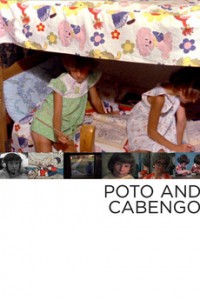
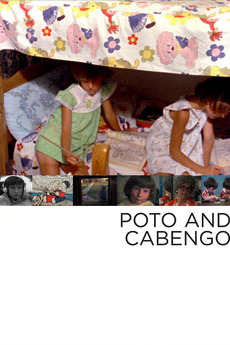
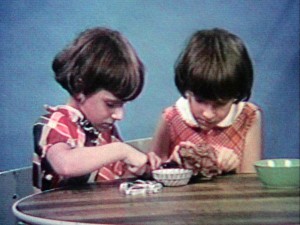
Jean-Pierre Gorin’s first solo effort as a filmmaker after a long period of collaboration with Jean-Luc Godard surpassed all of his previous work hands down. The putative subject is a pair of young female twins in southern California who have apparently invented their own language, and while this personal documentary explores this subject in some detail, it proves to be about a great deal more: Gorin’s own exile, the lower-income white culture of San Diego, the American Dream, and language itself. A memorable, innovative effort, packed with wonder and invention (1979). (JR)
 Read more
From the Chicago Reader (October 1, 1989). — J.R.
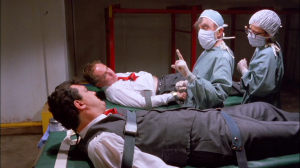
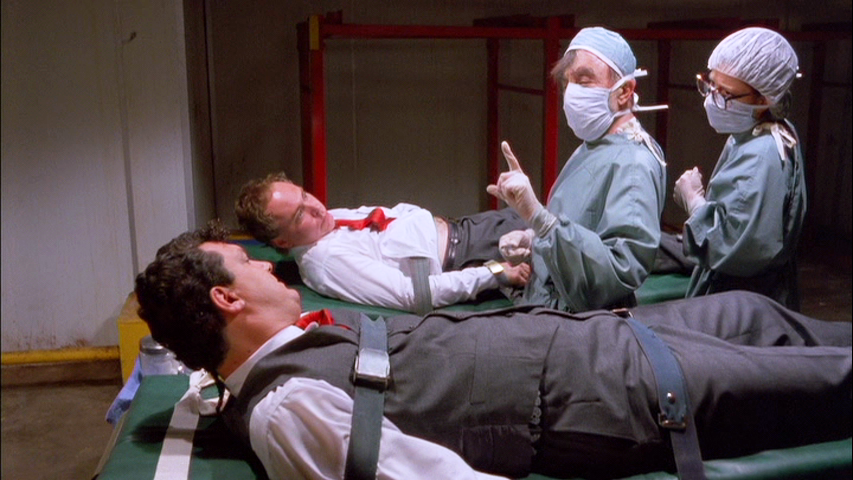
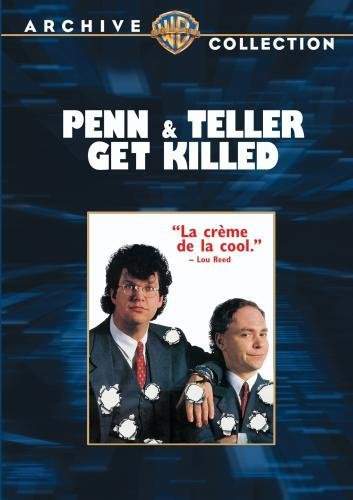
Whether this goofy 1989 black comedy is a total success is debatable, but you’ve got to admit it’s different. Postmodern comic magicians Penn Jillette and Teller play themselves in a script of their own devising, which is deftly delivered by director Arthur Penn (Bonnie and Clyde, Night Moves). After Jillette brazenly announces on national TV that his life would be more exciting if someone tried to kill him, a bizarre series of murder attempts ensues during an engagement in Atlantic City, and it becomes increasingly difficult to determine who’s pulling the strings. Deconstructing illusion, Penn and Teller’s stock in trade, becomes the modus operandi of the plot — like a farcical version of House of Games, with heaps of good-natured gore added and a literally unbelievable grand finale — and the dynamic duo make the most of it. With Caitlin Clarke, David Patrick Kelly, Leonardo Cimino, and Celia McGuire. (JR) 90 min.
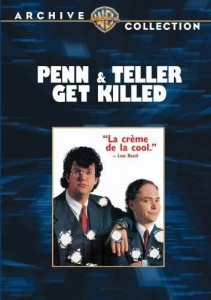 Read more
From the Chicago Reader (September 1, 1988). — J.R.

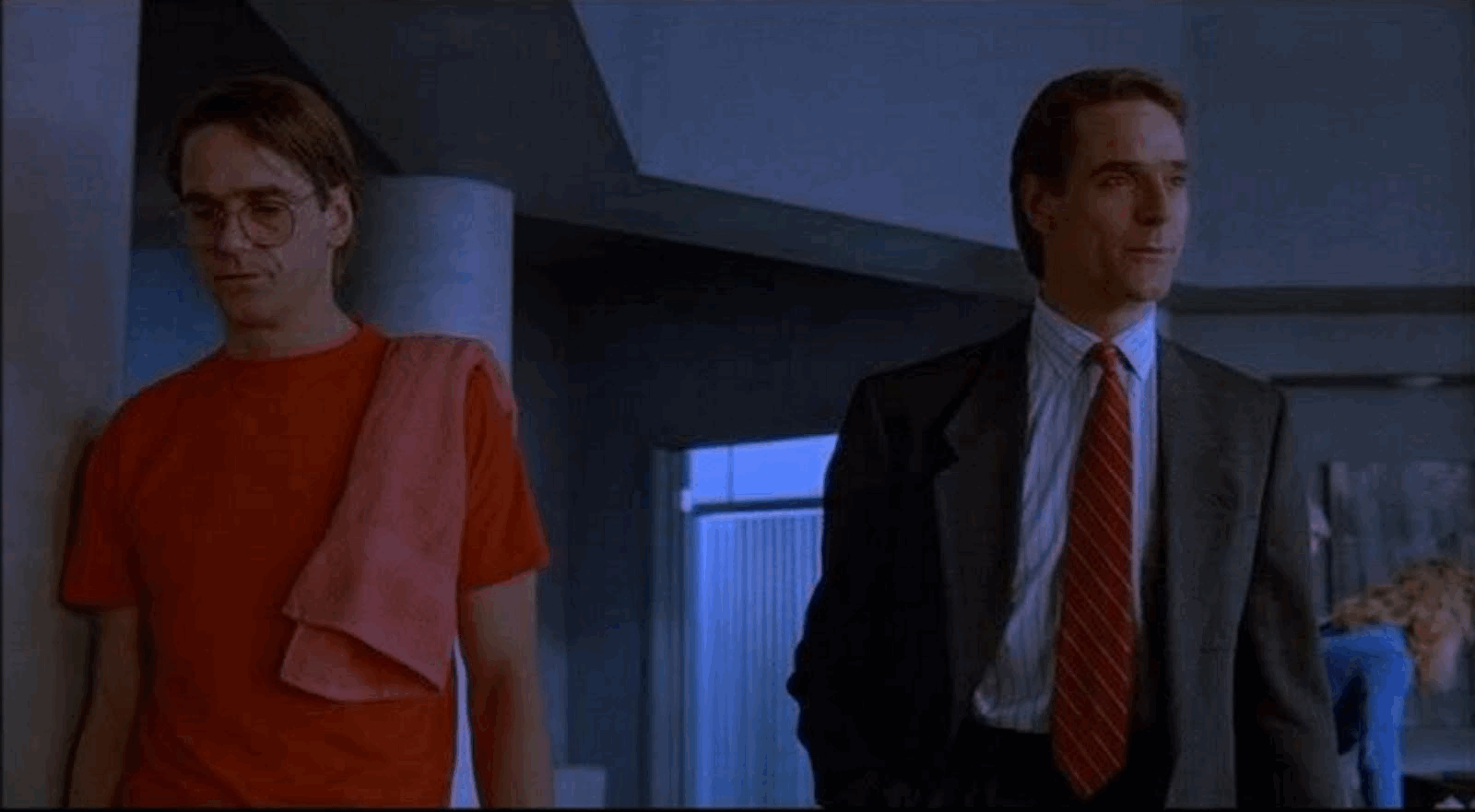
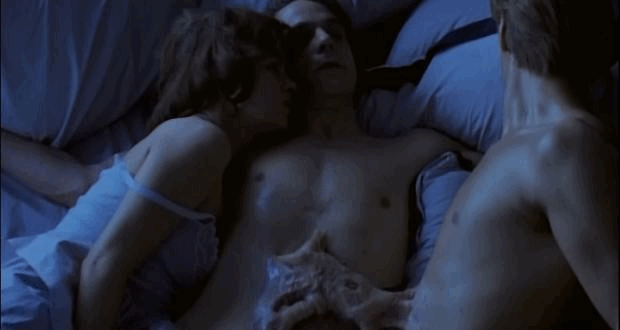
David Cronenberg’s finely tuned psychological thriller (1988, 115 min.) explores the complex lives of two gynecologists, identical twins (both played by Jeremy Irons) who share everything from their lovers to their successful fertility clinic. Their close mutual ties become challenged when both are attracted to the same actress (Genevieve Bujold). A tour de force — especially for Irons, whose sense of nuance is so refined that one can tell almost immediately which twin he is in a particular scene — and the special effects involving both twins simultaneously are so well handled that one quickly forgets about the underlying illusion. But the sheer unpleasantness of the plot, inspired by a real-life case, guarantees that this isn’t a film for everyone, and people like myself who find the character played by Bujold (in one of her best performances) more interesting than either of the twins are bound to feel rather frustrated by the end. (JR)
 Read more
From the Chicago Reader (December 1, 1988). — J.R.
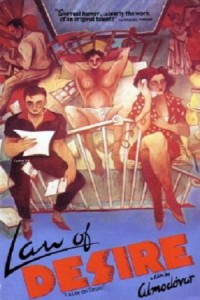
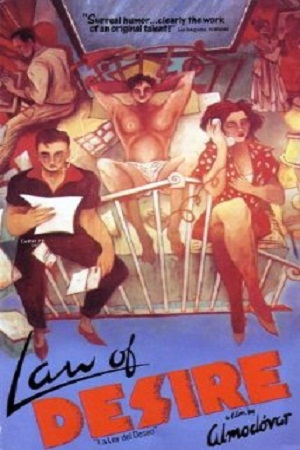
Pedro Almodovar’s vibrant treatment of gay life in post-Franco Madrid has a lot to recommend it, but little of this has to do with its contrived plot, which bears a queasy resemblance to the earlier Fatal Attraction and resorts to hackneyed devices such as amnesia. What keeps this 1987 movie alive are the characters: a porn director (Eusebio Poncela); his transsexual sister and onetime brother (the wonderful Carmen Maura), whom he casts as the lead in his stage production of Cocteau’s The Human Voice; a devout little girl (Manuela Velasco), whom the sister takes over from her lesbian ex-lover (Bibi Andersen) as her own; the director’s working-class lover (Miguel Molina); and the lover’s neurotic replacement (Antonio Banderas), who causes all the trouble. It’s typical of Almodovar’s wit that he casts a man as the little girl’s real mother and a woman as her false one. In Spanish with subtitles. NC-17, 97 min. (JR) Read more
In Neuroses Begin Responsibilities—and Movies
By Jonathan Rosenbaum
Dec 26, 20016:19 PM
Dear David (and Roger, Sarah, and Tony),
I appreciate your evocation of Sept. 11 at the start of your letter—a defining moment for us all—as well as your conflicted thoughts about vigilantism, and how these impact on your movie tastes. For me, there’s no conflict of this kind, because I’m afraid revenge strikes me as something less than an adult aspiration or concern—accounting both for why I think Mandela’s South Africa is far ahead of the United States in this respect and why In the Bedroom, a very well-made film, doesn’t interest me much. (The only moment I recall making my pulse race was when Spacek slapped Tomei.) As you’re the first to point out, Osama Bin Laden is also obsessed with vengeance—though surely not just for “slights against his brand of Islam.” Other beefs might include the deaths of about a million innocent Iraqis (the American Friends Service Committee’s estimate last spring)—collateral damage that Madeleine Albright told us she had no regrets about, despite the fact that it arguably only strengthened Saddam Hussein—as well as many other lethal forms of meddling in the Middle East, some of them slights against both humanity and common sense. Read more
From the Chicago Reader (September 21, 1998). — J.R.
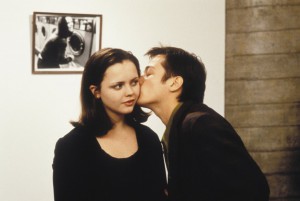
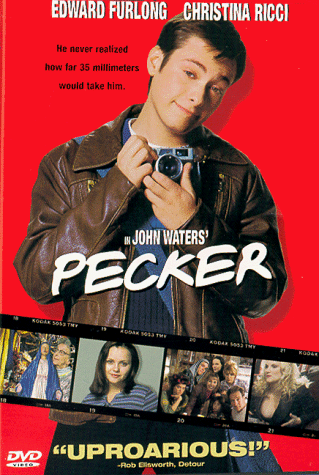
John Waters’s laid-back comedy and ultimate anti-New York statement (1998) concerns a young sandwich maker (Edward Furlong) whose amateurish photos of his working-class life in Baltimore are discovered by the New York art world (mainly through a dealer played with wonderful understatement by Lili Taylor). Waters builds to a didactic message that he underlines with Disney-esque dream dust (in various colors), as if to protect his sincerity with the disclaimer of self-mockery. Always a better writer than director, Waters makes me laugh even when he’s dawdling, and though this is no Hairspray there’s a lot of good-natured funny stuff here about the hero’s sugar-addicted kid sister, his fag-hag older sister (Martha Plimpton), the girlfriend who runs a laundromat (Christina Ricci), and other local eccentrics. It’s a low-key effort compared to a hyperraunch festival like There’s Something About Mary, but that movie could never have existed without Waters’s shining example. (JR)
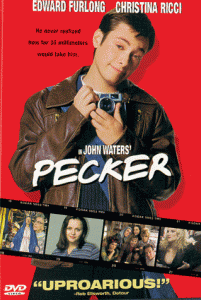 Read more
From the Chicago Reader (April 23, 2004). — J.R.
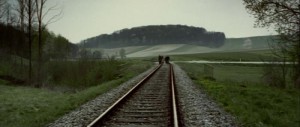
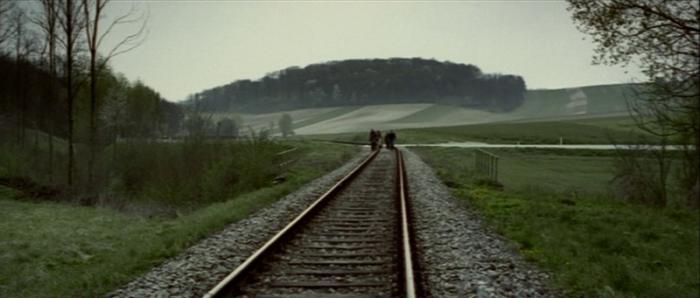
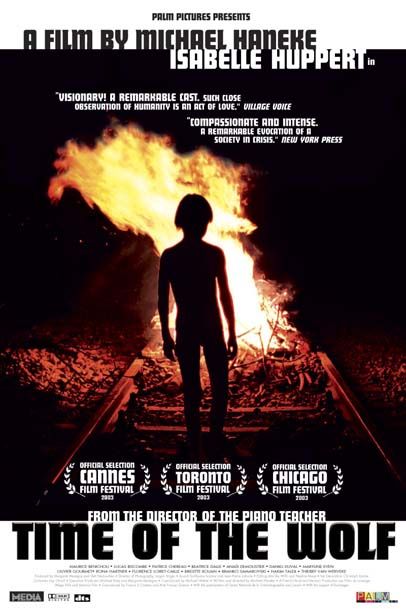
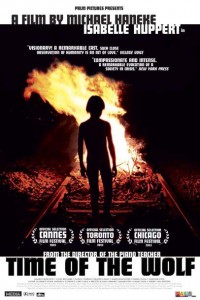
Michael Haneke’s best films — like The Seventh Continent and Code Unknown — tend to create their own world and their own rules, whereas others — like Benny’s Video, Funny Games, and this postapocalyptic tale — offer variations on films others have already made. But Haneke is still a masterful director, and his authority carries this well-acted and attractively shot account of a family from an unnamed city trying to survive in the sticks after an unspecified catastrophe. (Some have criticized the lack of explanation, but the relatively lame and familiar backstories of most such movies hardly seem an improvement.) We’ve seen much of this before, but Haneke’s theme of civilization gradually sliding away remains timely. With Isabelle Huppert and Patrice Chereau; most of the dialogue is in subtitled French. 110 min. A 35-millimeter ‘Scope print will be shown. Gene Siskel Film Center.
 Read more
From the Chicago Reader (November 1, 1990). — J.R.
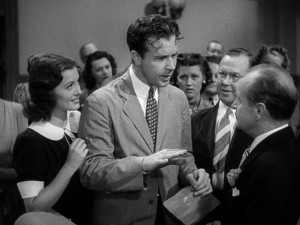
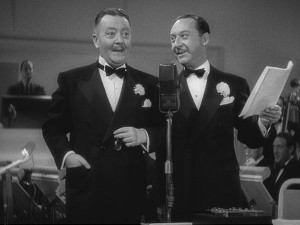
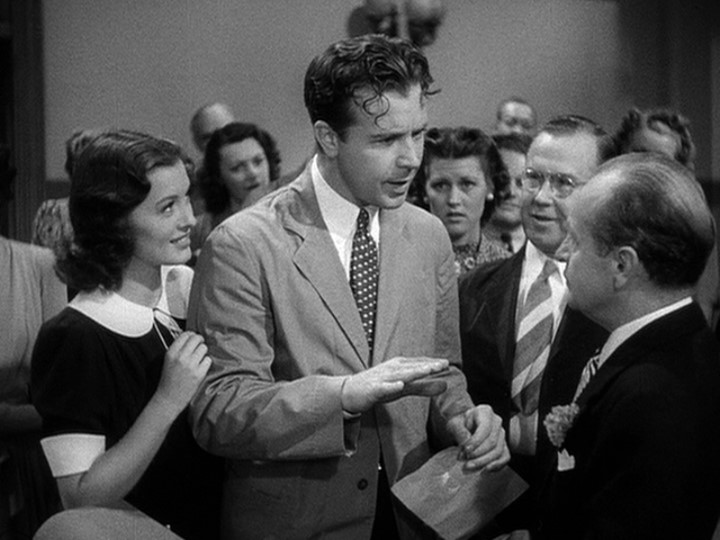
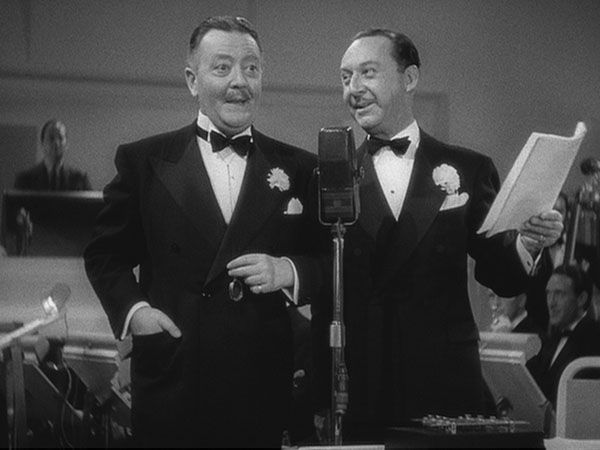
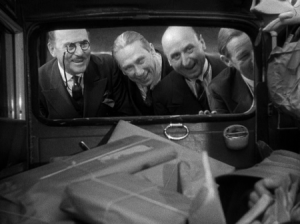
Preston Sturges’s second feature as writer-director (1940, 66 min.) is in many ways the most underrated of his movies — a riotous comedy-satire about capitalism that bites so deep it hurts. An ambitious but impoverished office clerk (Dick Powell) is determined to strike it rich in a contest with a stupid slogan (“If you can’t sleep at night, it isn’t the coffee, it’s the bunk”). He’s tricked by a few of his coworkers into believing that he’s actually won, promptly gets promoted, and proceeds to go on a shopping spree for his neighbors and relatives. Like much of Sturges’s finest work, this captures the mood of the Depression more completely than most 30s pictures, and the brilliantly polyphonic script repeats the hero’s dim-witted slogan so many times that it eventually becomes a kind of crazed tribal incantation. As usual, Sturges’s supporting cast (including Ellen Drew, William Demarest, and Raymond Walburn) is luminous, and he uses it like instruments in a madcap concerto. (JR)
 Read more
From the Chicago Reader (June 1, 2001). — J.R.
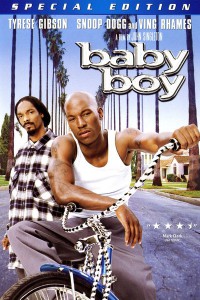
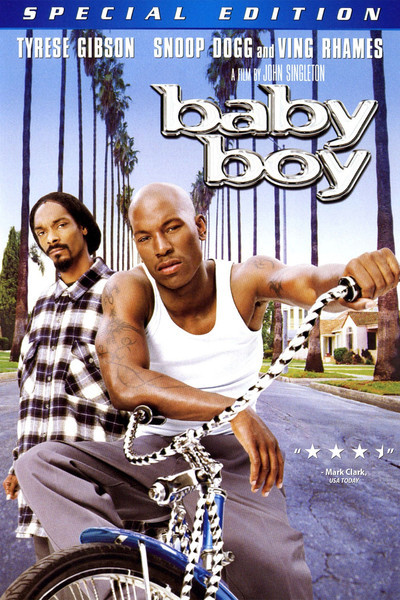
Like John Singleton’s other features, this is far from flawless; at 129 minutes it’s longer than it needs to be, and the music hits you like a sledgehammer at moments when any music at all is redundant and something of an insult. But the characters are so full-bodied and the feelings so raw and complex that I’d call this the best thing he’s done to dateby which I mean the most convincing and serious, telling us at least as much about everyday life in South Central Los Angeles as did Boyz N the Hood, his first movie. The title character, well played by Tyrese Gibson, is a 20-year-old with a pronounced Oedipus complex who lives with his 36-year-old mother (A.J. Johnson), has fathered two kids with separate girlfriends (Taraji P. Henson and Tamara LaSeon Bass), and starts to feel crowded when his mother falls for a reformed gangster (Ving Rhames, also especially good). Sexually explicit both visually and aurally, this shows rare inventiveness in exploring one character’s fantasies during an orgasm. With Omar Gooding and Snoop Dogg. (JR) Read more
Here’s a link to this short video — broadcast on March 3, 2019, and directed by Mehrnaz Saeed-Vafa — without Persian voiceovers:
https://www.facebook.com/jonathan.rosenbaum.18/posts/10156418932724926?notif_id=1551589585224363¬if_t=feedback_reaction_generic
I usually use Facebook to promote my posts here, but this time I’m doing the reverse. — J.R.
[03/03/2019] Read more
From the Chicago Reader (January 19, 1998). — J.R.
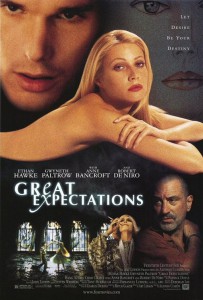
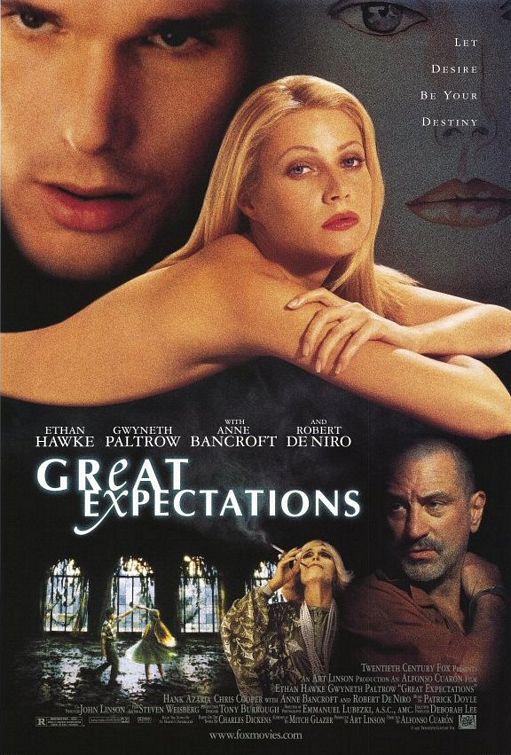
A reductio ad absurdum of the recent trend of idea-starved producers to plunder 19th-century English fiction — a movement that to my mind has justified itself only with Clueless, and in this case makes Charles Dickens look like a weak second cousin to John Grisham. In fact, so little of the novel is dealt with in this updated adaptation, and so much of that little is mauled, that it might have made more sense to do a remake of Youngblood Hawke, the sort of wet dream this movie is really craving to approximate. Ethan Hawke plays a young gulf-coast artist (formerly known as Pip) lured to the Big City, Gwyneth Paltrow plays cruel Estella (the only character allowed to keep the same name), and Anne Bancroft can’t be blamed for the incoherent version of Miss Havisham assigned to her by Mitch Glazer’s stupid script (though perhaps Robert De Niro, playing the convict, can be blamed for reminding us of Cape Fear). A horrendous effort all around, though a couple of the locations — notably a Venetian Gothic mansion on Sarasota Bay — are suggestive. Alfonso Cuaron, who did a far better job with A Little Princess, directed. Read more