From the Chicago Reader (January 15, 1993). — J.R.
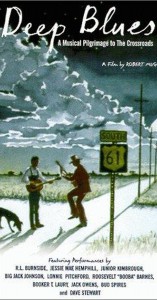
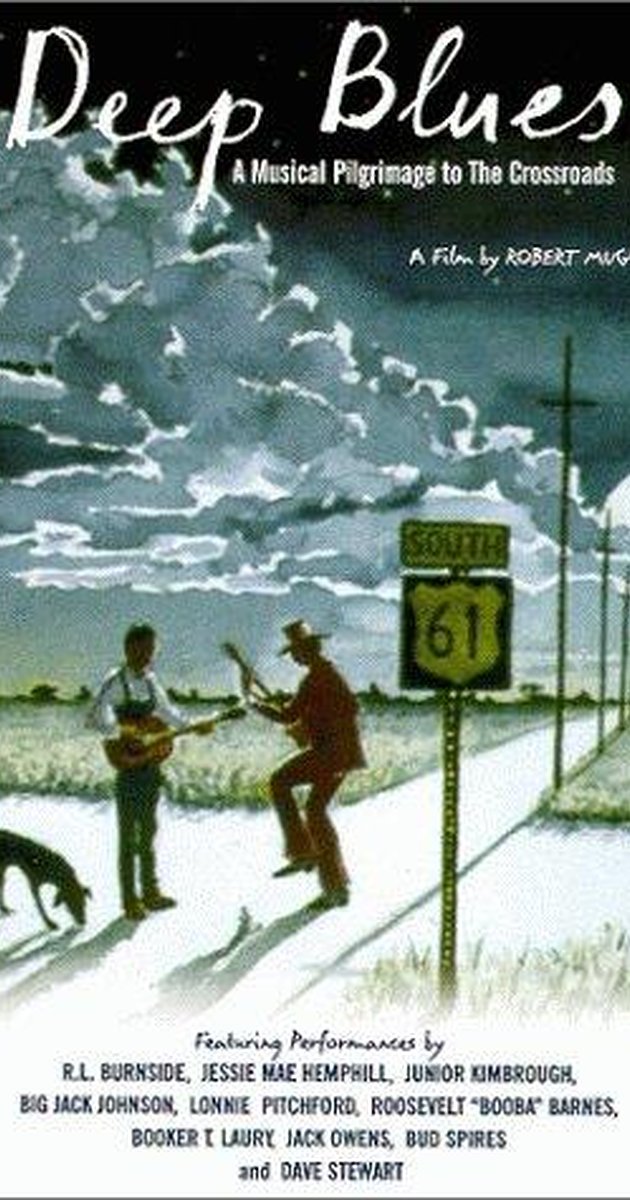
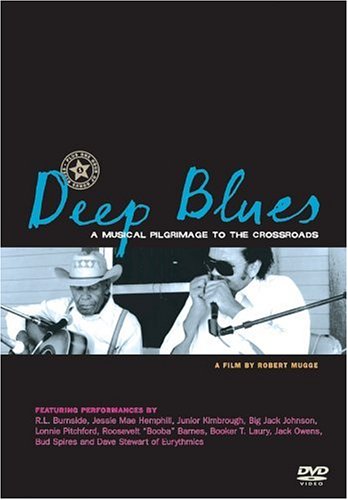
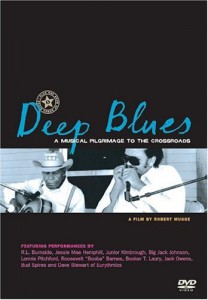
Blues buffs have some genuine cause for rejoicing: Robert Mugge’s 1991 documentary about blues performers in the Mississippi Delta, made for England’s Channel Four, contains some of the best blues I’ve ever heard or seen on film. Using blues critic and historian Robert Palmer — accompanied by Dave Stewart (of the Eurythmics) — as tour guide, the film proceeds from a sadly gentrified Beale Street in Memphis to funky Mississippi outposts like Holly Springs, Greenville, Clarksdale, and Betonia, where we’re treated to brief interviews with and extended live performances by Booker T. Laury, R.L. Burnside, Jessie Mae Hemphill, Junior Kimbrough, Roosevelt “Booba” Barnes and the Playboys, “Big” Jack Johnson, Jack Owens, Bud Spires, and Lonnie Pitchford. Palmer wears his erudition lightly, but he’s very good on the African origins of such things as the word “juke” and the homemade blues instrument called the diddly bow. This isn’t anything special as cinema, but if you’re into blues it’s a bonanza. (Music Box, Friday through Thursday, January 15 through 21)
 Read more
From the Chicago Reader (March 27, 2000). — J.R.
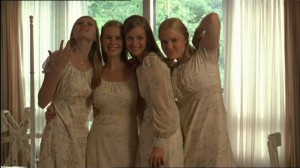
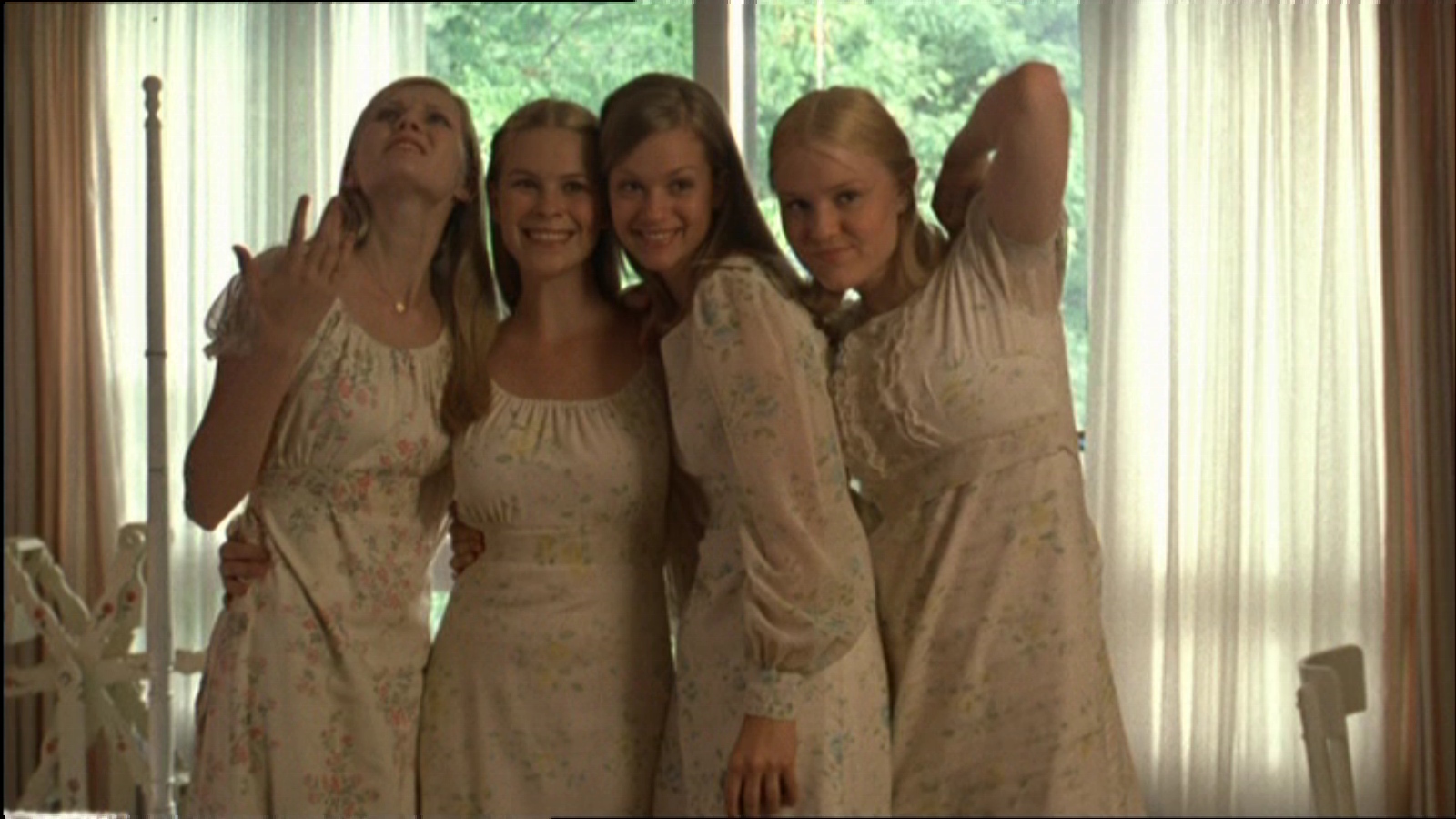
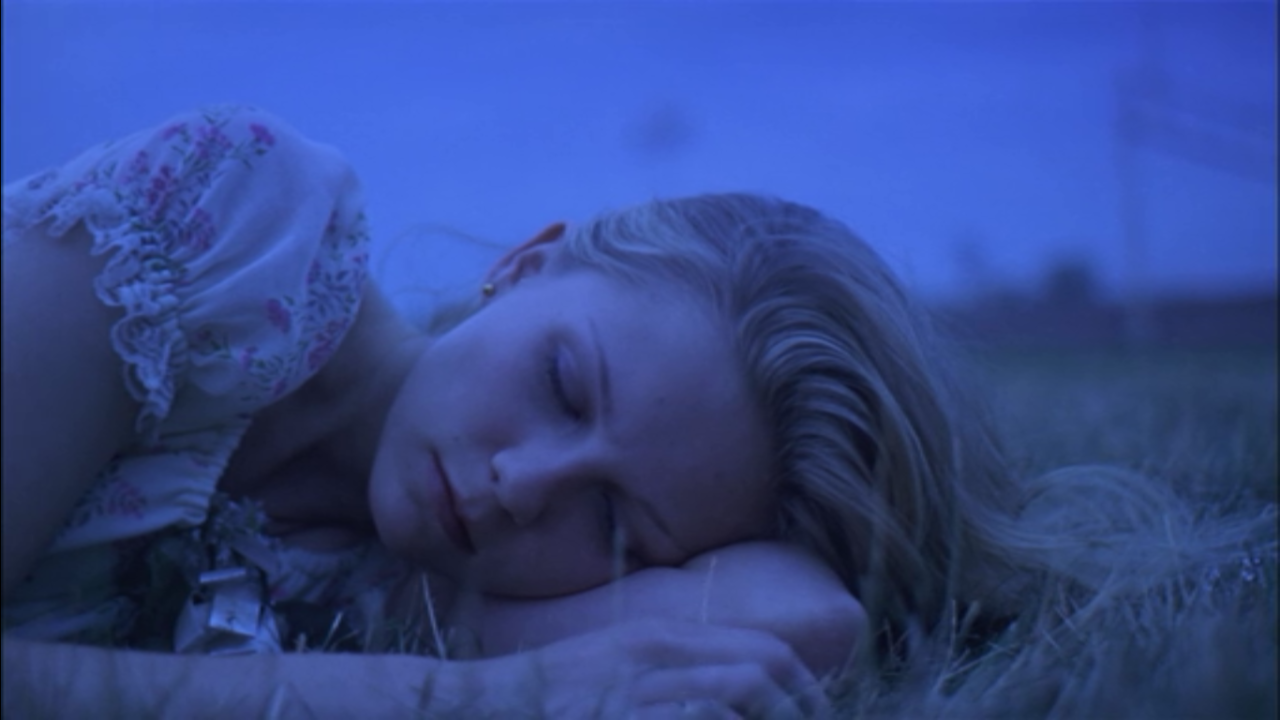
A very curious and eclectic piece of work — fresh even when it’s awkward — that’s built around an unsolved mystery, like Picnic at Hanging Rock. Adapted from a Jeffrey Eugenides novel by director Sofia Coppola, and set in small-town Michigan a quarter of a century ago, it focuses on five teenage sisters as perceived by some of their male classmates; James Woods and Kathleen Turner play the girls’ parents and Giovanni Ribisi narrates. With Kirsten Dunst, Hanna R. Hall, Chelsea Swain, A.J. Cook, Leslie Hayman, Josh Hartnett, Danny DeVito, and Scott Glenn. 96 min. (JR)
 Read more
From the June 1, 1999 Chicago Reader. — J.R.
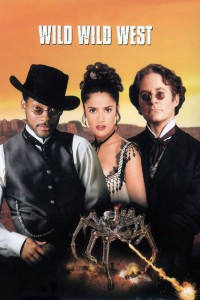
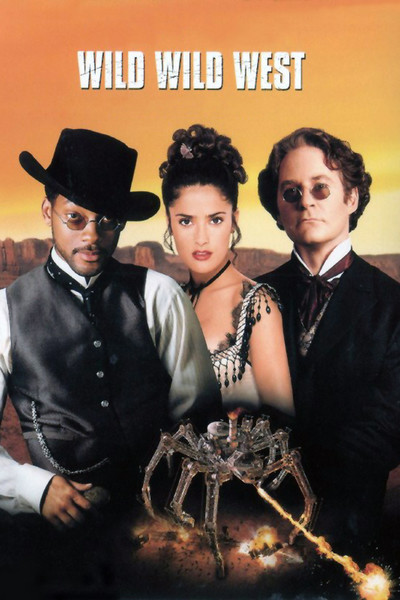
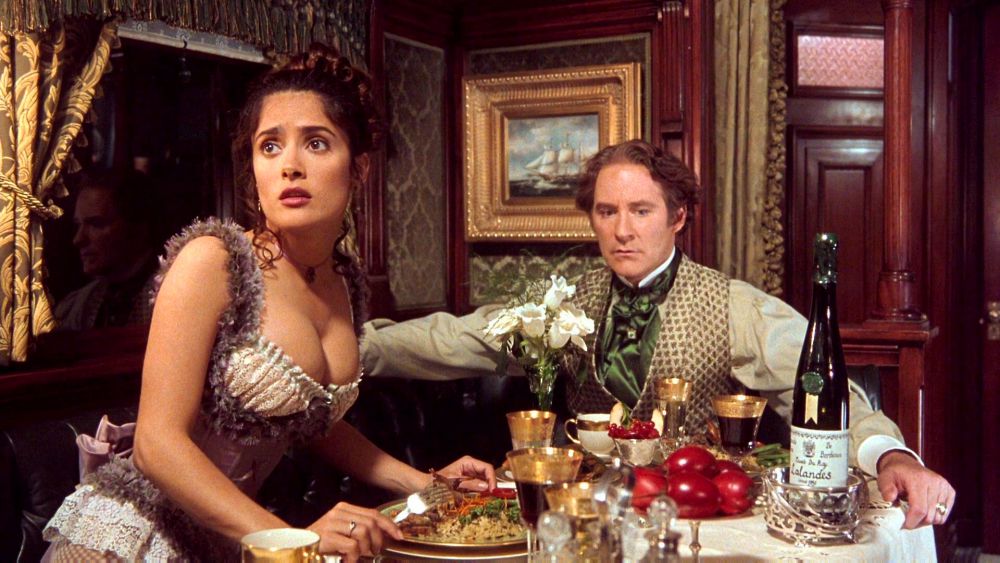
I never saw The Wild Wild West, a comic SF western series about two undercover agents working for President Grant that ran on TV from 1965 to 1970, but from the look of this sprightly spin-off it must have been pretty good. The director (Barry Sonnenfeld) and costar (Will Smith) of Men in Black join forces with Kevin Kline and half a dozen writers to yield an entertainingly offbeat blend of 19th-century science fiction and Hope and Crosby Road comedies (with Salma Hayek in the Dorothy Lamour part). The putative plot involves a mad scientist and Confederate sore loser reduced to an upper torso (Kenneth Branagh) who’s contriving to take over the United States with the aid of an 80-foot mechanical tarantula. Though the movie is as gadget happy as any Bond flick, the pictorial pleasures deriving from Bo Welch’s production design and Michael Ballhaus’s cinematography are central to its charms. This is even lighter stuff than Men in Black, but Sonnenfeld’s cheerful irreverence keeps it reasonable. (JR)
 Read more
From the Chicago Reader (January 1, 1990). — J.R.
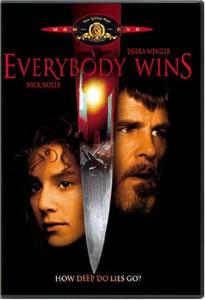
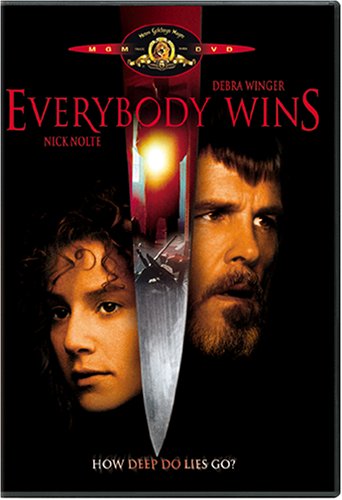
Although it’s far from being wholly satisfying, this bizarre, slow-moving thriller about a righteous detective (Nick Nolte) and a schizophrenic prostitute (Debra Winger) trying to uncover the corruption in a small town in Connecticut that sent an innocent young man to prison for a brutal murder — the first movie scripted by playwright Arthur Miller since The Misfits — has the virtue of coming across like a picture from another era: a 40s film noir, or a neurotic melodrama from the 50s. Directed by Karel Reisz (Morgan!, The French Lieutenant’s Woman) and produced by Jeremy Thomas (Insignificance, The Last Emperor), the film explores its subject atmospherically rather than analytically or in terms of slam-bang action, and what mainly makes it interesting isn’t so much its lame mystery plot as Winger’s character and performance — which manage to triumph over the femme fatale slot the part seems destined for — as well as a peculiar young religious outcast (Will Patton) whose preoccupations form the background to the murder. While parts of the overall conception (including the detective hero) seem innocent and dated, it’s still a welcome relief from the usual right-wing buddy-cops nonsense. Read more
Included in Sight and Sound‘s January 2017 issue and on its web site. — J.R.
1. Best Films
The Day Before the End
Year: 2016
Director(s): Lav Diaz
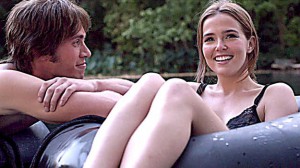
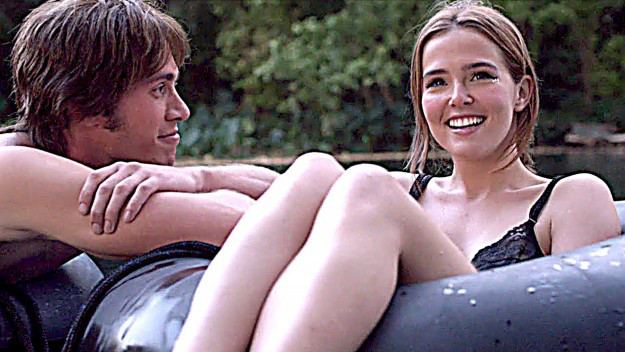
Everybody Wants Some!!
Year: 2016
Director(s): Richard Linklater
Aragane
Year: 2016
Director(s): Oda Kaori
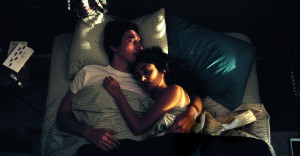
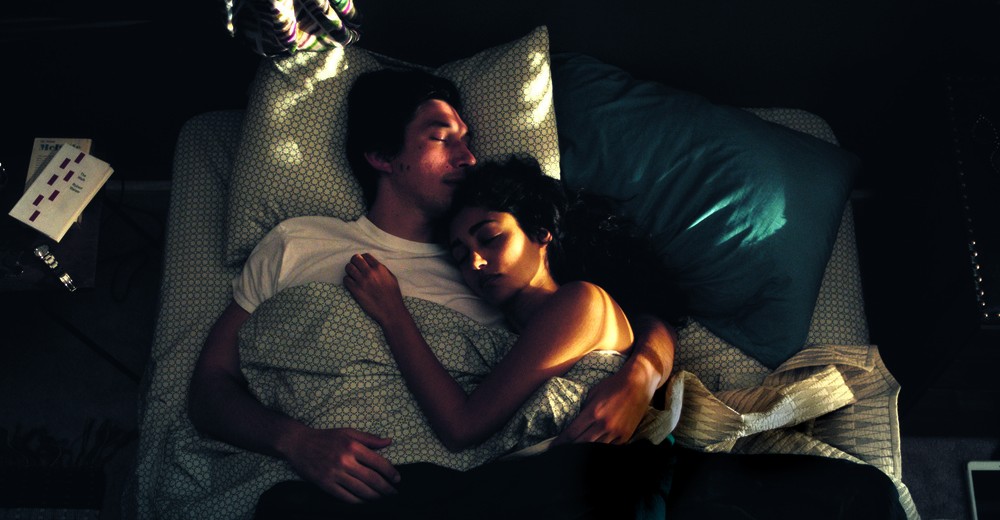
Paterson
Year: 2016
Director(s): Jim Jarmusch
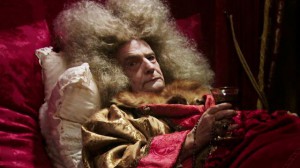
La Mort de Louis XIV
Year: 2016
Director(s): Albert Serra
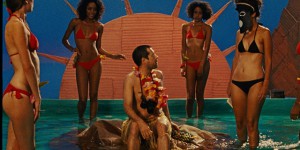
The first on my list, a short, I caught at the estimable Filmadrid; the third, a documentary by a former FilmFactory student of mine, I saw via a Vimeo link. Worthy runners-up would include João Nicolau’s John From, Barry Jenkins’ Moonlight, Whit Stillman’s Love & Friendship, and Kurosawa Kiyoshi’s Journey to the Shore — and perhaps certain other contenders I haven’t yet caught up with.
2. Best DVDs and Blu-Rays
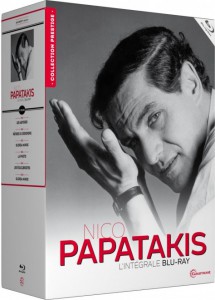
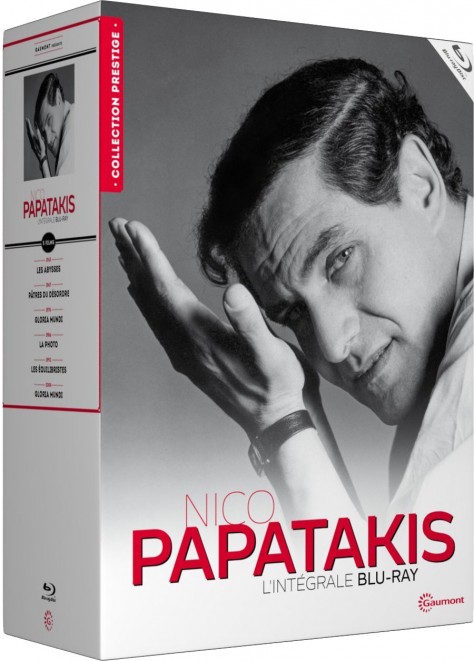
Nico Papatakis Box Set (France, 1963-92) (Gaumont Vidéo, DVD).
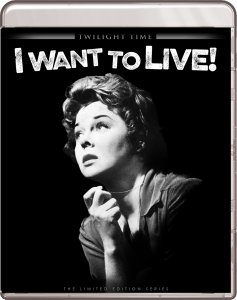
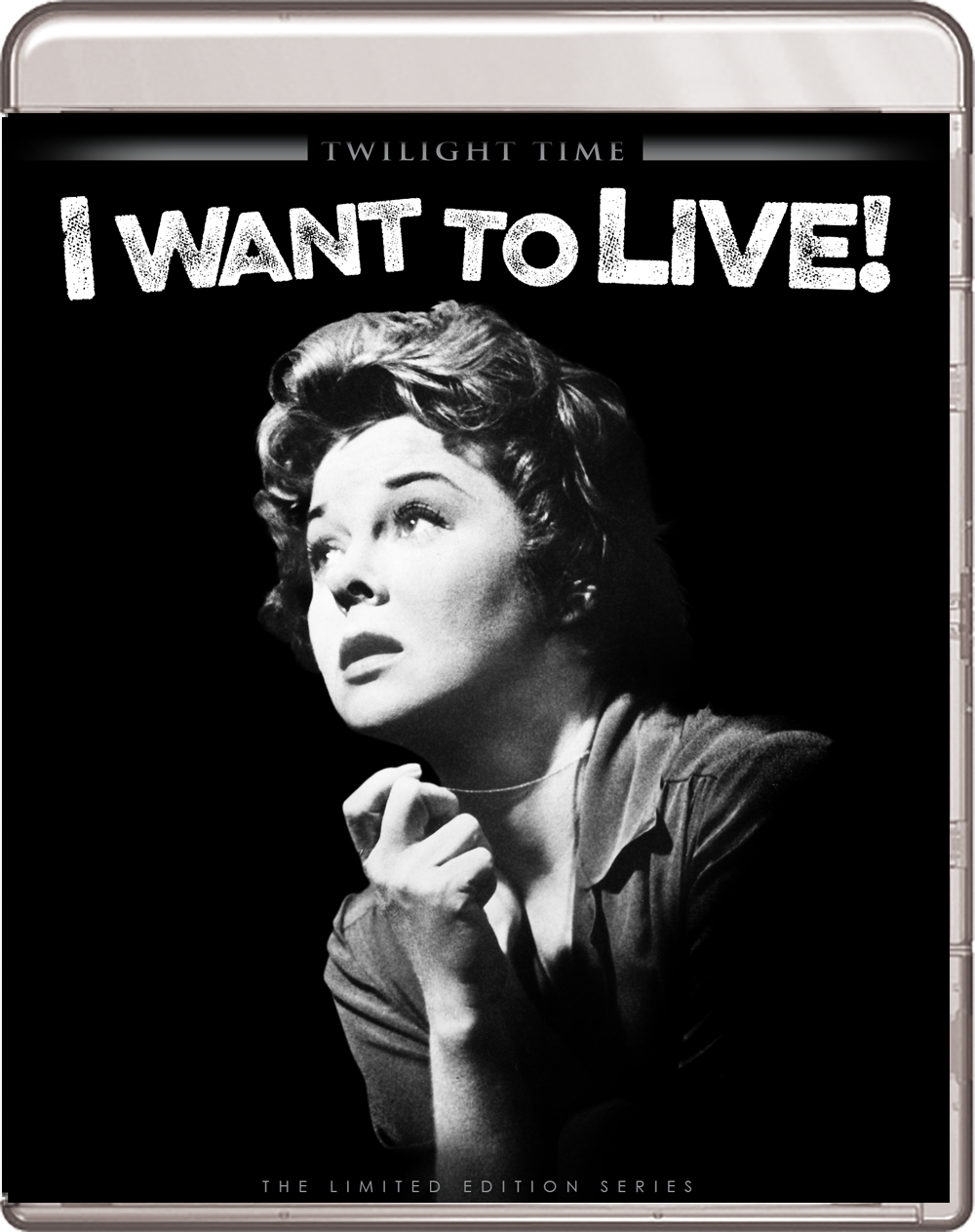
I Want to Live! (U.S., 1958) (Twilight Time, Blu-Ray)
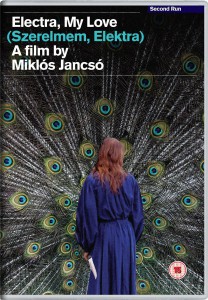
Electra, My Love (U.K., 1974) (Second Run Features, Blu-Ray).
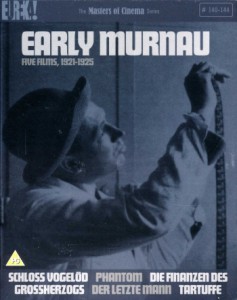
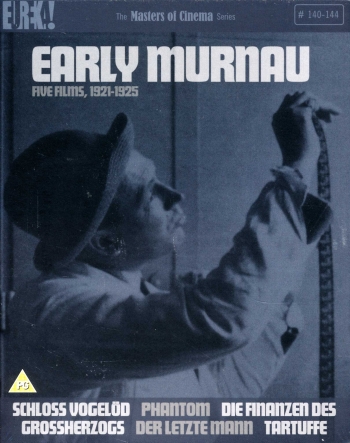
Early Murnau (U.K., 1921-1925) (Masters of Cinema, Blu-Ray box set)
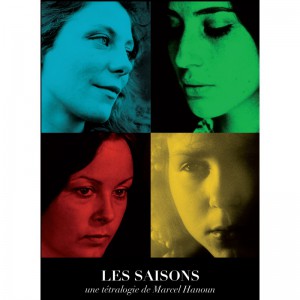
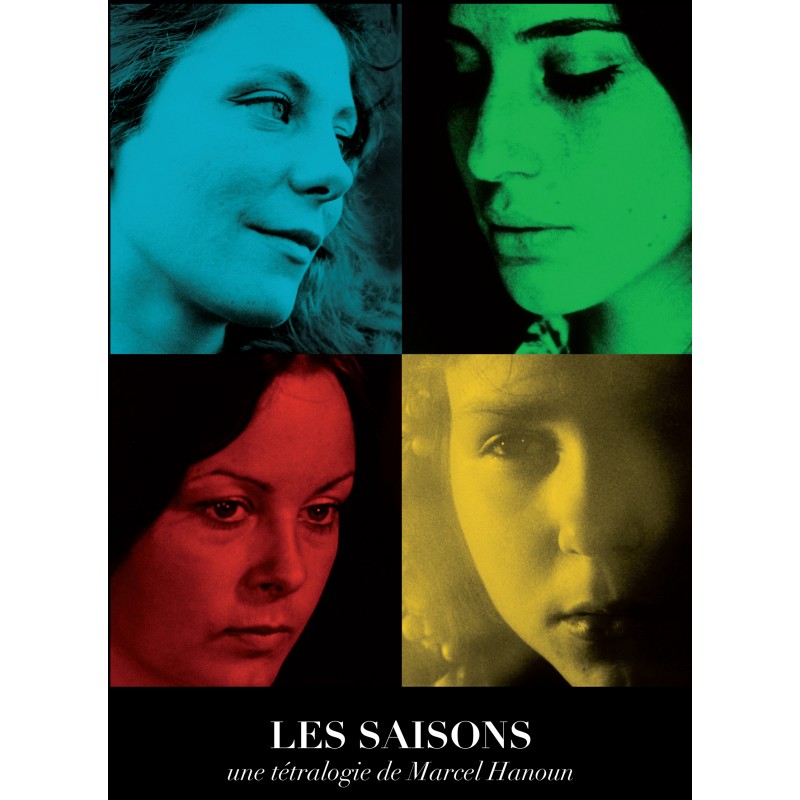
Marcel Hanoun: Les Saisons (France, 1968-1972) (Re:Voir, DVD)
Five exemplary releases condemned to obscurity by their resistance to being summarized in sound bites:
A comprehensive portrait of a singular filmmaker from Ethiopia and Greece (not simply a Greek, any more than Barack Obama is simply black), with excellent extras subtitled in English; a powerful piece of melodramatic filmmaking from Robert Wise that justifies its opening endorsement by Albert Camus; the first Miklós Jancsó Blu-Ray accorded to an exhilarating, colorful Hungarian musical pageant that unfolds in just a dozen shots; an essential package of five beautiful silent German features with many clarifying extras; and a neglected cycle of films by a major French independent. Read more