
Ebrahim Golestan’s Epic Tragedy of the 60s: BRICK AND MIRROR
Written for a booklet distributed at the 2018 Venice International Film Festival. — J.R.
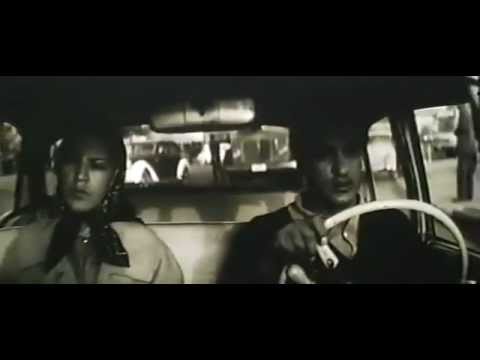
Most people reading these words have likely heard about the Iranian New Wave, which conjures up such names as Kiarostami, Makhmalbaf, and Panahi. But until recently, Westerners who have heard about the first Iranian New Wave, whose names include Farrokhzad, Golestan, Kimiavi, and Saless, have been few and far between. Apart from the belated availability in the West of Forough Farrokhzad’s 1962 short film The House is Black, this watershed prerevolution movement in Iranian cinema has almost been lost to history due to the abrupt European exiles of many of its other major artists — Ebrahim Golestan to England, Parviz Kimiavi to France, and Sohrab Shahid Saless to Germany. (Bahram Beizai, Dariush Mehrjui, and Amir Naderi are among the few filmmakers who might be stylistically associated with both waves, but given how seldom their own prerevolution films are seen nowadays, apart from Mehrjui’s The Cow, it’s difficult to say much about them.) Arguably even more innovative as well as more modernist than the second New Wave, and virtually contemporaneous with the French New Wave, Farrokhzad’s The House is Black (1962), Golestan’s Brick and Mirror (1963-64), Kimiavi’s The Mongols (1973), and Saless’ A Simple Event (1974) are masterworks that continue to speak to the present like few other films. Read more