Review of James Naremore’s CINEMA THEN AND NOW
James Naremore, Cinema Then and Now: Conversations with Craig S. Simpson, New York: Sticking Place Books, 2025, 254 pp., $20 cloth, $16 paper.
JONATHAN ROSENBAUM
Many book-length interviews with film critics have been appearing in vertically-shaped volumes from the highly energetic Sticking Place Books over the past couple of years, starting with Michel Ciment and already including Joseph McBride, Patrick McGilligan, Leonard Maltin, James Naremore, Gerald Peary, Pierre Rissient, myself, and David Sterritt so far — even more by the time this review reaches print. Thanks to an inclusive policy that allows Maltin, Naremore, and Rissient to rub shoulders, there’s also a variety of lengths ranging from Rissient’s (167 pages) to McBride’s (730 pages), suggesting a welcome freedom from standardized formats and a willingness to let each volume establish its own rules and priorities. It appears that the critics have been invited to
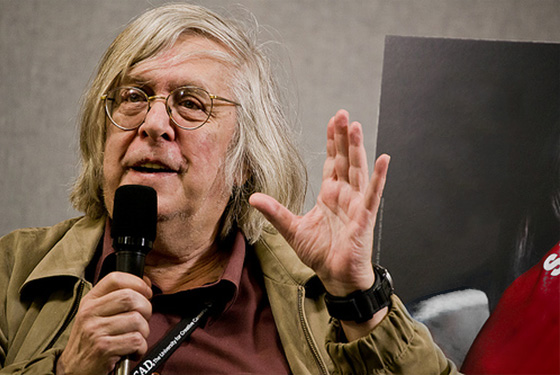
pick their own interviewers. Naremore selected Craig S. Simpson, a former colleague and former manuscript archivist at Indiana University’s Lilly Library, and part of what makes this book an enjoyable page-turner in spite of its boilerplate title are the relaxed and sometimes playful discussions between these friends, even when they disagree (Simpson, for instance, likes both Robert Altman and Pauline Kael, unlike Naremore). Read more