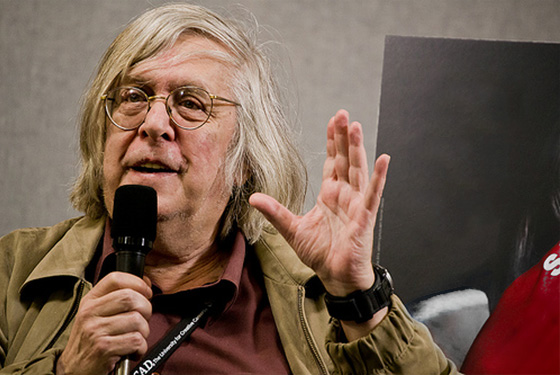
Satchmo’s Politics, and Ours
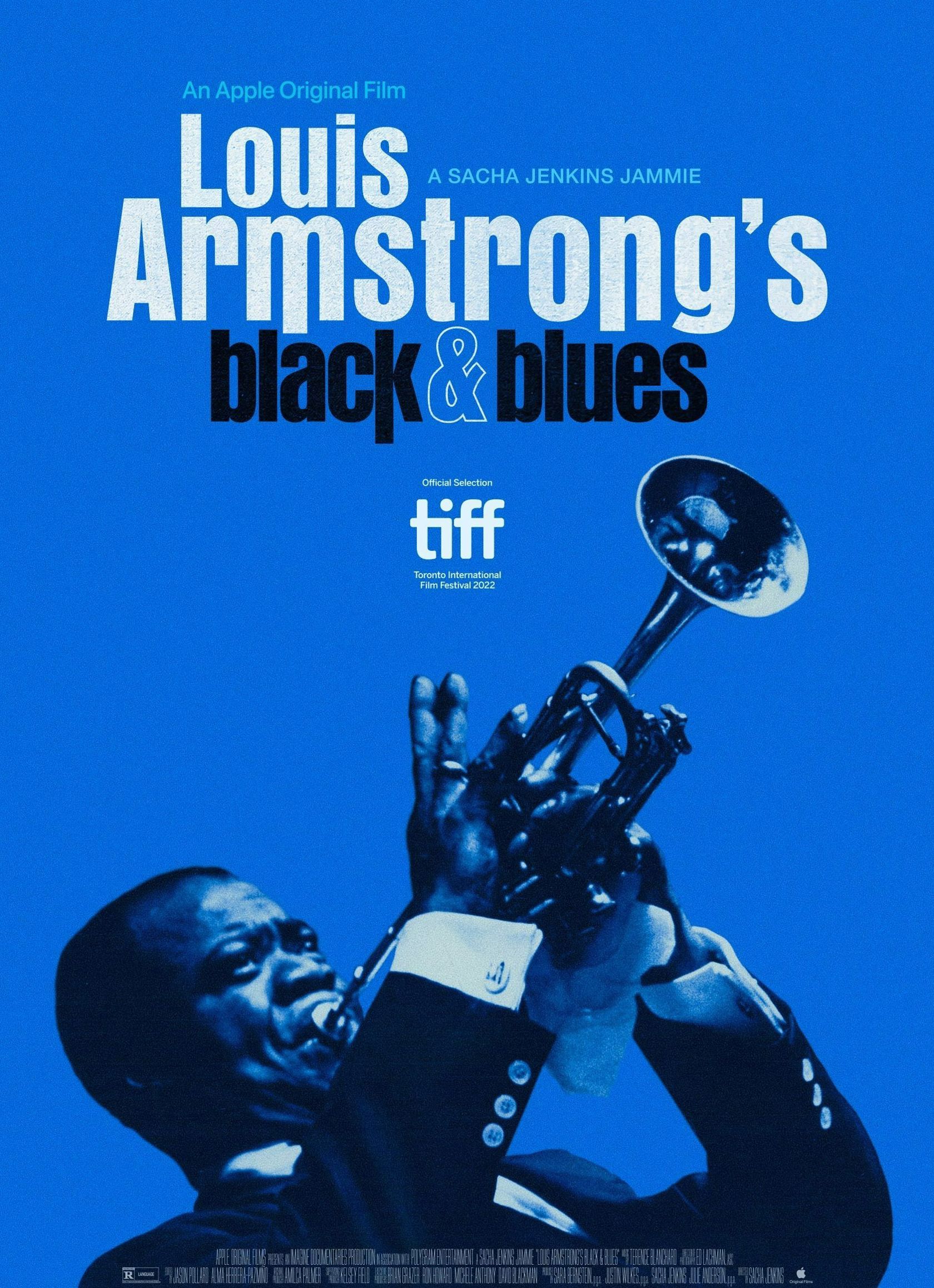
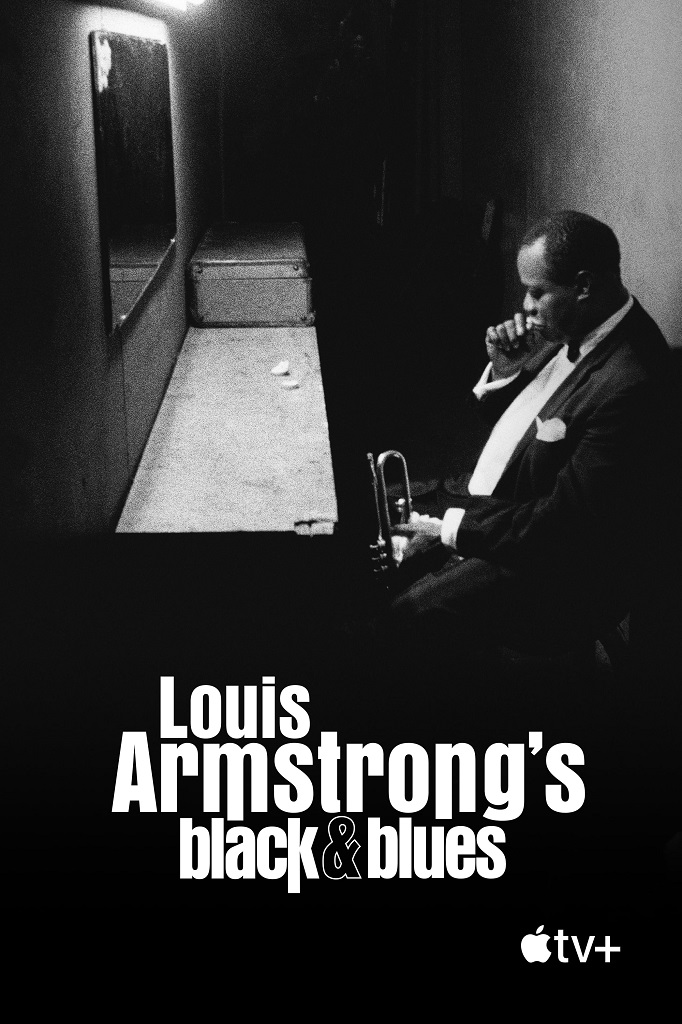
For me, the two best talking heads in Sacha Jenkins’ recent documentary, Louis Armstrong’s Black & Blues, are those of Orson Welles and Ossie Davis, both of whom significantly started out as performers and theater people. Welles — whom we hear as the film begins, warmly introducing Armstrong as a friend on a TV talk show, explaining that he once planned to make a film that would recount the history of jazz through Armstrong’s life — insists on his preeminence as a performer “not on the principle of escapism but on the principle of affirmation.” Given that the entire career of Armstrong as a blazing maestro of the cornet and trumpet can be summed up by the word “affirmation”, Welles’s introduction couldn’t have been more apt.
Written for the first paper issue of New Lines Magazine, January 15, 2023. (Note: The version posted here is somewhat different.)
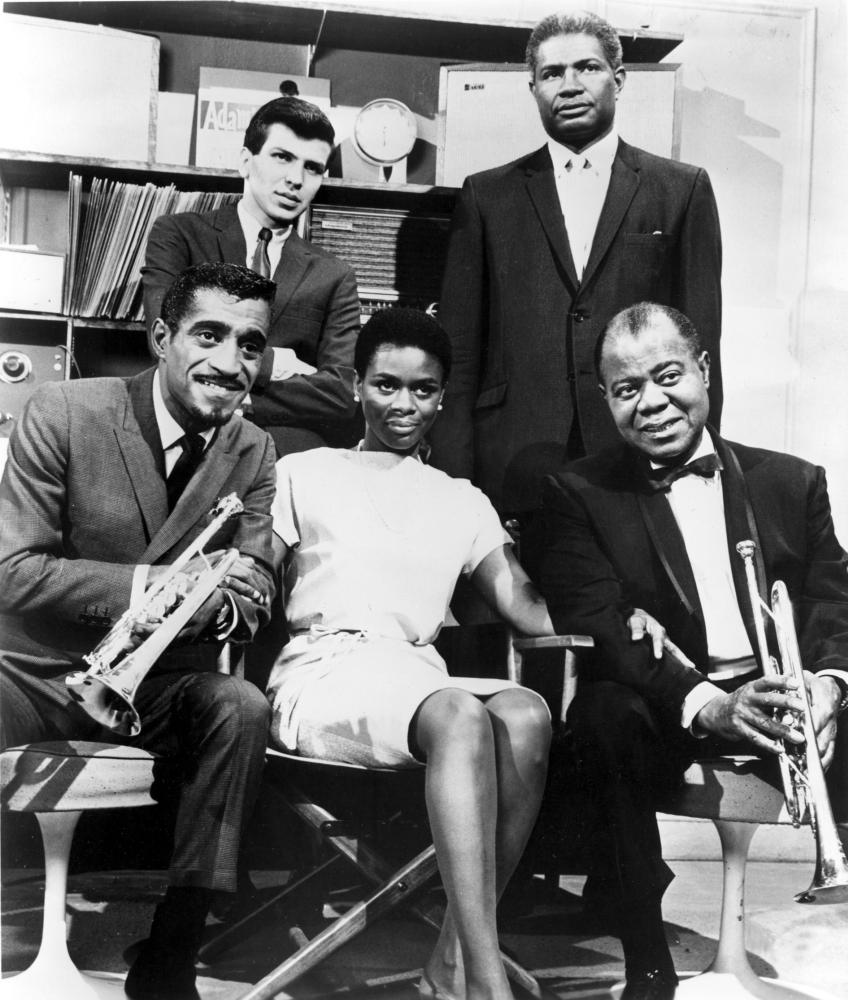
Ossie Davis, who once had a character in his play Purlie Victorious say to someone, “You’re a disgrace to the Negro profession,” recalls that he and his friends used to laugh derisively at Satchmo’s performing antics and clowning as a creepy form of Uncle Tomism until the two of them worked together on a movie, A Man Called Adam (1956). Read more