
Global Discoveries on DVD: Lessons in Oppression
From Cinema Scope no. 91, Summer 2022.
Apart from those few who managed to escape from totalitarian regimes and occupied countries, most North Americans know as little about living under a dictatorship and/or in an occupied territory and what that entails as I do. For the past two decades, I’ve been periodically arguing that progressively minded Yank cinephiles missed the boat in the ’60s and ’70s by focusing too exclusively on Godard, Bertolucci, and similarly oriented Western leftists while ignoring the far more politically and formally radical inventions of Eastern European cinema by Chytilová, Jancsó, and Makevejev, among others — an avoidance that largely came about because we didn’t know more about what was happening in those parts of the world. A comparable limitation in the 1930s and 1940s led critics such as Dwight Macdonald to focus far more on Eisenstein and Pudovkin than on Dovzhenko, and as I’ve argued elsewhere, even a passionate Dovzhenko fan such as James Agee was fairly clueless about the political difficulties this Ukrainian filmmaker was having with the Russians.
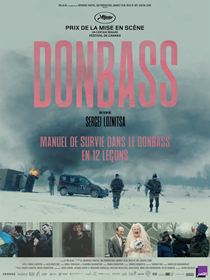

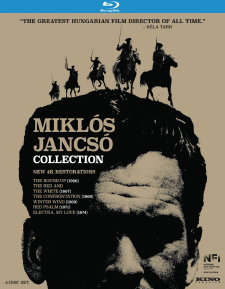
Bearing this shared ignorance in mind, all of the most striking releases I’ve encountered this spring —Serge Loznitsa’s Donbass (2018), on DVD from Salzgeber & Co. Read more