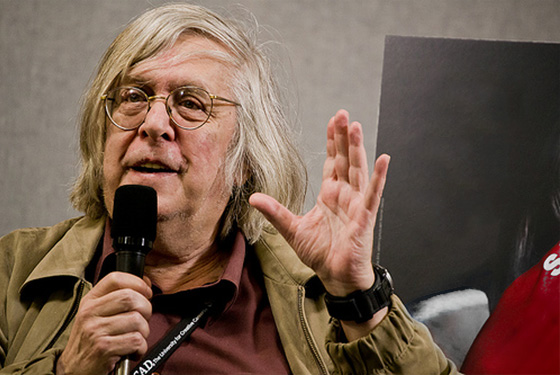
Two and ¾ Cheers for Joe McBride
Written for the July-August 2017 Film Comment. This is the unedited version of my review. — J.R.
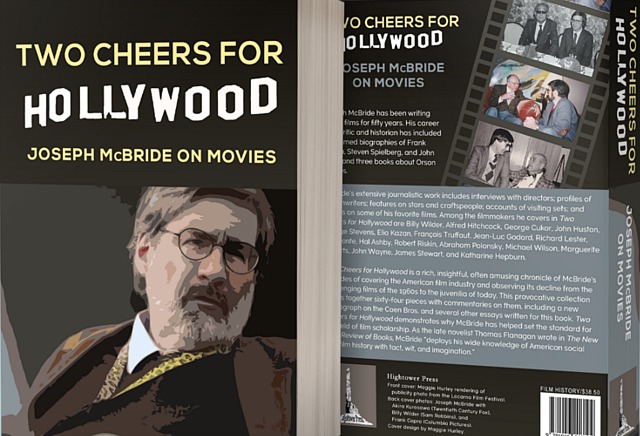
Two Cheers for Hollywood: Joseph McBride on Movies
By Joseph McBride, Hightower Press, $38.50.
Anyone who’s read his astute critical biographies of Capra, Ford, Spielberg, and Welles knows that Joseph McBride is one of our most invaluable film historians. No less ambitious but more personal are his three most recent books, all brought out expertly under his own imprint and available from Amazon: his hefty Into the Nightmare: My Search for the Killers of President John F. Kennedy and Officer J. D. Tippit (2013), his very moving and painfully candid The Broken Places: A Memoir (2015), and now an even heftier volume collecting half a century’s worth of his film journalism and criticism, encompassing 56 separate items and almost 700 large-format pages. It’s the sort of old-fashioned bedside compendium and browser’s paradise that we seldom get nowadays from academic publishers—with a few rare exceptions, such as Greil Marcus and Werner Sollors’ delightful 2009 New Literary History of America (which included one of the better McBride essays reprinted here, “The Screenplay as Genre,” about Citizen Kane). McBride prefaces each piece with a contextualizing introduction, and part of what makes this volume fun is the informal history it offers of McBride’s own taste and career. Read more