
Daily Archives: February 17, 2026

LAUGHTER

From The Unquiet American: Transgressive Comedies from the U.S., a book-length catalogue for a retrospective I put together for the Viennale in 2009, adapted and expanded from a catalogue entry for Il Cinema Ritrovato the same year. — J.R,.
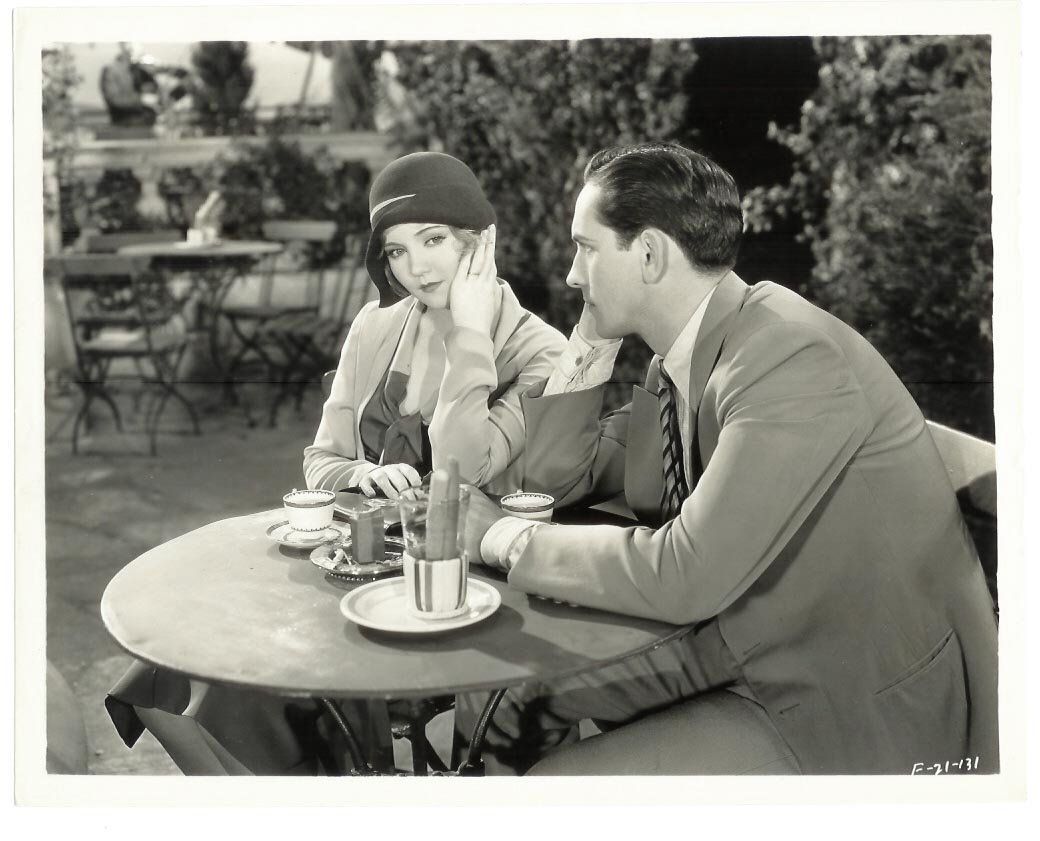
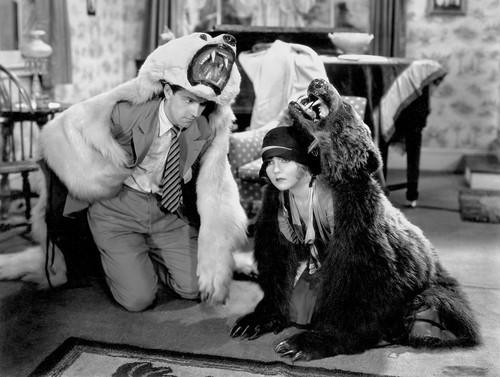
LAUGHTER
Harry d’Abbadie d’Arrast (1897-1968) – a French-Basque aristocrat who was born in Buenos Aires and died in Monte Carlo – made eight films, all between 1927 and 1935, and apparently many of these are lost. (He was fired from the early talkie Raffles –which seems to retain a few d’Arrastian qualities – and replaced by George Fitzmaurice, and reportedly he also did some uncredited work on Wings. It appears that he also had a lot to do with the preparation of one of my favorite musicals, Hallelujah, I’m a Bum!(1933), according to the late Pierre Rissient, which wound up being directed by Lewis Milestone.)
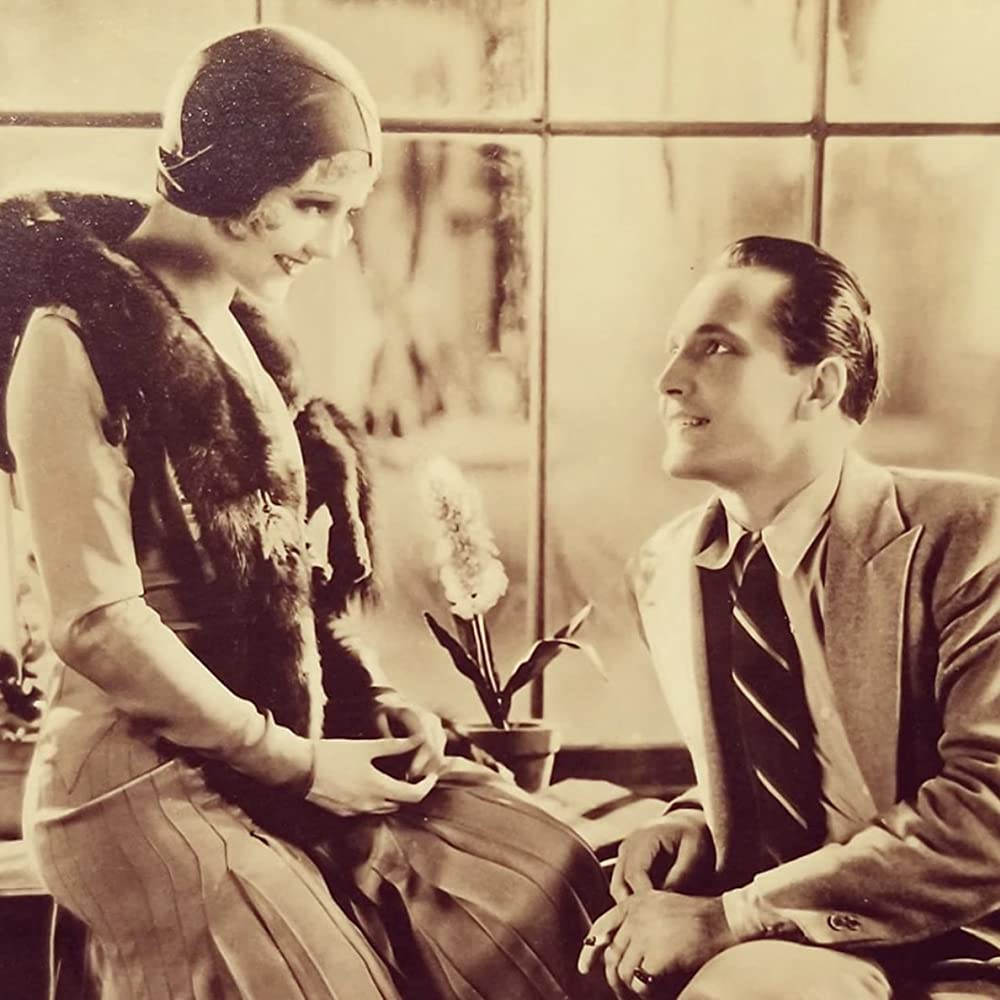
I’ve seen only three of his films – A Gentleman of Paris(1927), Laughter (1930), and Topaze (1933) –and all of these are pretty remarkable. (The latter is a Pagnol adaptation with one of John Barrymore’s most touching performances.) As far as I know, the only one who ever wrote about this figure in any detail was Herman G.Weinberg Read more

Great 30s Movies on DVD (…and a few that should be)

 Commissioned by DVD Beaver, and published by that site in February 2010. I’ve updated or added a few links, delighted to report that all the unavailable items can now be accessed in some form or another.I was inspired to repost this after just reseeing Sternberg’s sublime Dishonored in Criterion’s handsome new Dietrich and Von Sternberg in Hollywood box set. I’ve also just reseen the lovely if politically incoherent  Shanghai Express in the same package, and I wonder if it’s possible that the relative neglect accorded to Dishonored, by cinephiles and academics alike, may have something to do with the fact that it’s the Hollywood feature of  Dietrich and Von Sternberg that has the most to say about the real world — not only because it begins and ends in Vienna, but also because, as an antiwar statement that a prostitute can do more for her countryman than a female spy can do for her country, it has the most effective strategies for combining genre elements with personal fantasies and moral convictions, in part through its diverse  metaphors regarding art (Dietrich’s piano playing as it serves both passion and state) and glamor (a sword blade used as a makeup mirror in the final scene).
Read more