From the Chicago Reader (November 4, 2005). — J.R.
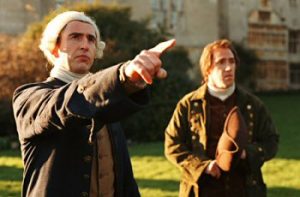
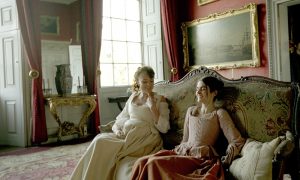
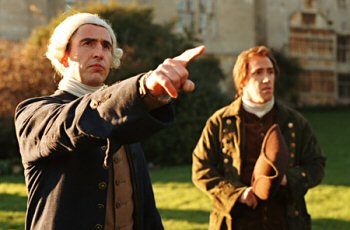
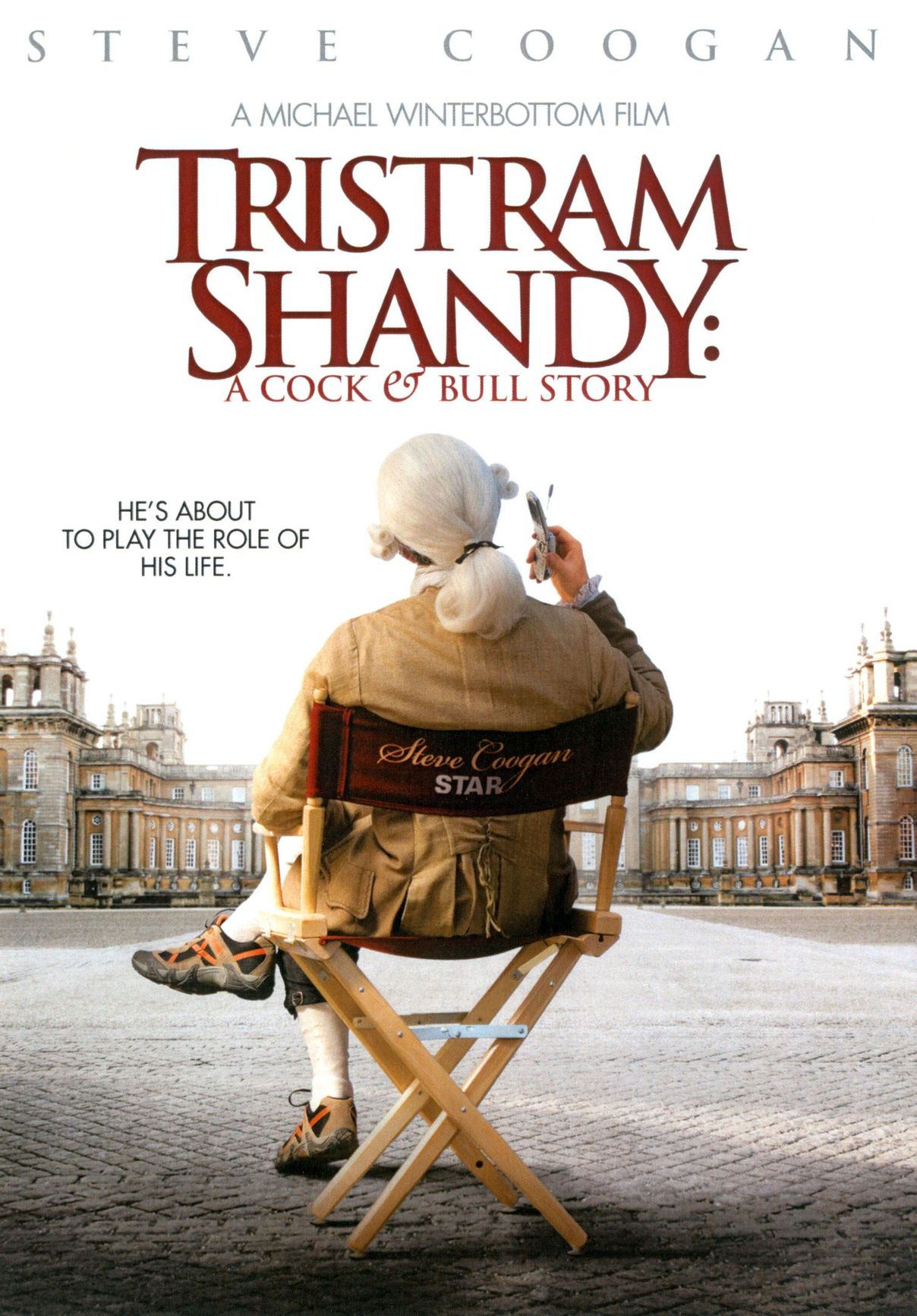
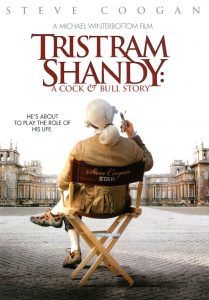
Laurence Sterne’s 18th-century masterpiece The Life and Opinions of Tristram Shandy, Gentleman is still the best of all avant-garde novels, and most of the fun of watching this screen version is wondering how writer Martin Hardy and director Michael Winterbottom will adapt what’s plainly unadaptable. They manage to anticipate almost every possible objection (even finding a cinematic equivalent for Sterne’s purposely blank page). This farce eventually runs out of steam, devolving into a protracted docudrama about actor Steve Coogan (who plays the title hero as well as his father), but until then this is a pretty clever piece of jive. With Rob Brydon (as Toby), Dylan Moran (as Dr. Slop), Keeley Hawes, and Shirley Henderson. R, 94 min. Century 12 and CineArts 6, Pipers Alley.
 Read more
This is the uncut version of a book review written for Stop Smiling no. 27 in 2006 (“Ode to the Midwest”), which had to be cut at the last minute due to space problems. My thanks to editor James Hughes for granting me permission to print the fuller version here. –J.R.
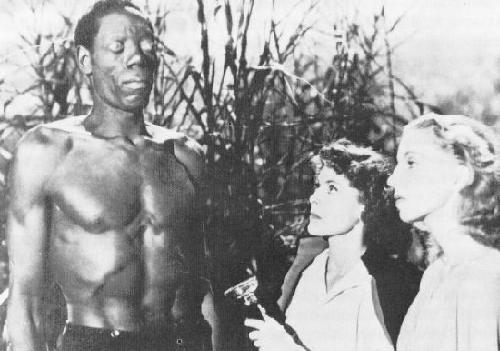
ICONS OF GRIEF: VAL LEWTON’S HOME FRONT PICTURES by Alexander Nemerov. Berkeley: University of Calornia Press, 2005. 213 pp.
By Jonathan Rosenbaum
Most film criticism has been hampered by the habit of dealing with narrative movies strictly and exclusively in terms of their stories. What’s overlooked by this practice is the fact that virtually all films are made up of nonnarrative as well as narrative elements—what might be described as both persistence and fluctuation, or nonlinearity as well as linearity. Even though we often prefer to think we experience movies only as unfolding narratives—which is apparently why what most people mean by “spoilers” always relate to plot and not to formal moves—how we remember these movies is part of that experience, and this partially consists of static images.
Consequently, it could be argued that we need more art historians writing about movies and fewer literary critics who operate from the model of narrative fiction. Read more
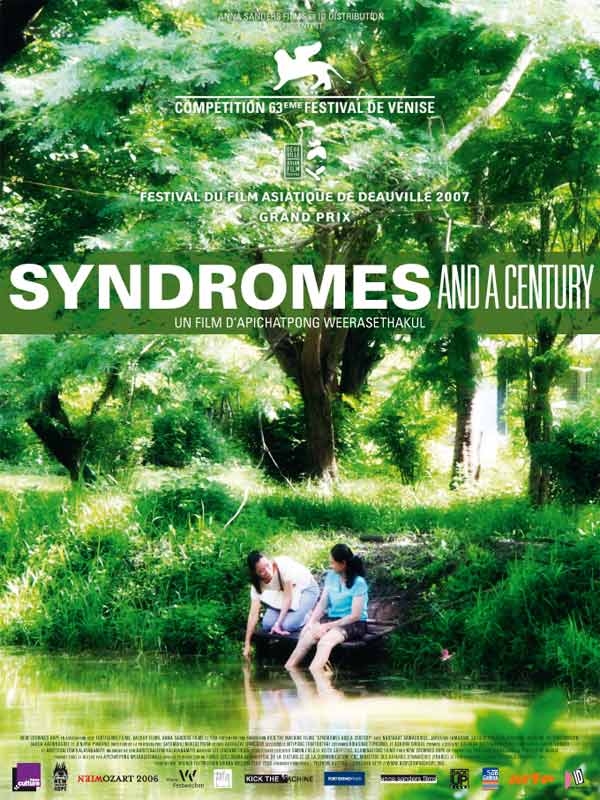
The unpredictable and provocative Thai filmmaker Apichatpong Weerasethakul (Tropical Malady) offers a mysterious and beautiful experimental feature (2006) based on memories of his parents, who were both doctors. It’s divided into two parts, both set in the present, with many rhyme effects between them. The first, set in and around a rural clinic, centers on his mother; the second, set in the vicinity of a Bangkok hospital, focuses on his father, though it’s a kind of quizzical remake of the first and both characters appear in each section. There’s nothing here that resembles narrative urgency, but this is a quiet masterpiece, delicate and full of wonder. In Thai with subtitles. 105 min. (JR)
Read more