From the Chicago Reader (September 1, 2006). — J.R.
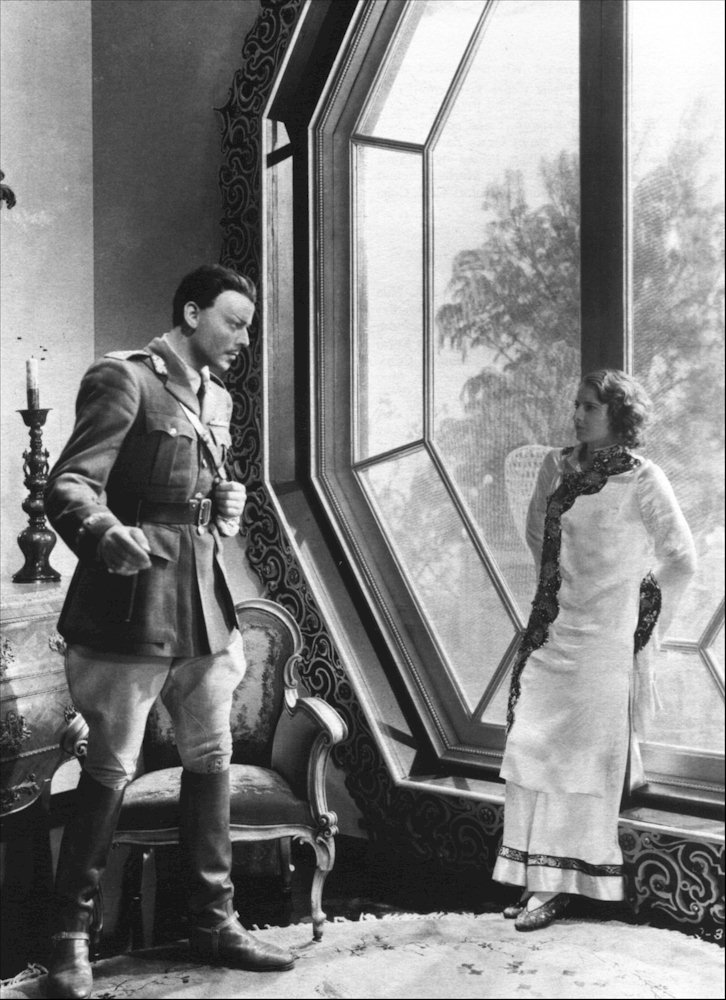
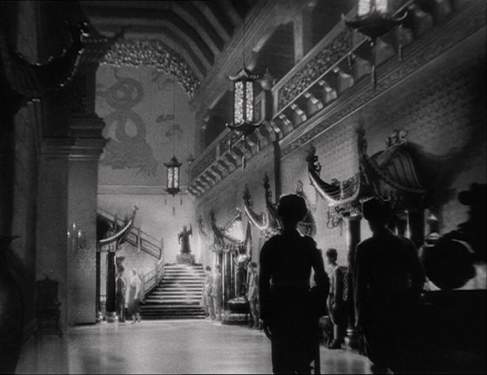
Frank Capra’s very atypical drama about an American missionary (Barbara Stanwyck) taken prisoner by a Chinese warlord (Nils Asther) is not only his masterpiece but also one of the greatest love stories to come out of Hollywood in the 30s — subtle, delicate, moody, mystical, and passionate. Joseph Walker shot it through filters and with textured shadows that suggest Sternberg; Edward Paramore wrote the script, adapted from a story by Grace Zaring Stone. Oddly enough, this perverse and beautiful film was chosen to open Radio City Music Hall in 1933; it was not one of Capra’s commercial successes, but it beats the rest of his oeuvre by miles, and both Stanwyck and Asther are extraordinary. With Walter Connolly and Lucien Littlefield. 89 min. Also on the program: episode eight of the 1938 serial The Spider’s Web. Sat 9/2, 8 PM, LaSalle Bank Cinema.
Posted by New Lines (https://newlinesmag.com/) with a different title on June 28, 2023:
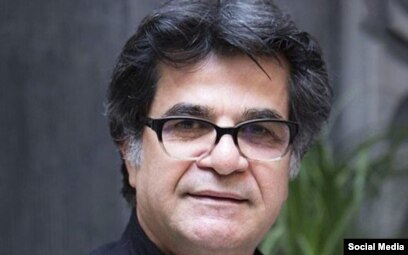
It is a pity and a paradox that Jafar Panahi — Iran’s most important living filmmaker, in my judgment (at least among those I’m familiar with) — seems to be valued in the West more for his persecution than for his filmmaking. His first feature, “The White Balloon” (1995), became the first Iranian film ever to win a major award at the Cannes Film Festival (the Camera d’Or), and his four subsequent features — “The Mirror” (1997), “The Circle” (2000), “Crimson Gold” (2003) and “Offside” (2006) — all won awards at major festivals. But it wasn’t until Panahi was arrested in 2010, sentenced to six years in prison and banned from all filmmaking activities for the next 20 years that he was noticed in the mainstream press in the West. (He was charged with “propaganda against the system” for attending the funeral of a student killed during the 2009 Green Movement protests and for attempting to make a film sympathetic to that rebellion.)
Since then, Panahi has miraculously managed to make five more features in defiance of the ban, appearing as himself in each of them. Severely limited in terms of their resources and shooting conditions, the films have nonetheless garnered more attention than the five features made between 1995 and 2006, prior to his arrest. Read more