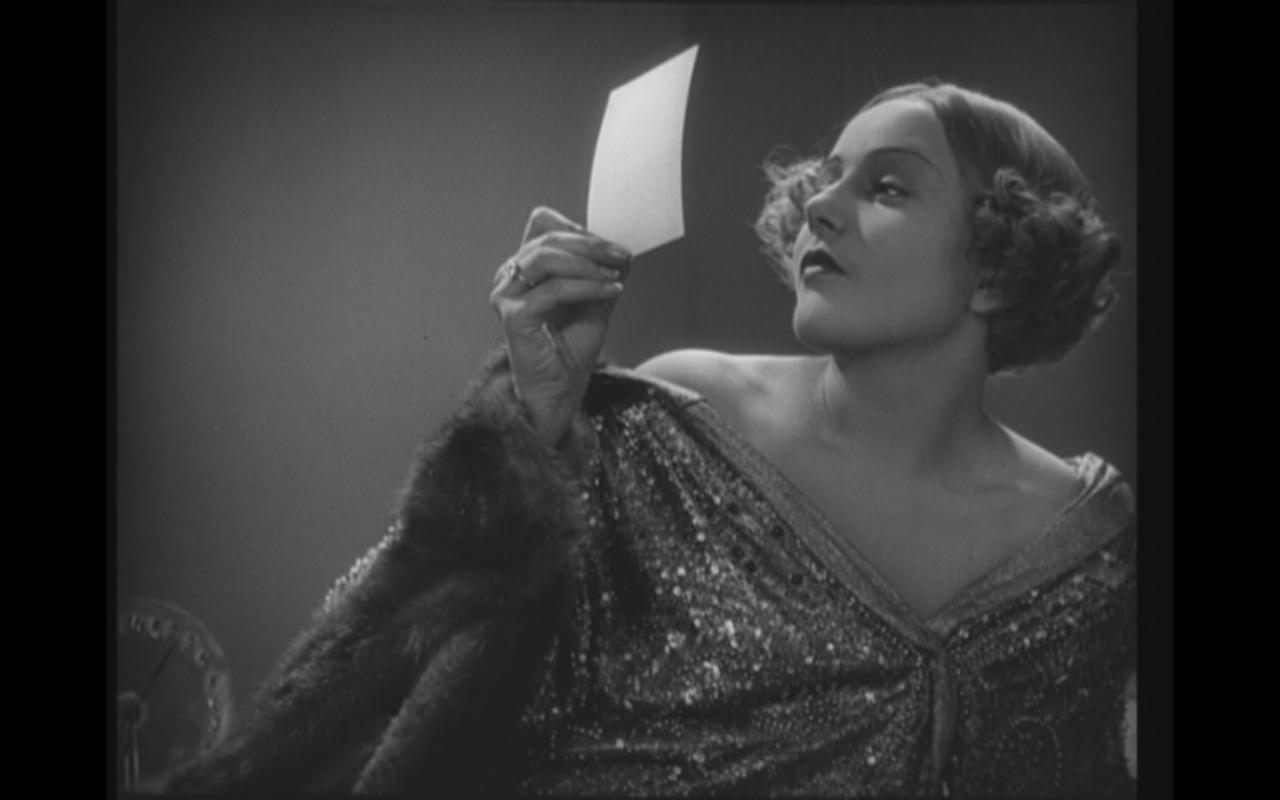
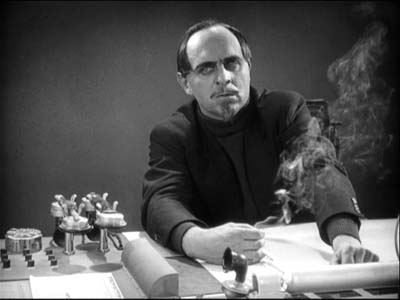
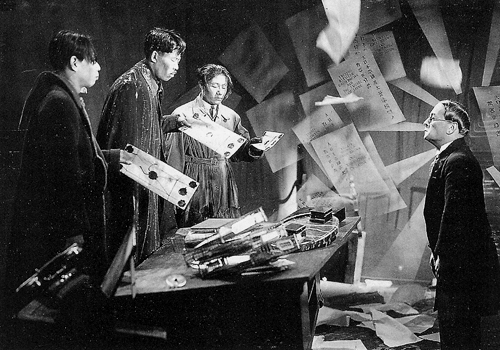
Perhaps Fritz Lang’s most neglected major work, this stunning silent German thriller (1928) both summarizes and refines his first Dr. Mabuse film while introducing some of the principles of editing continuity found in M. Scripted by Thea von Harbou (Lang’s second wife), it pits a government agent (Willy Fritsch) against a wheelchair-bound international banker (Rudolph Klein-Rogge) whose spy ring is stealing classified documents, and its fanciful and imaginative approach to the thriller form clearly inspired both Alfred Hitchcock and Thomas Pynchon. This restoration of the 175-minute German release is almost twice as long as the much more common version released for export, yet Lang edited both of them, and each has glories of its own. Erotic, mysterious, abstract, full of uncanny images and ideas, and rich with multiple identities and intrigue, this is essential viewing for anyone interested in the great director’s work. With Gerda Maurus. (JR)
With Michael Boatman, Lori Petty, Ice Cube, Elliott Gould, Richard Anderson, Don Harvey, Michael Ironside, Michael Gregory, Bernie Casey, and M. Emmet Walsh.
Smoke
Rating * Has redeeming facet
Directed by Wayne Wang
Written by Paul Auster
With William Hurt, Harvey Keitel, Stockard Channing, Harold Perrineau, Giancarlo Esposito, Ashley Judd, and Forest Whitaker.
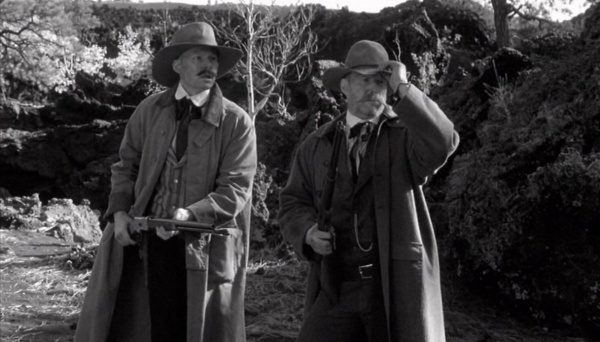
My dozen favorite films at Cannes this year? Terence Davies’s ecstatic wide-screen The Neon Bible, set in a perfectly imagined Georgia of the early 40s, with Gena Rowlands; Emir Kusturica’s Yugoslav black-comedy epic Underground; Hou Hsiao-hsien’s beautiful if difficult Good Men, Good Women; Jim Jarmusch’s transgressive western Dead Man; Jafar Panahi’s The White Balloon, an Iranian urban comedy about children that unfolds in real time; Zhang Yimou’s Shanghai Triad, a cross between Sternberg’s The Devil Is a Woman — with Gong Li taking the place of Marlene Dietrich — and Billy Bathgate; and Manoel de Oliveira’s The Convent (Ruizian metaphysics and theology with John Malkovich and Catherine Deneuve). Then there were such pleasures on the market as Gianni Amelio’s Lamerica, a mordant treatment of the collapse of communism in Albania; lively low-budget musicals by Jacques Rivette and Joseph P. Read more