Response to a CINEASTE symposium about film criticism (2000)
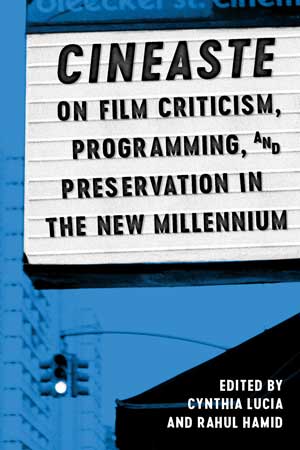
From “Film Criticism in America Today: A Critical Symposium,” Cineaste 26, no. 1, 2000. This is the first of several symposia gathered in a new collection edited by Cynthia Lucia and Rahul Hamid, Cineaste on Film Criticism, Programming, and Preservation in the New Millennium, Austin: University of Texas Press, 2017. –- J.R.
Here are my replies to the following questions from Cineaste:
1. What does being a film critic mean to you? (More specifically, why do you write film criticism? Whom do you hope to reach, and what do you hope to communicate to them?)
2. What qualities make for a memorable film critique? (Do you think such critiques tend to be positive or negative in tone? Is discussing a film’s social or political aspects as important to you as its cinematic qualities and value as art or entertainment?)
3. How would you characterize the relationship between film critics and the film industry? Do you think film critics could be more influential in this relationship? How?
4. What are the greatest obstacles you face in writing the kind of film criticism you wish to write? (For example, does your publication require delivery of your copy on a short deadline after only one screening, limit the space available for your reviews, or dictate which films you should review? Read more