One-Man Armada [on Luis Buñuel]
From the Chicago Reader (November 10, 2000). — J.R.
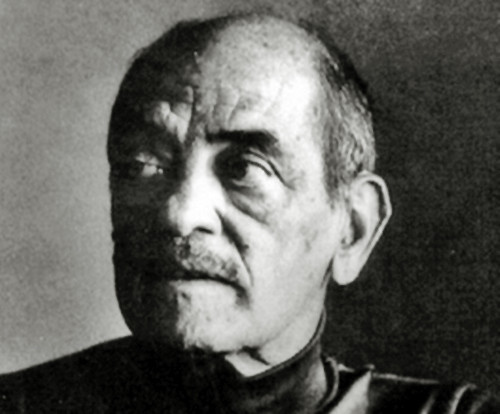
Films by Luis Buñuel
By Jonathan Rosenbaum
It seems to be universally agreed that Luis Buñuel (1900-1983) is the greatest Spanish-language filmmaker we’ve ever had, but getting a clear fix on his peripatetic career isn’t easy. The authorized biography, John Baxter’s 1994 Buñuel, isn’t available in the U.S., and the deplorable English translation of Buñuel’s autobiography, My Last Sigh (1983), is actually an unacknowledged condensation of the original French text. Better are an interview book translated from Spanish, Objects of Desire, and a recently published translation of selected writings by Buñuel in both Spanish and French, An Unspeakable Betrayal, which includes his priceless, poetic early film criticism.
A more general problem is that Buñuel is not only “simple” and direct but full of teasing, unresolvable ambiguities. A master of the put-on, he often impresses one with his earthy sincerity. A political progressive and unsentimental humanist, he was also, I’ve learned from Baxter, an active gay basher in his youth, and those who’ve read the untranslated but reputedly fascinating memoirs of his widow report that he was a very old-fashioned and prudish male chauvinist throughout his life. He was a onetime devout Catholic who lost his faith in his youth and was fond of exclaiming years later, “Thank God I’m still an atheist!” Read more