En movimiento: Film Noir as Escape Hatch
A column for Caiman Cuadernos de Cine, submitted May 28, 2018. — J.R.
The commodification of film categories that publicists otherwise find difficult to market — especially “independent,” “restoration,” and “film noir”—often involves a certain amount of deception when it comes to existential identities.
“Independent” became a commercial category only after moguls maintained that the Sundance Festival was devoted to celebrating films without studio backing — even though “success” at Sundance meant a studio sale that typically entailed a loss of independence. “Restoration” is a label that absurdly gets slapped onto all sorts of real or alleged upgrades of older films, such as one with a newly mutilated and reconfigured soundtrack (the 1992 rerelease of Orson Welles’ Othello), a re-edit (the 1998 Touch of Evil), a belated first edit (the posthumous 2018 The Other Side of the Wind), and sometimes merely a new print. And “film noir” — a term whose meaning has already been slippery to begin with, applied retrospectively to a group of films said to share certain stylistic, formal, and thematic traits — now functions ahistorically and sometimes deceptively while increasing the market value of a given feature by obfuscating its politics.
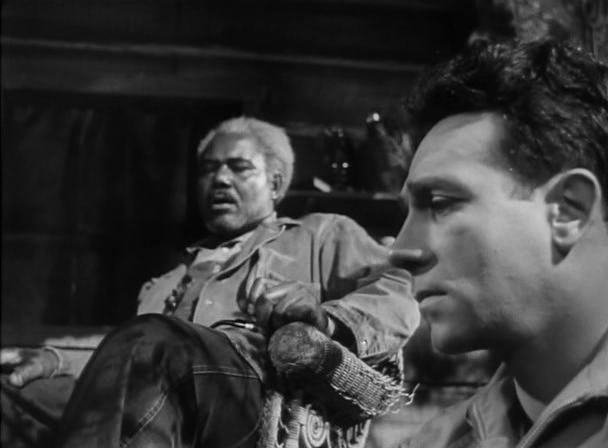
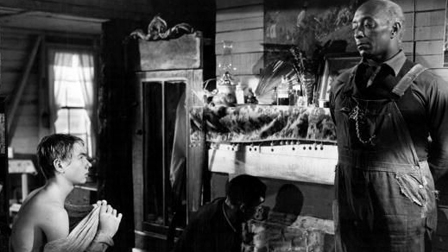
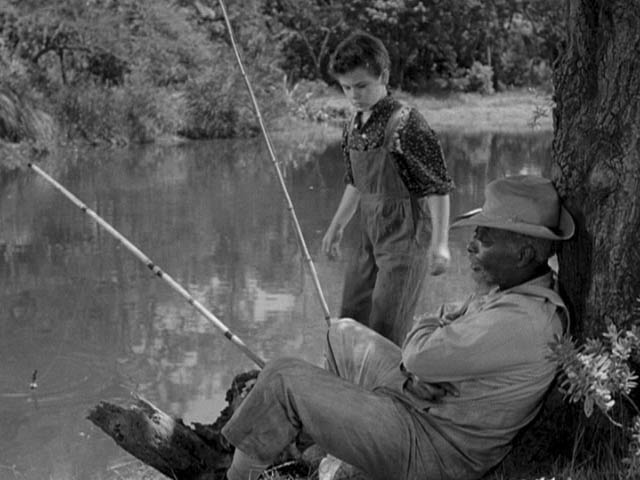
On Criterion’s new Blu-ray of Frank Borzage’s Moonrise (1948), Peter Cowie’s interview with Hervé Dumont — whose book on the director should be shelved alongside Chris Fujiwara’s book for the same publisher (McFarland) on Jacques Tourneur — primed me perfectly for my second look at this masterpiece. Read more