REMEMBER MY NAME
This review appeared in the Spring 1979 issue of Film Quarterly (vol. XXXII, no. 3). Consider it Part 1 of a two-part consideration of Alan Rudolph, carried out over a span of a dozen years, to be followed by my much more ambivalent take on Mortal Thoughts (1991) for the Chicago Reader, which deals with some of the same issues involving both class and music. (I suspect that Rudolph’s best movie remains Choose Me, but I’d have to see this again to be sure.) — J.R.
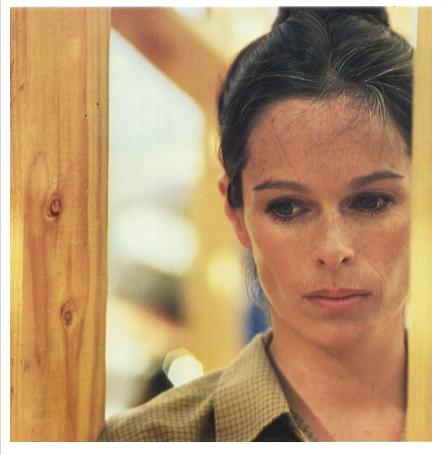
REMEMBER MY NAME
Director: Alan Rudolph. Script: Rudolph. Photography: Tak Fujimoto. Music: Alberta Hunter. Lagoon Films.
Alan Rudolph’s second film was financed by Columbia, then written off as a disaster before it was released, but it has been running successfully in Paris for months and opens shortly in New York. It strikes me as the most exciting Hollywood fantasy to come along in quite some time. Admittedly, I am a Rivette enthusiast; I am fascinated by narrative suspension and indeterminacy, and tend to lose interest when a plot is laid out in full view, because I’ve usually seen it before. Remember My Name deliberately suspends narrative clarity for the better part of its running time, and never entirely eliminates the ambiguities that keep it alive and unpredictable — even though its themes, thanks to Alberta Hunter’s offscreen blues songs, are never really in question. Read more