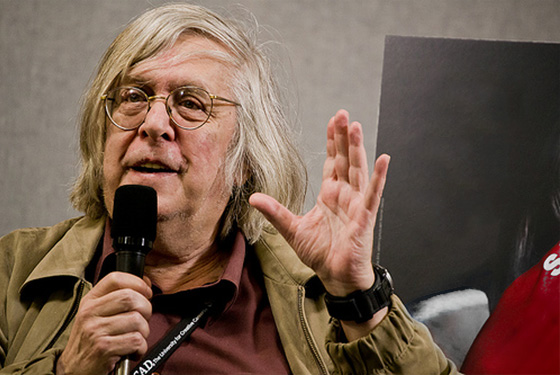
Cannes, 1997
Adapted from “Cannes, tour de Babel critique,” translated by Jean-Luc Mengus, in Trafic no. 23, automne 1997. –- J.R.
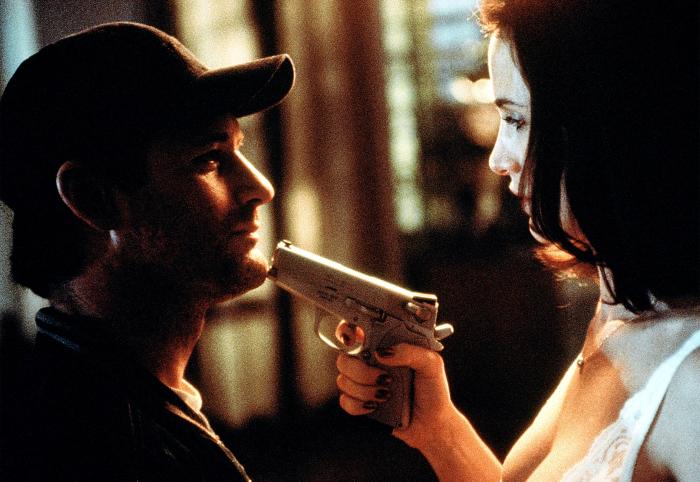
By common agreement, the fiftieth anniversary of the Cannes
Film Festival, prefigured as a cause for celebration, wound up serving
more often as an occasion for complaint. Disappointment in the over-
all quality of the films ran high, even if the arrival over the last four days
of films by Abbas Kiarostami, Atom Egoyan, Youssef Chahine, and
Wong Kar-wai improved the climate somewhat. But I don’t mean to
suggest that the shared feelings of anger and frustration demonstrated
any critical unanimity. On the contrary, the overall malaise of Cannes this
year forced to a state of crisis the general critical disagreement and lack
of communication that has turned up repeatedly, in a variety of forms.
If the pressing question after every screening at Cannes is whether a film
is good or bad (or, more often, given the climate of hyperbole,
wonderful or terrible) — a question that becomes much too pressing, because
it short-circuits the opportunity and even the desire to reflect on a film for
a day or week before reaching any final verdict about it — the widespread
disagreements at the festival derived not only from different and
irreconcilable definitions of “good” and “bad,” but also from different and
irreconcilable definitions of “film.” Read more