From the Chicago Reader (November 7, 2003). — J.R.
Elephant
**** (Masterpiece)
Directed and written by Gus Van Sant
With Alex Frost, Eric Deulen, John Robinson, Elias McConnell, Jordan Taylor, Carrie Finklea, Nicole George, Brittany Mountain, Bennie Dixon, Nathan Tyson, Alicia Miles, Kristen Hicks, Timothy Bottoms, and Matt Malloy.
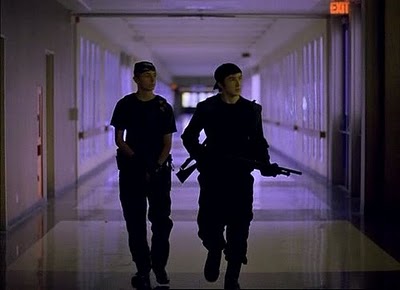
Gus Van Sant’s startling and brilliant Elephant — a film that follows the activities of several high school students before and during a massacre like the one at Columbine — has its flaws, yet its virtues so outshine them that the years he’s spent lost in the wilderness can be forgiven. His four previous features weren’t exactly dead on arrival, though his 1998 remake of Psycho came alarmingly close. But the filmmaker responsible for such fresh early shorts as The Discipline of DE (1978) and My New Friend (1987) and such exciting early features as Mala Noche (1985), Drugstore Cowboy (1989), and My Own Private Idaho (1990) was almost nowhere in evidence in Good Will Hunting (1997), Psycho, or Finding Forrester (2000) and only faintly discernible in the experimental feature Gerry (2001). (In between were two satirical features, the uneven 1993 Even Cowgirls Get the Blues and the more successful 1995 To Die For.) Read more
From the Chicago Reader (December 1, 1987). — J.R.
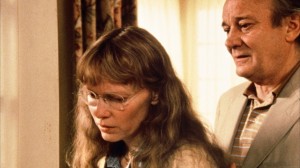
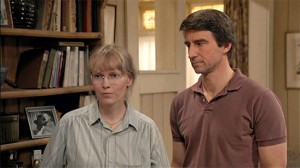
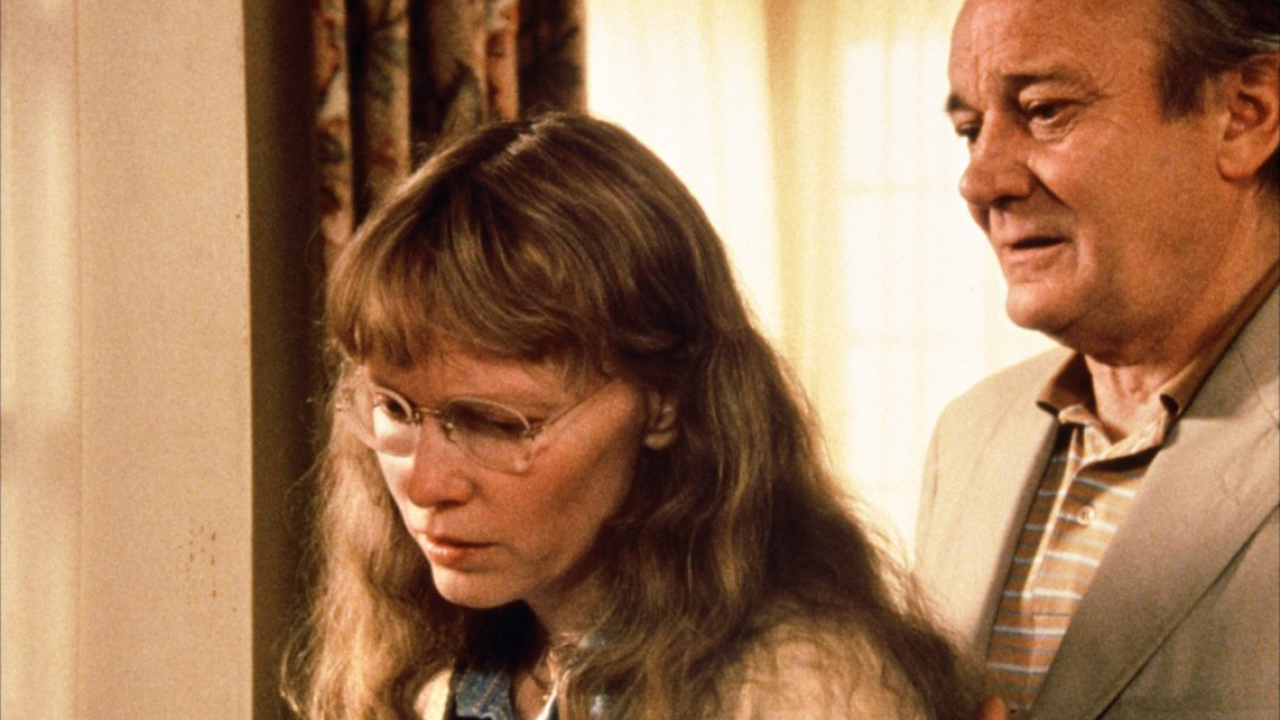
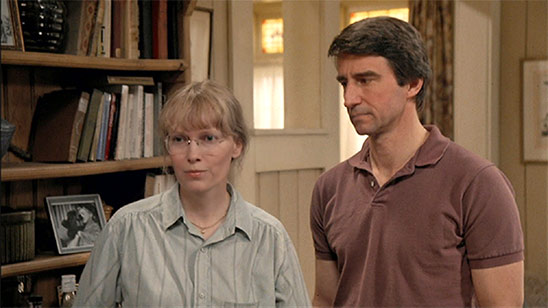
Woody Allen’s worst film and second pure noncomedy — a desperate low-energy recycling operation — features four (or, arguably, five) cases of unrequited love among six characters stagebound in a New England summer house for about 18 hours: a suicidal depressive (Mia Farrow), loved by both her flamboyant mother (Elaine Stritch) and a middle-aged widower (Denholm Elliott), loves only an unfulfilled writer (Sam Waterston), who loves only the suicidal depressive’s best friend (Dianne Wiest), who doesn’t know who or what she wants. To add a little contrast, the mother is happily married to a physicist (Jack Warden), but just to make sure that we don’t jump to any wrong conclusions about this, the latter imparts to us the helpful wisdom that the meaninglessness of the universe is more depressing than the threat of nuclear annihilation (perhaps the key to Woody’s no-sweat politics). Wiest remarks at another point that she’s married to a radiologist, but she won’t let him x-ray her because she doesn’t want him to know what’s inside her. Most of the writing is on this glib and wretched level, and the laws of diminishing returns and what James Agee once called rigor artis set in with a stultifying vengeance. Read more
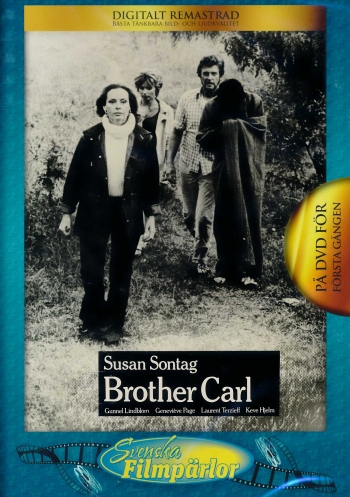
From the Chicago Reader (November 1, 1992). Too bad that this hasn’t been made widely available either online or on disc–although I’ve just discovered that a Swedish DVD exists (see below). I much prefer it to Sontag’s previous feature, Duet for Cannibals, which recently came out in both formats. — J.R.
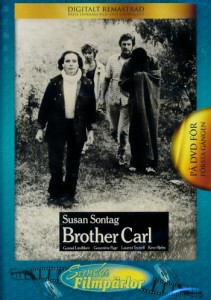
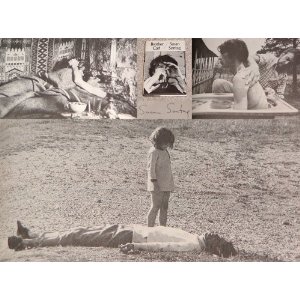
Susan Sontag’s seldom-seen second feature — filmed in Sweden like her first (Duet for Cannibals) but in English and with a cast of Swedish and French actors — shows the influence of Bergman’s Persona, Dreyer’s Ordet, and Whale’s Frankenstein as it depicts two tortured relationships, a suicide, and a miracle. The major characters include an unhappily married couple, a mainly mute former dancer (Laurent Terzieff) who occasionally suggests Nijinsky, and an autistic child. The results can’t exactly be called the work of a natural filmmaker, but they’re fascinating for anyone interested in following the themes and formal concerns of Sontag’s fiction as well as some of her essays, including “On Silence”. This is no masterpiece, but it certainly deserves more attention than it’s received (1971). (JR)
 Read more
From the Chicago Reader (January 14, 2005). — J.R.
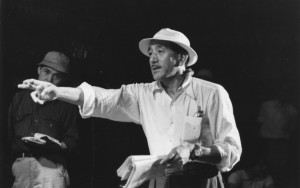
Yasujiro Ozu Retrospective
at the Gene Siskel Film Center
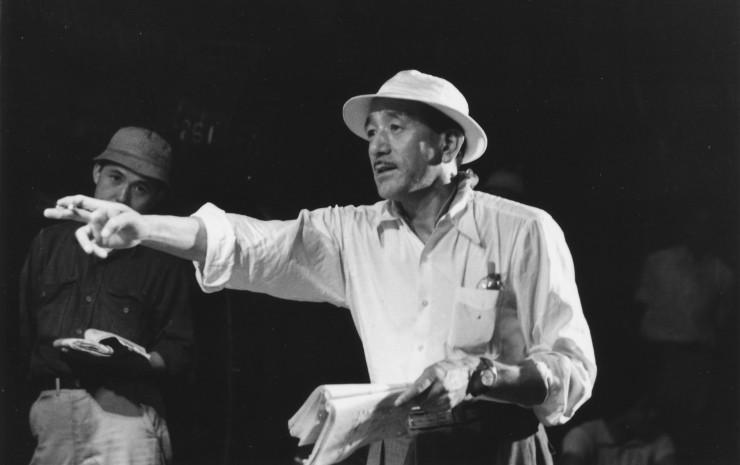
It’s no longer controversial to assert that Yasujiro Ozu (1903-’63) is one of the greatest filmmakers ever — certainly one of the top dozen and possibly the greatest of those who’ve focused on family life. But getting a fix on his work remains far from easy. Only 34 of his 50-odd films appear to have survived, and two features exist only in fragments. The Gene Siskel Film Center’s retrospective, which started last week and runs through March 3, includes 25 features, and some of his other works, including a seldom-shown documentary short, might be screened later if the features draw big enough crowds.
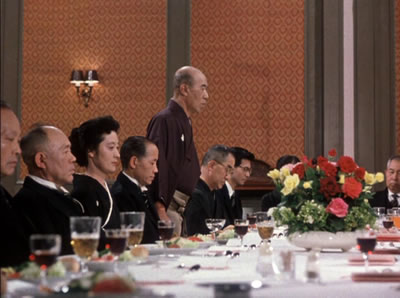
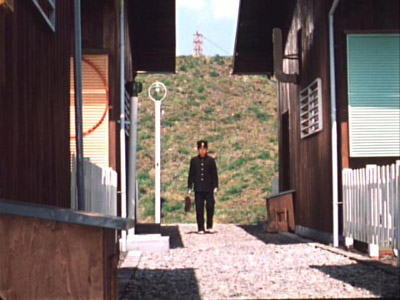

One of the films showing this week, Tokyo Story (1953) — the first Ozu film to have been seen widely in the West, and still the best known and most highly regarded — is a good starting point for viewers unfamiliar with his work. (So are Equinox Flower and Good Morning, two gorgeous color films from the late 50s, showing later this month.) But it has led many critics to make unfair broad generalizations about Ozu’s style and content, to claim that his films are slow and conservative, his technique minimalist. Read more
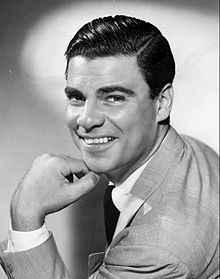
I no longer remember if this was at the Miss America
Pageant, and I’m not even 100% sure it was Bert Parks,
but I do remember that either Bert or someone much
like him decided to show what a regular guy he was by
singing the Elvis anthem “Blue Suede Shoes” on TV. But
because this was American TV in the mid-50s, he had to
clean up the already stupid hyperbolic lyrics (“You can burn my
house, steal my car, drink my liquor from an old fruit jar”) by
replacing the last line with, “Drink my soda from a soda jar”.
Who ever heard of a soda jar before that moment, or since
that moment either? Bert or his lyricist or their censor must
have invented the soda jar in order to make this Elvis homage
or watered-down Elvis ripoff sound more proper, but even so,
soda jars have been lodged in my brain ever since. [3/26/20] Read more
From the Chicago Reader (March 9, 1990). — J.R.
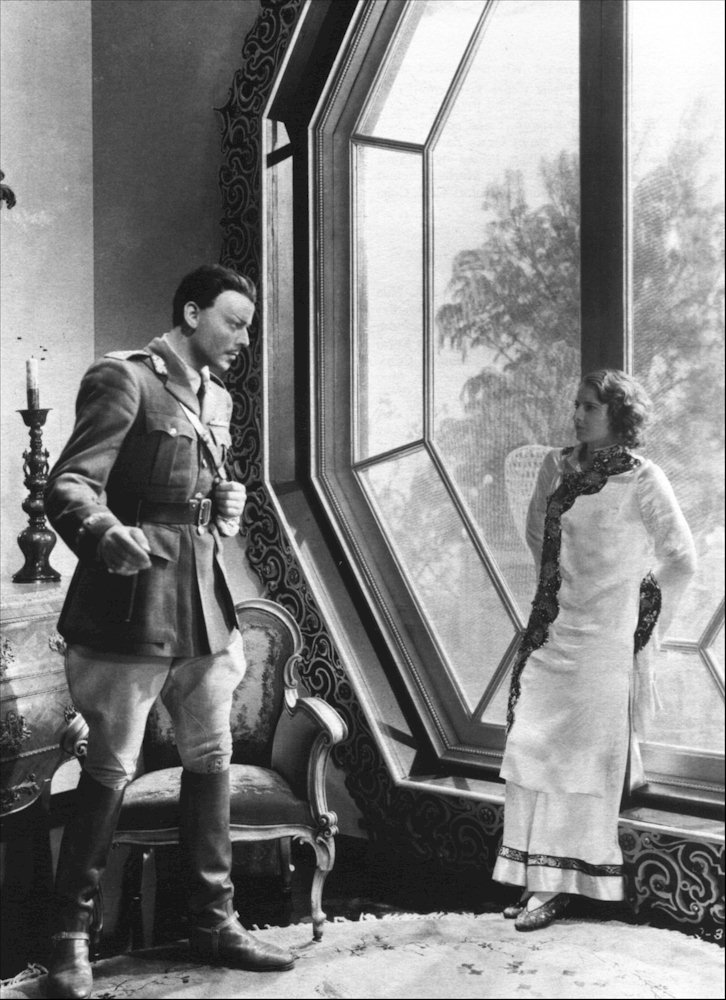
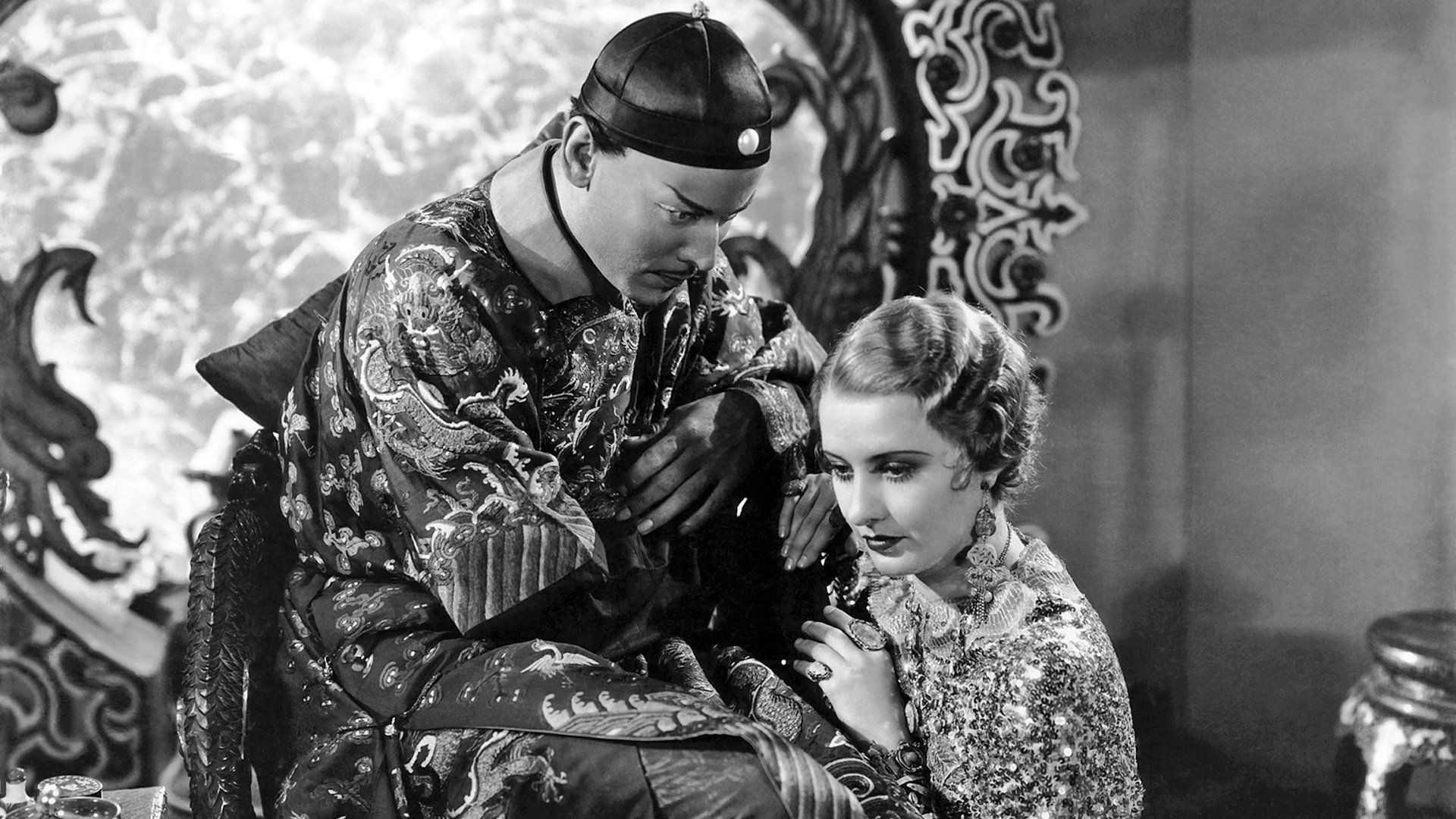
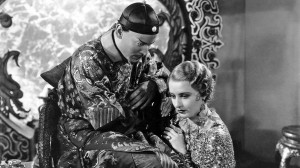
Frank Capra’s very atypical drama about an American missionary (Barbara Stanwyck) being taken prisoner by a Chinese warlord (Nils Asther) is not only his masterpiece, but one of the great love stories to come out of Hollywood in the 30s–subtle, delicate, moody, mystical, and passionate. Joseph Walker shot it through filters and with textured shadows that suggest Sternberg; Edward Paramore wrote the script, adapted from a story by Grace Zaring Stone. Oddly enough, this perverse and beautiful film was chosen to open Radio City Music Hall in 1933; it was not one of Capra’s commercial successes, but it beats the rest of his oeuvre by miles. With Walter Connolly and Lucien Littlefield; Stanwyck and Asther, both extraordinary, have perhaps never been better. A newly struck 35-millimeter print will be shown. (Film Center, Art Institute, Columbus Drive at Jackson, Saturday and Sunday, March 10 and 11, 4:15, 443-3737)
 Read more