From the Chicago Reader (November 1, 1988). — J.R.
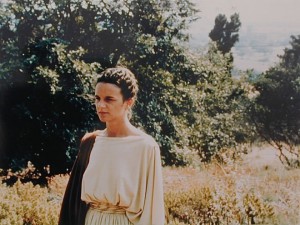
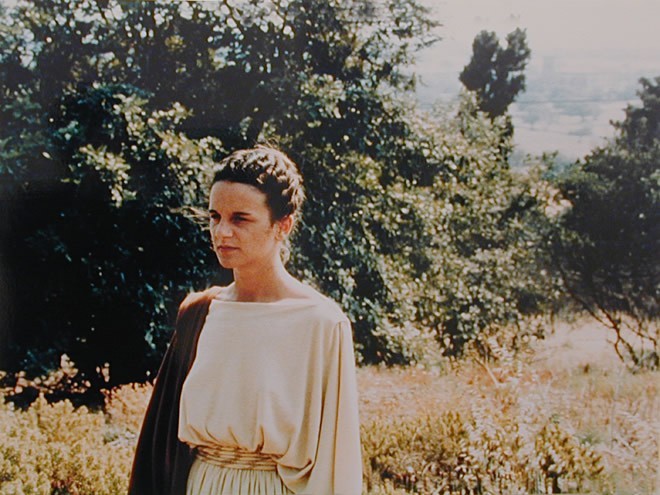
The tenth and latest feature of European avant-garde filmmakers Jean-Marie Straub and Daniele Huillet — filmed in Sicily and using as its text the first of three versions of Friedrich Holderlin’s unfinished 1798 verse tragedy — is one of their most beautiful works; but like all the best avant-garde work, watching and listening to it requires some adjustments in our usual activity as spectators — adjustments that involve new areas of play as well as work. This is a film in which sound matters at least as much as image, and where the lovely natural settings (filmed in 35-millimeter by Renato Berta) are as important as the actors and the text. The sound of Holderlin’s highly metered German blank verse is the most sensually rich use of that language that I have ever heard, and even if, like me, you don’t understand the language, the selective subtitles should be regarded as footnotes to glance at rather than as a substitute for the main text. Unlike the texts in Straub and Huillet’s early work, the text here is dramatically and expressively acted, and the compelling cast includes Andreas von Rauch as Empedocles (a Greek philosopher expelled from his community for blasphemy, and bent on suicide), Howard Vernon (who acted in Fritz Lang’s The Thousand Eyes of Dr. Read more
I suppose this is a worthy project, and because Arthur Penn directed it, the mise en scene is certainly effective. But I can’t say I liked it much. Scripted by Bima Stagg and produced for Showtime in 1996, this is a painful, harrowing tale about a leftist, well-to-do white university professor (Eric Stoltz) in South Africa. After attending an Amnesty International concert in Zimbabwe in 1988, he’s arrested for conspiring against the government, then tortured at length, psychologically and physically, chiefly by a police colonel (Nigel Hawthorne). The action moves back and forth between his ordeal, which ends with his suicide, and an investigation into his case almost a decade later, after the end of apartheid, during which the colonel is interrogated by a black official (executive producer Louis Gossett Jr.). Part of what I don’t like about this film is its punitive bitterness; perhaps it’s understandable, but it’s a far cry from the therapeutic and conciliatory aspects of South Africa’s Truth and Reconciliation Commission. (JR) Read more
From the Chicago Reader (April 1, 1988). — J.R.
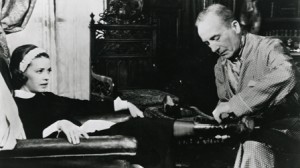
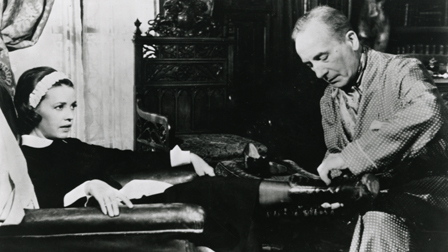
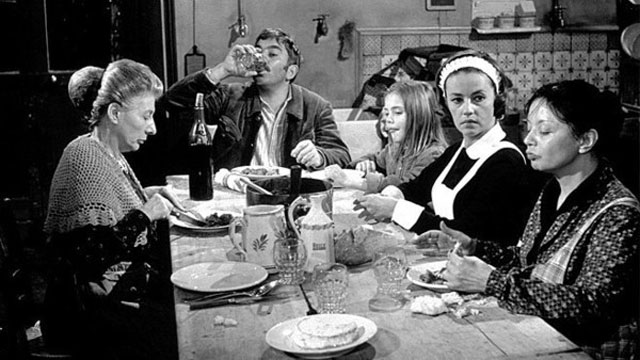
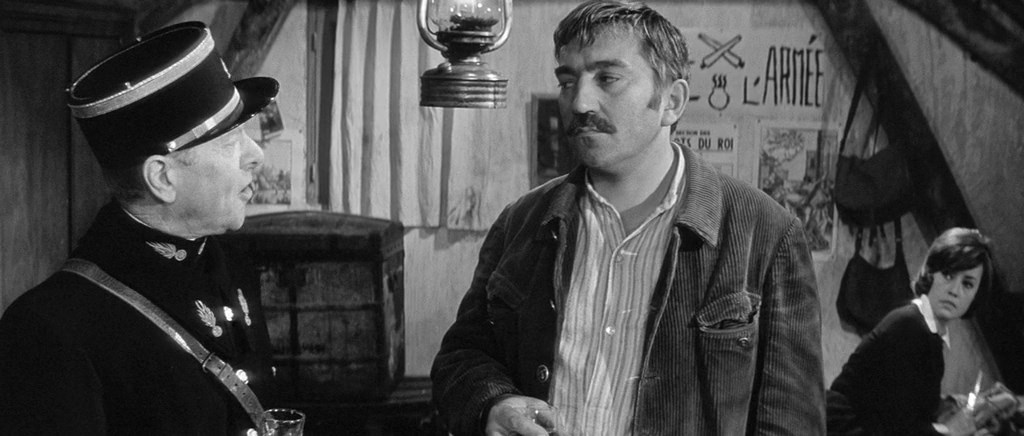
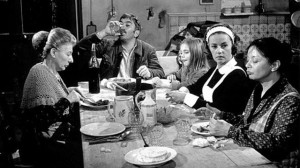
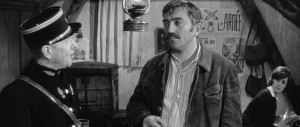
Oddly enough, Jean Renoir’s 1946 Hollywood version of Octave Mirbeau’s novel was a lot crueler and more “Buñuel-esque” than this, Buñuel’s own remarkable and neglected 1964 French version. It was the first of his many fruitful collaborations with screenwriter Jean-Claude Carriere and producer Serge Silberman, and, if I’m not mistaken, his only encounter with ‘Scope (in black and white). Formally and thematically, this is one of Buñuel’s subtlest and most intriguing late works; the novel’s action is updated to the 30s and includes a commentary on the French fascism of the period. Jeanne Moreau plays the heroine, and others in the cast include Michel Piccoli, Georges Geret, and Francoise Lugagne. The absence of a musical score makes Buñuel’s use of sound especially beguiling. In French with subtitles. 101 min. (JR)
 Read more