This review originally appeared in the March 28, 1997 issue of the Chicago Reader.-— J.R.
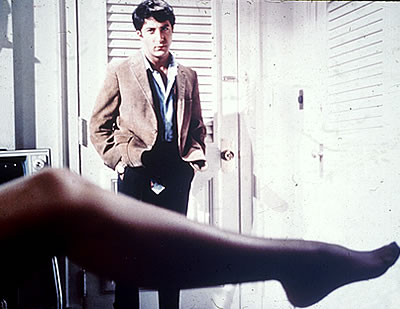
The Graduate **
Directed by Mike NicholsWritten by Buck Henry and Calder WillinghamWith Anne Bancroft, Dustin Hoffman, Katherine Ross,William Daniels, MurrayHamilton, Elizabeth Wilson,and Brian Avery.
If I feel myself as the producer of my life, then I am unhappy. So I would rather be a spectator of my life. I would rather change my life this way since I cannot change it in society. So at night I see films that are different from my experiences during the day. Thus there is a strict separation between experience and the cinema. That is the obstacle for our films. For we are people of the 60s, and we do not believe in the opposition between experience and fiction. –- Alexander Kluge, 1988
The Graduate opened in December 1967, the same month the first successful human heart transplant was performed. It was a few weeks after the premiere of Bonnie and Clyde and about three months before the launching of 2001: A Space Odyssey. Among the albums that came out the same year were the Beatles’ Sgt. Pepper’s Lonely Hearts Club Band, the Rolling Stones’ Their Satanic Majesties Request, and the Mothers of Invention’s Absolutely Free. Read more
From the Chicago Reader (April 1, 1988). — J.R.
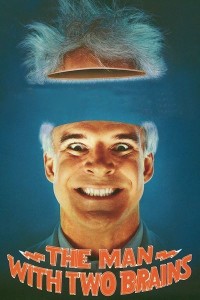
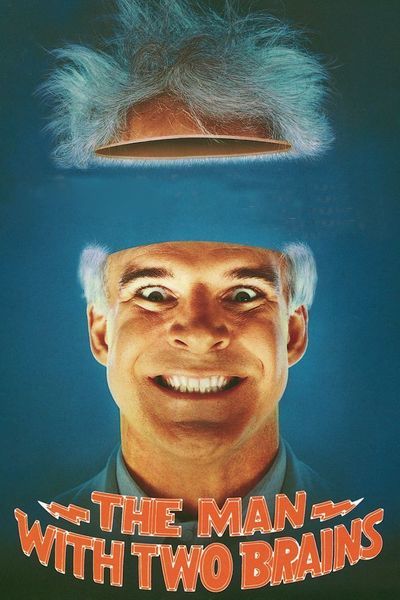
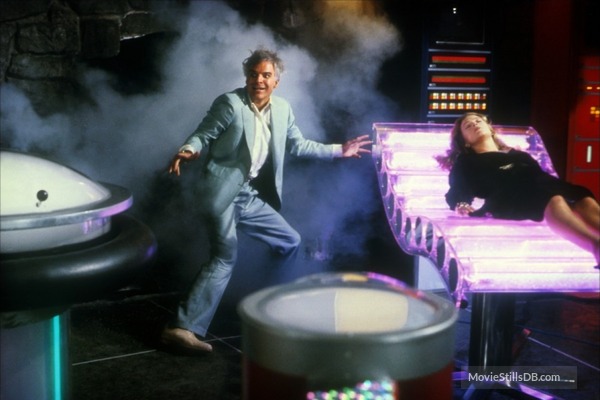
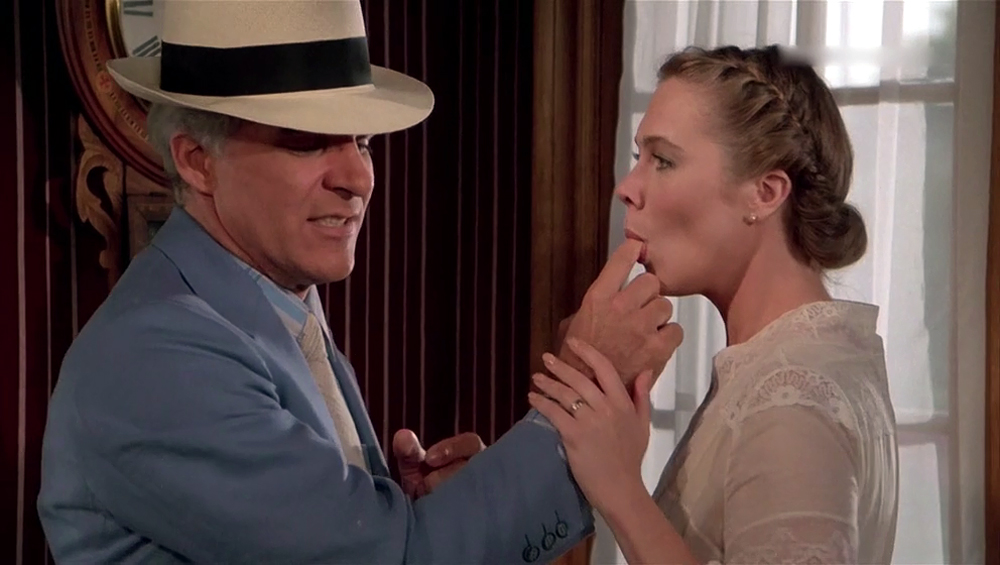
This 1983 Steve Martin vehicle may be a little slapdash here and there as filmmaking, but it probably has more laughs than any other Martin comedy (with the possible exception of The Jerk). Martin plays a brain surgeon who contrives to resurrect his bitchy, beautiful late wife (Kathleen Turner) with the transplanted brain of a gentler soul. Far from avoiding the tackier implications of this concept, the film revels in them like a puppy in clover; Martin’s delivery of the line, “Into the mud, scum queen!” is alone nearly worth the price of admission. With David Warner; directed by Carl Reiner. (JR)
Read more
From the Chicago Reader (May 1, 1988). — J.R.
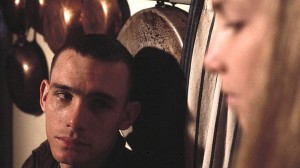
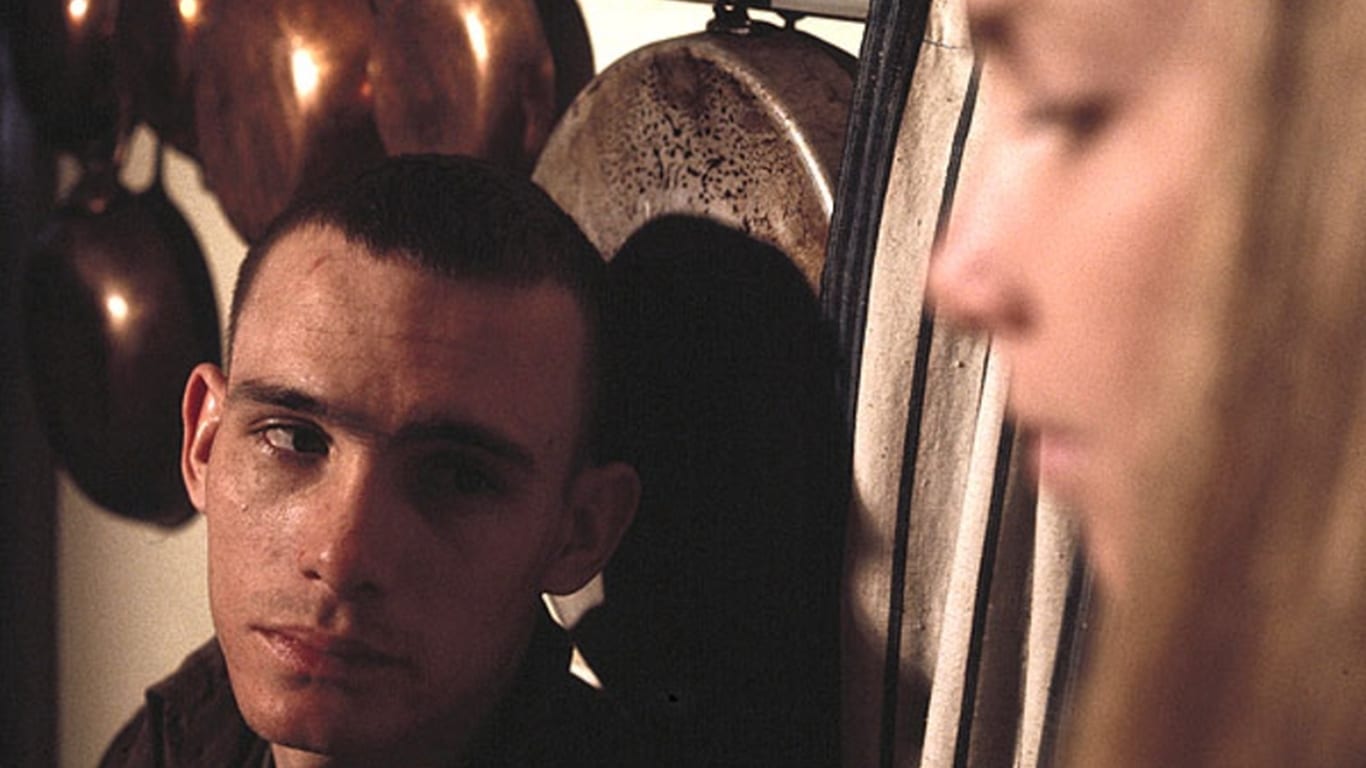
On the evidence of Elia Kazan’s recent autobiography, it is this low-budget, independent feature of 1972, shot in super-16-millimeter, that comprises his true last (or at least last personal) film, rather than The Last Tycoon, which he embarked on mainly for the money four years later. Scripted by Kazan’s son Chris and shot in and around their Connecticut homes, the film offers some disturbing yet relevant echoes of themes in other Kazan pictures: the pacifist who finds himself driven to violence and the hatred-provoked hero who squeals on his buddies (reflecting Kazan’s naming of names to the HUAC in the early 50s). Two Vietnam vets released from Leavenworth after serving time for the rape and murder of a Vietnamese woman go to visit the former buddy who turned them in, who is now living with his girlfriend and their young son in the home of her father, a macho, alcoholic novelist. There’s a lot of prolonged waiting around while the two convicts circle their prey and prepare their revenge. While Kazan makes the most of the ambiguous personalities involved — he is especially good with his James Dean-ish discovery Steve Railsback, as well as with an early James Woods performance — the abrasive sexism of the overall conception, which recalls Peckinpah’s Straw Dogs in spots, makes this the most unpleasant of all his films. Read more