From The Cine-Files, Spring 2012, issue 2. — J.R.
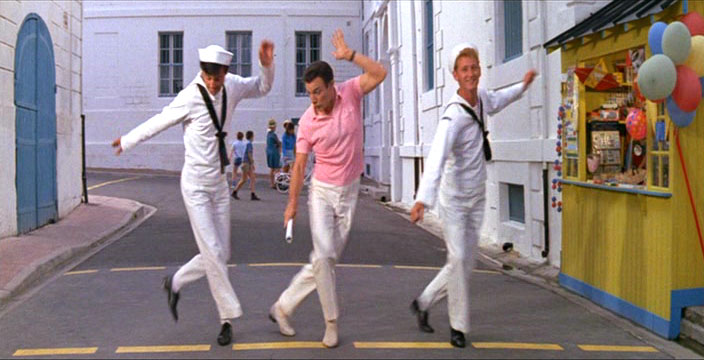
What for you makes the French New Wave such an exciting topic to study? Or… Is the French New Wave still an exciting topic to study? What can moviegoers of the 21st century take away from French New Wave films?
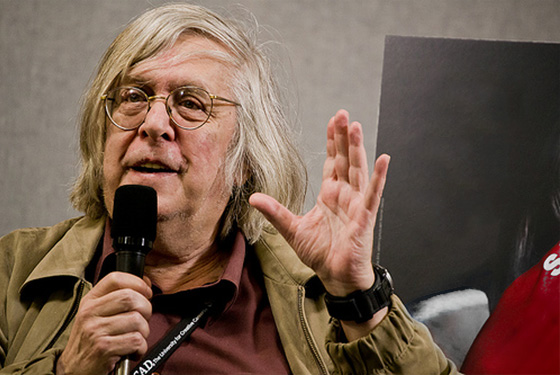
For me, the greatness of the French New Wave stemmed directly from the fact that it was the first comprehensive film movement spearheaded by film critics who were well versed in film history — an education that came about specifically through the efforts of Henri Langlois, the cofounder and director of the Cinémathèque Française in Paris, a very inspired and creative film programmer. And this was a critical appreciation that became closely tied to their filmmaking, not so much as a series of hommages as a kind of critical understanding. I’m not talking about tips of the hat to favorite movies or moments in movies, which is what we usually get in Woody Allen, Peter Bogdanovich, Francis Coppola, Brian De Palma, Martin Scorsese, and Quentin Tarantino; I’m talking about critical insights that change our sense of the movies.
Not all of the French New Wave filmmakers were critics or writers—the most notable exceptions that come to mind are Jacques Demy, Alain Resnais, Jean-Marie Straub and Danièle Huillet, and Agnès Varda (and perhaps, reluctantly, one could add Louis Malle to this list)—but I think it would be safe to say that all of them had a critical grasp of film history thanks to the programs of Langlois, and this critical grasp of film history is plainly visible (and audible) in their films. Read more
Originally posted on July 7, 2013. — J.R.
IL CINEMA RITROVATO
DVD AWARDS 2013
X edition
Jurors: Lorenzo Codelli, Alexander Horwath, Mark McElhatten, Paolo Mereghetti, and Jonathan Rosenbaum, chaired by Peter von Bagh
Because we were faced this year with an embarrassment of riches, we adopted a few new procedures. Apart from creating three new categories for awards, we more generally selected eleven separate releases that we especially valued and only afterwards selected particular categories for each of our choices. We also decided to forego our usual procedure of including individual favorites because doing so would have inflated our choices to seventeen instead of eleven, which is already two more than we selected last year.
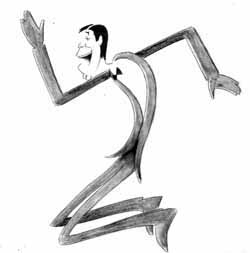
Our first new category is the best film or program at this year’s edition of Il Cinema Ritrovato that we would most like to see released on DVD or Blu-Ray. Our selection in this case is the French TV series Bonjour Mr Lewis (1982) by Robert Benayoun. Read more
Written in late July, 2014 for this recently published volume. — J.R.


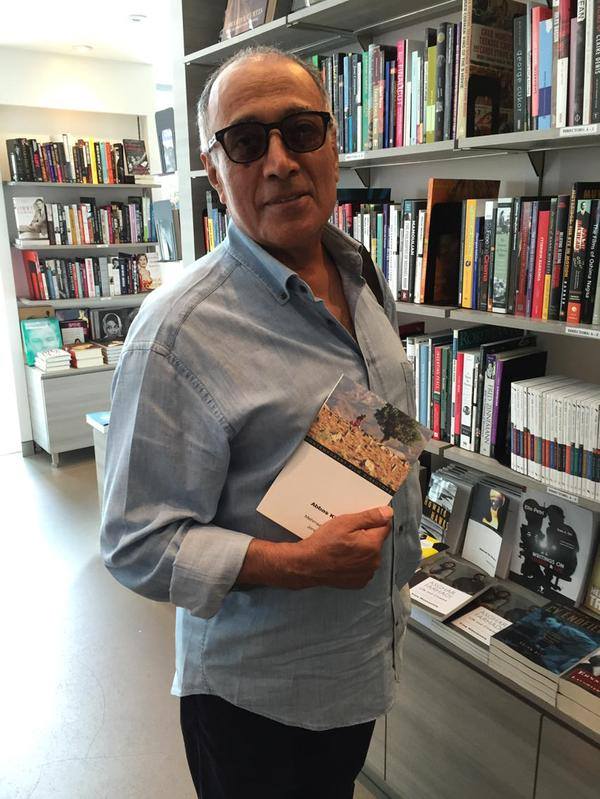
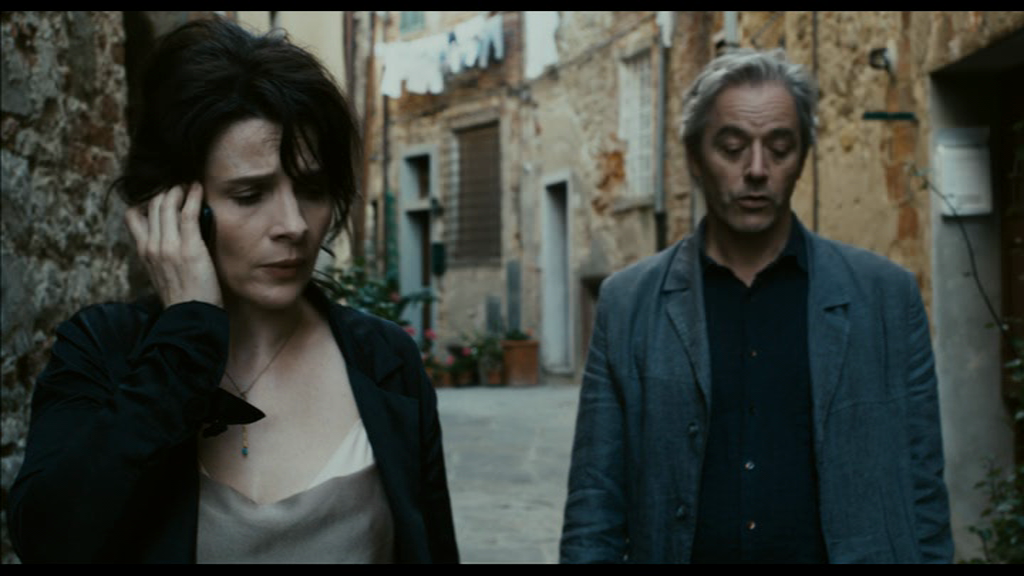
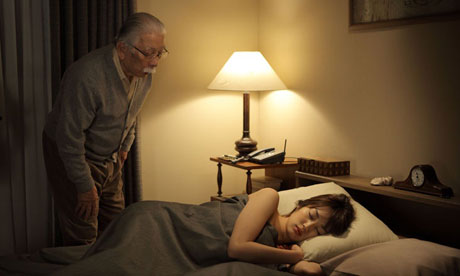
JONATHAN ROSENBAUM: Having by now covered practically all of the films of Abbas Kiarostami between us — starting with our book about him published in 2003, which dealt with all the films up through 10 (2002), and then continuing with further articles and dialogues since then, all the way up through Like Someone in Love (2012) -– it’s hard to know what we can add in the form of a Preface to the Persian translation of all of the above. Broadly speaking, I suppose one could say that over the past decade, Kiarostami has shifted from being an arthouse director to being a sort of gallery artist who worked in both film and still photography before finally, in more international and less Iranian terms, becoming an arthouse director again. Does this overall description of his evolution strike you as being accurate? And do you think Kiarostami has gained or lost anything in the process?
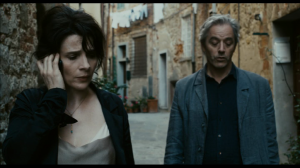
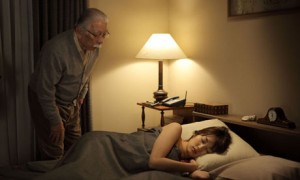
MEHRNAZ SAEED-VAFA: Your description sounds accurate to me, and I think Kiarostami has definitely gained something. He’s made several shorts and features going in different directions and styles that continue to challenge the expectations of his fans and followers. Read more