From The Soho News (September 3, 1980). –- J.R.
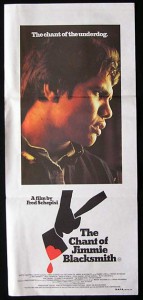
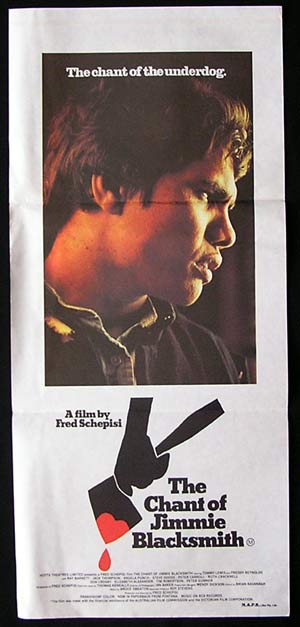
The Chant of Jimmie Blacksmith
Written and directed by Fred Schepisi
Based on the novel by Thomas Keneally
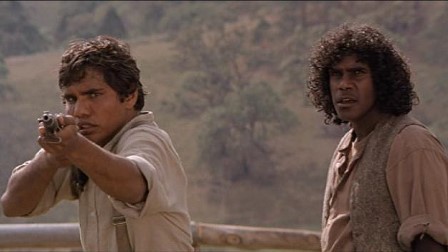
For a good 80 percent or so of its running time, the experience
of seeing The Chant of Jimmie Blacksmith affords a
salutary, beautiful shock. Films that are even halfway honest
about racism — Mandingo and Richard Pryor Live in
Concert are the most recent examples that spring to mind
— are so unexpected that they’re often accused of being racist
themselves, perhaps because of the deeply rooted taboos that
they expose and violate.
There’s no question that Fred Schepisi’s powerhouse Australian
movie — adapted from a novel by Thomas Keneally (who plays a
small but significant role as a lecherous cook), and “based on real
events that took place in Australia at the turn of the century”
(just before the federation of Australian colonies) – is agit-prop,
ideologically slanted. But then again, it’s hard to think of any
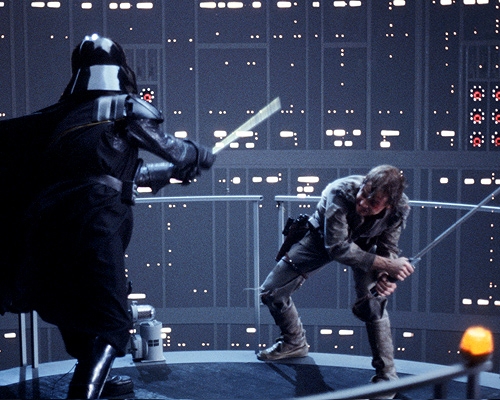
other current release — including, say, The Empire Strikes
Back and Dressed to Kill -– that isn’t.
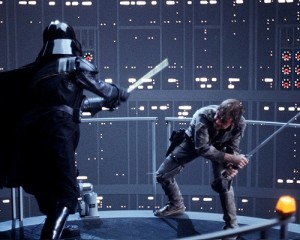
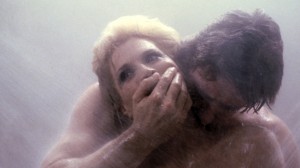
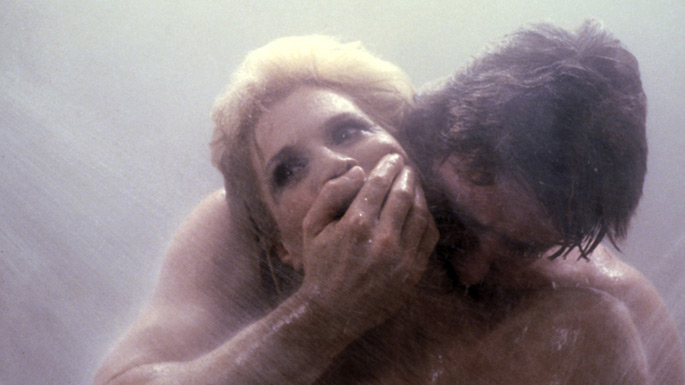
The aforementioned hits perform in part the not-so-innocent
task of turning contemporary objects of confusion and disgust
(recent architecture and sex, respectively) into occasions for
exhilarated lyricism. Read more
This is a story initially written, as I recall, during the summer of 1959, as I was preparing to leave Alabama for a boarding school in Vermont, although the version I’m posting here, most likely revised, was printed in the school’s literary magazine in June 1961, around the time of my high school graduation. I’ve done some light editing. The illustrations, which I realize are not always precisely congruent with the story, are gleaned from the Internet. This story is the last in a series of three to be posted on this site, all fantasies and all written when I was in high school . — J.R.
The Change
By Jonathan Rosenbaum
It happened near the end of summer, which is when I guess a lot of changes take place. The three of us, Mickey, George and I, were out at Mickey’s family camp on the lake, swimming and doing our best to forget that we only had two more days before we went off to start our first year at college.
The sun was hot and white that day, but the lake was dark and cool. Read more
My 27th column for Caiman Cuadernos de Cine, formerly known as Cahiers du Cinéma España, which appeared, I believe, in their July-August 2012 issue. — J.R.
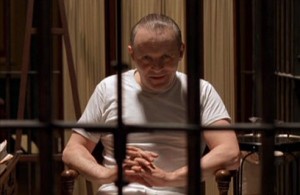
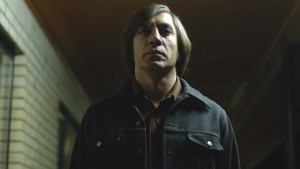
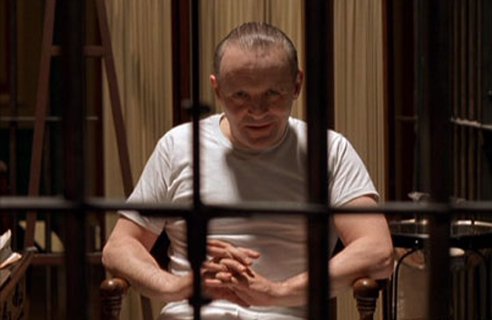
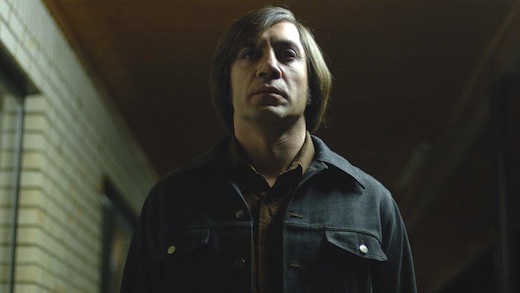
I have a habit as a critic that I suspect irritates some of my readers. When I find that my opinion about a new film differs substantially from that of the mainstream, I sometimes theorize that the reasons for this must be ideological. In this manner, I speculated that the immoderate fascination of other Americans with the mad serial killers of The Silence of the Lambs (1991) and No Country for Old Men (2007), which somehow seemed motivated by a twisted identification with them -– and especially with the capacity and eagerness of these psychotics to kill innocent people without any compunctions — were related to the fact that these films came out during the first and second Gulf wars, when Americans were killing innocent people with no compunctions at all, and sometimes even exhibiting comparable displays of glee about this mindless activity.
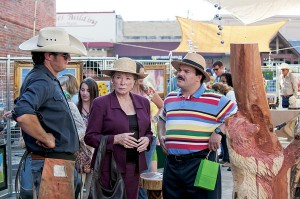
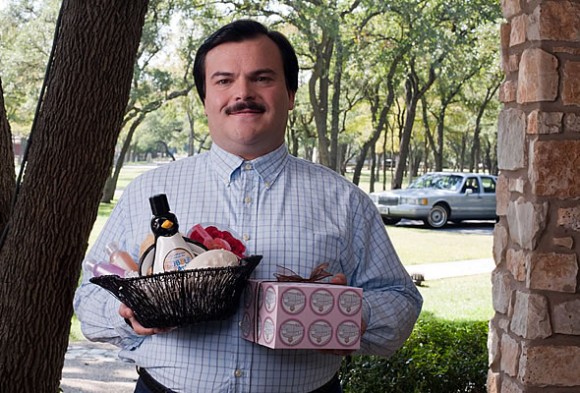
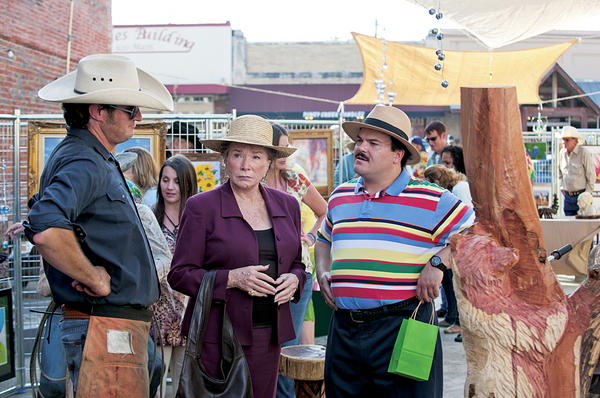
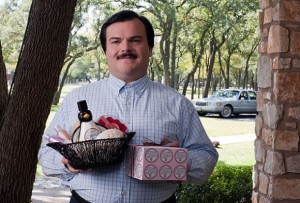
More recently, I’ve been puzzling over the fact that Richard Linklater’s latest feature, Bernie, a masterpiece that has been clearly delighting many of the audiences that come to see it, was only released after many delays, wasn’t sent to Cannes, and has been doing poorly at the box office — a fate similar to that of Linklater’s previous feature, Me and Orson Welles (2011), another treasured project which took him many years to finance, and one also dominated by a remarkable central performance (Christian McKay as Orson Welles, Jack Black as Bernie Tiede). Read more