Written in mid-February 2013 for the publication of the Chinese edition of James Naremore’s Acting in the Cinema, which was originally scheduled for publication in China in 2014. It finally came out much later. This is the second Introduction I’ve written for a Chinese translation of a Naremore book; my previous one was for More Than Night: Film Noir in its Contexts. — J.R.
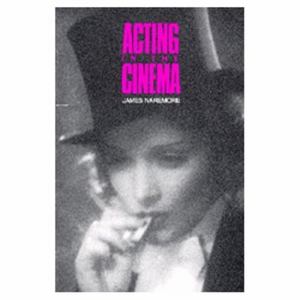
In film criticism, acting tends to be the most neglected single aspect of cinema — one that’s especially difficult to describe and also easy to confuse with other skills and effects in filmmaking, to cite only two of the reasons for its neglect. Often not knowing whose creativity and whose creative decisions are the most relevant, we easily become confounded over issues of intentionality, agency, credit, and defining precisely what it is that we’re responding to, which becomes all the more difficult due to the mythological auras that surround famous actors.The few times that I’ve tried to write about actors myself in any detail, such as Kim Novak, Marilyn Monroe, Eric von Stroheim, and Charlie Chaplin, I’ve concentrated mainly on those auras, and in the case of the latter two, I’ve even found it hard to separate their acting from their writing and directing. Read more
From the Chicago Reader (December 4, 1991). — J.R.
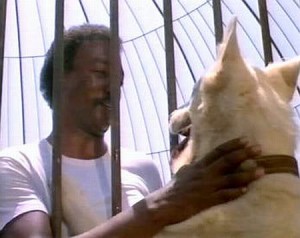
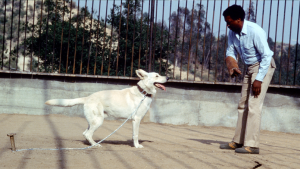
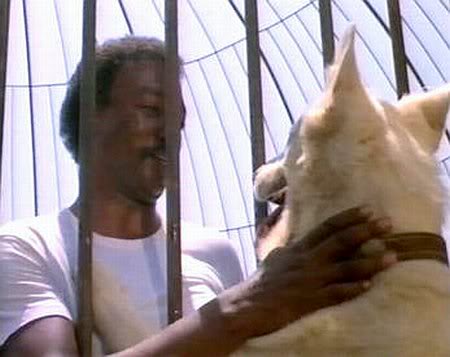
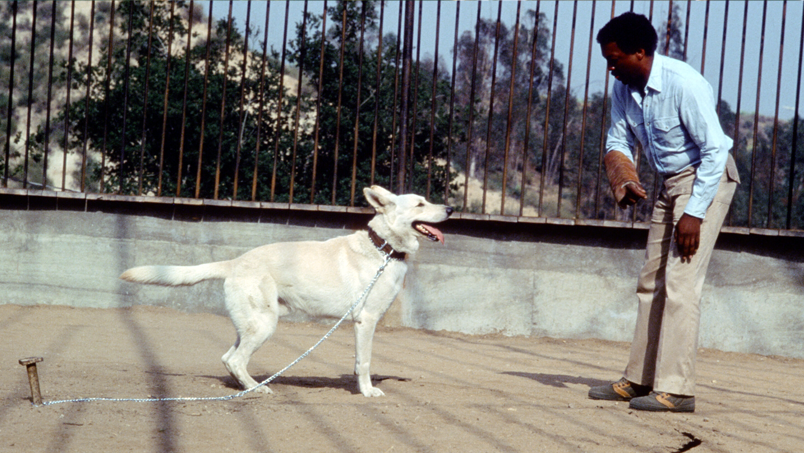
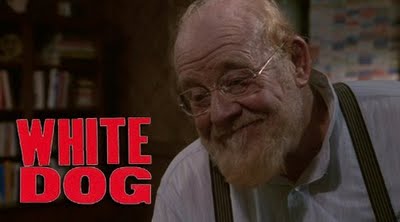
Previously released only in Europe, expatriate Samuel Fuller’s powerful and corrosive masterpiece about American racism — his last work shot in this country — focuses on the efforts of a black animal trainer (Paul Winfield) to deprogram a dog that has been trained to attack blacks. Very loosely adapted by Fuller and Curtis Hanson from a memoir by Romain Gary and set in southern California on the fringes of the film industry, this heartbreakingly pessimistic yet tender story largely concentrates on tragic human fallibility from the vantage point of an animal; in this respect it is like Robert Bresson’s Au hasard Balthazar, and Fuller’s brilliantly eclectic direction gives it a nearly comparable intensity. Through a series of grotesque misunderstandings, this unambiguously antiracist movie was yanked from U.S. distribution nine years ago partly because of charges of racism made by individuals and organizations who had never seen it. But it is one of the key American films of the 80s. With Kristy McNichol, Burl Ives, Jameson Parker, and, in cameo roles, Dick Miller, Paul Bartel, Christa Lang, and Fuller himself (1982). (Music Box, Friday and Saturday, December 6 and 7, midnight)
 Read more
From Cinema Scope #20 (Autumn 2004). — J.R.

One of the most flagrant lacks in most jazz films is the spectacle of musicians listening to each another. Back in the early 60s, when I was frequenting a lot of downtown Manhattan jazz clubs, some of my biggest thrills came from visiting spots where many of the best and most attentive listeners were those on the bandstand —- not only the classic John Coltrane Quartet at the now defunct Half Note, where McCoy Tyner, Jimmy Garrison, Elvin Jones, and the serene leader were all meditating on one another’s solos in a kind of trance, but Lennie Tristano at the same club taping his own sets with Warne Marsh and Lee Konitz and then playing them back in the wee hours, while he sat alone at the bar. Sitting a few seats away from him one night, I felt I was getting an education in listening by observing this prodigious blind pianist’s highly physical responses, both positive and negative, to his own solos.
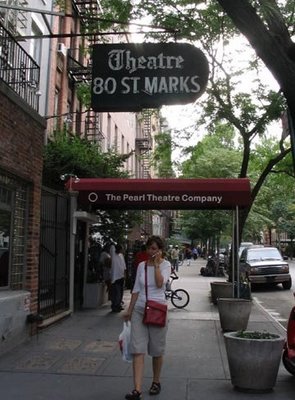
No less precious was the opportunity to attend the Jazz Gallery on St. Mark’s Place one weeknight when Miles Davis, Coltrane, Cannonball Adderley, J.J. Johnson, Bill Evans, Paul Chambers, and Philly Joe Jones were all holding forth in alternation with Teddy Wilson’s trio for (I kid you not) the price of a one-dollar admission, at least for students. Read more