The Heart of the World****
Directed and written by Guy Maddin
With Leslie Bais, Caelum Vatnsdal, Shaun Balbar, and Hryhory Yulyanovitch Klymkyiev.
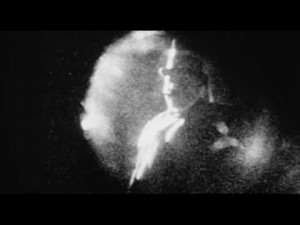
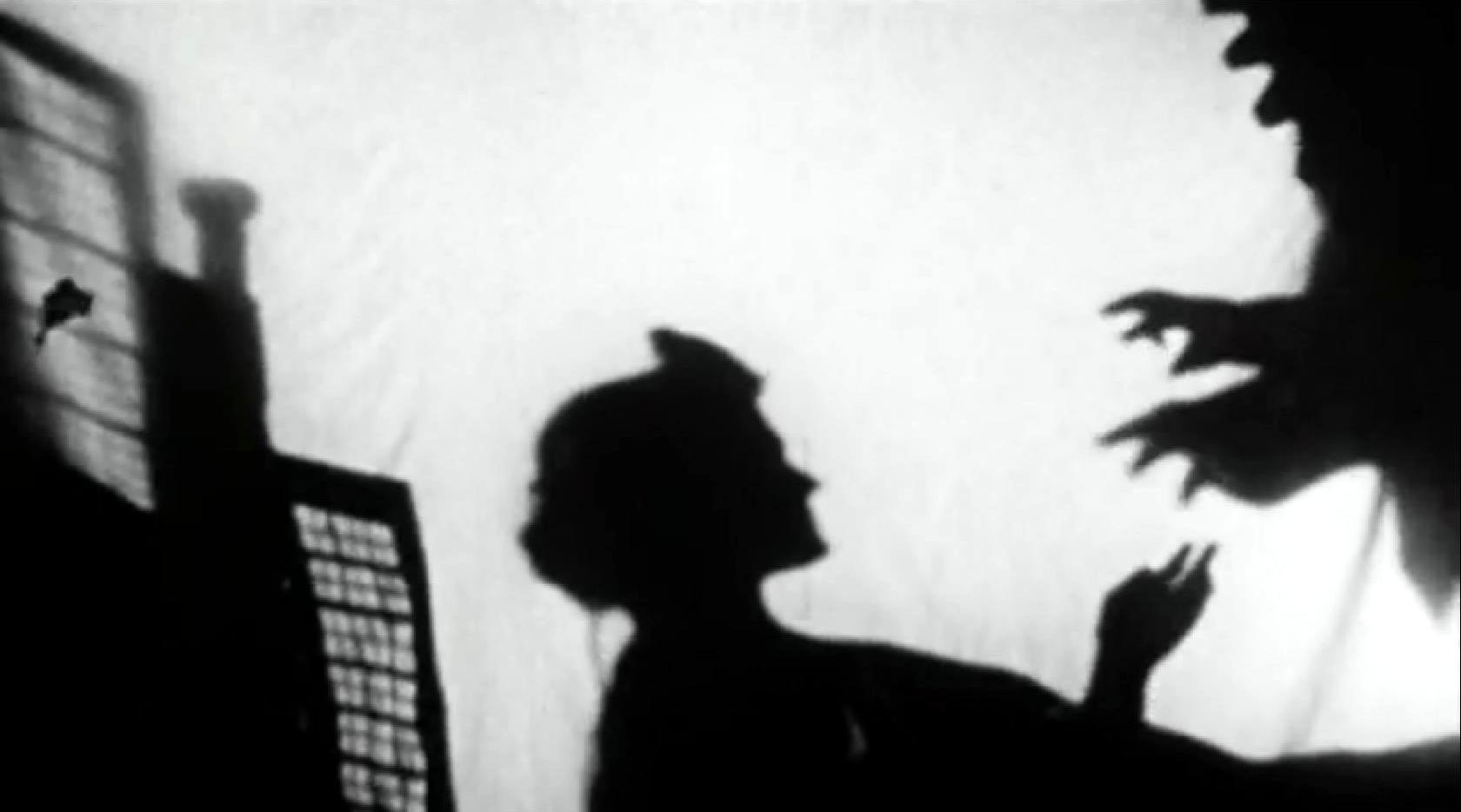
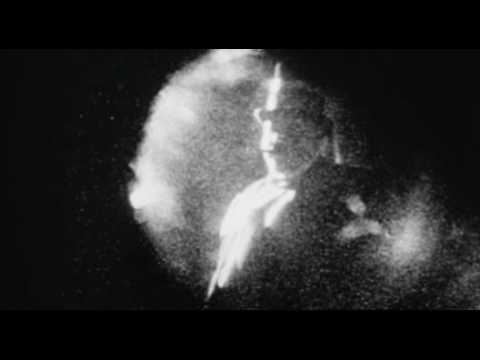
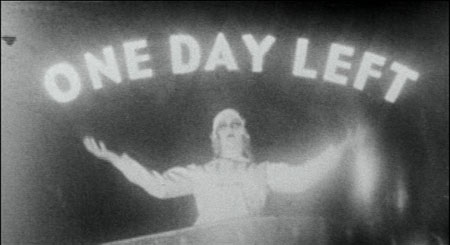
It lasts only about seven minutes, making it roughly comparable in length to a Bugs Bunny cartoon, but Guy Maddin’s The Heart of the World — which opens this week at Landmark’s Century Centre with The Last Resort — conjures up a universe so vast and wacky that anyone can get lost in it. Like any film released in February, it has a very poor chance of getting an Oscar, because the Academy Awards nominators — who know better than anyone how such honors are designed to sell more than evaluate — don’t want to consider many candidates released before Thanksgiving. But for my money it’s better than any of the current best-feature nominees. It has more action and is quite a bit funnier. I’d even call it inexhaustible.
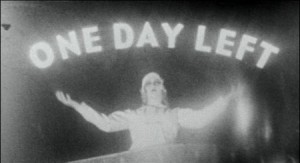
Maddin’s movie premiered last September at the Toronto film festival, which had commissioned it as one of several “preludes” by leading Canadian filmmakers to run unannounced before the features, a series designed to celebrate the festival’s 25th anniversary. It was commonly regarded as the best film shown at this gala event, though I’m not sure I’d go quite that far. Read more
From Sight and Sound, Winter 1982/1983, and reprinted in my collection Placing Movies. It was initially commissioned by Peter Biskind for American Film, who decided not to run it and paid me a kill fee, so I sent it next to Penelope Houston, who accepted it without hesitation. Originally, this piece was designed to be run with my translation of a brief, early piece by Barthes (“Au Cinemascope,” originally published in Les Lettres Nouvelles, February 1954). To my frustration, after Sight and Sound secured the rights to run this piece, they wound up omitting it due to lack of space, but it has subsequently appeared online in at least two places: here and here (the latter on this site). — J.R.
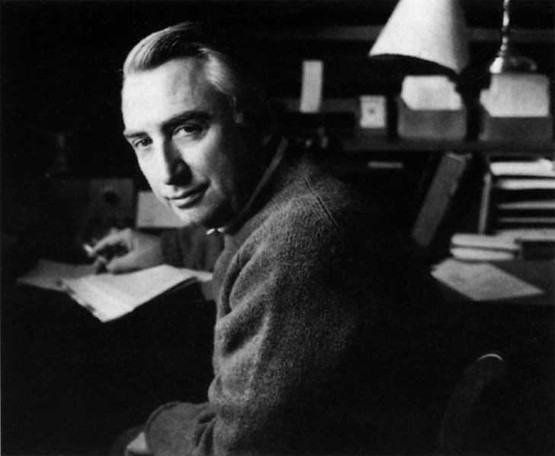
One reason for looking at the late Roland Barthes’ writings about film is that we all tend to be much too specialized in the ways that we think about culture in general and movies in particular. Far from being a film specialist, Barthes could even be considered somewhat cinephobic (to coin a term), at least for a Frenchman. Speaking to Jacques Rivette and Michel Delahaye in 1963, he confessed, “I don’t go very often to the cinema, hardly once a week” — inadvertently revealing the French passion for movies that can infect even a relative nonbeliever. Read more
A 2018 column for Caimán Cuadernos de Cine, submitted shortly before the New Year. — J.R.
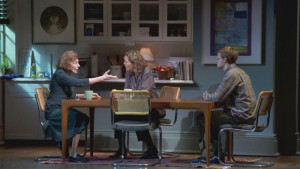
Shortly before Christmas, I flew from Chicago to New York in order to witness Elaine May on Broadway as she powerfully and persuasively played the lead role in a two-act Kenneth Lonergen play, The Waverly Gallery, about her character’s encroaching senility and memory loss. It’s as if May, now pushing 87, asked herself, “What terrifies me more than anything else?” and then decided to enact, embody, and exorcise that terrifying condition eight times a week, playing a compulsive talker who is gradually losing both her mind and her ability to communicate with her daughter, her son-in-law, her grandson, and the only new painter in her Greenwich Village gallery, all of whom eventually give up on her even when they start to share some of her irrationality and incoherence.

Although I usually process May’s genius more in terms of cinema than in terms of theater, perceiving the grim darkness of her performance here in relation to the tragic finality of her feature Mikey and Nicky, this also makes an intriguing bookend with An Evening with Mike Nichols and Elaine May, which ran on Broadway 58 years ago under Arthur Penn’s direction and featured a certain amount of improvisation. Read more