From the Chicago Reader (June 21, 1996). — J.R.

Welcome to the Dollhouse
Rating ** Worth seeing
Directed and written by Todd Solondz
With Heather Matarazzo, Brendan Sexton Jr., Telly Pontidis, Herbie Duarte, Daria Kalinina, and Matthew Faber.
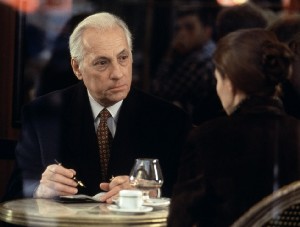
Nelly and Monsieur Arnaud
Rating *** A must see
Directed by Claude Sautet
Written by Sautet, Jacques Fieschi, and Yves Ulmann
With Emmanuelle Beart, Michel Serrault, Jean-Hugues Anglade, Claire Nadeau, Francoise Brion, Michele Laroque, and Michael Lonsdale.
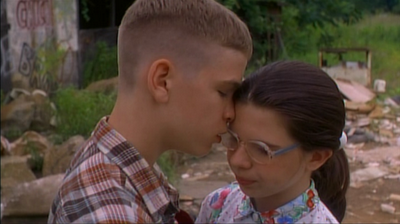

It’s hard to think of two stark depictions of blocked libido more dissimilar than Todd Solondz’s Welcome to the Dollhouse and Claude Sautet’s Nelly and Monsieur Arnaud. But they share at least one trait that deserves to be cherished — a trait that sets them apart from most other new movies. Both offer lively alternatives to the current lackluster, middlebrow exemplars of “literary” cinema — Cold Comfort Farm, The Horseman on the Roof, The Postman, Sense and Sensibility — clogging up our art theaters, beckoning us to feel more educated and civilized and thereby keeping out other movies that might address our everyday lives more directly. (I haven’t seen Moll Flanders, but I suspect that it and the horrendous Disney animated feature Hunchback of Notre Dame are mainstream versions of the same spreading disease.) Read more
From the Chicago Reader (November 16, 2001). — J.R.
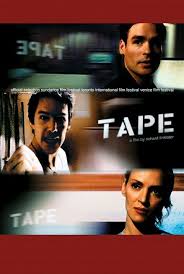
Tape ***
Directed by Richard Linklater
Written by Stephen Belber
With Ethan Hawke, Robert Sean Leonard, and Uma Thurman.
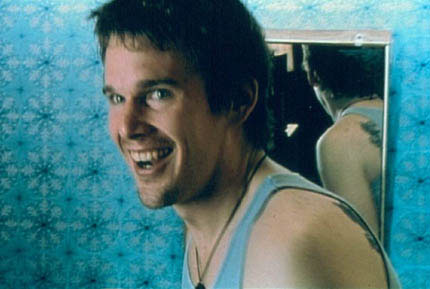
It seems that the less we know about a subject, the likelier we are to be assertive about it. And journalists play a big role in making people feel knowledgeable about what they don’t know. That’s why we keep encountering more and more twaddle about the state of world cinema even though the growth of digital video makes it impossible for anyone to keep up with the state of local cinema in any large city, much less any country, still less the world. All journalists can honestly say is that more and more works are being made and that keeping up with them is no longer possible. It was only days after an Iranian friend and I completed a book about Abbas Kiarostami that a New York critic E-mailed us about two new Kiarostami works we hadn’t even heard of — a ten-minute short for an episodic feature and a fiction feature in DV that he’s in the final stages of editing.

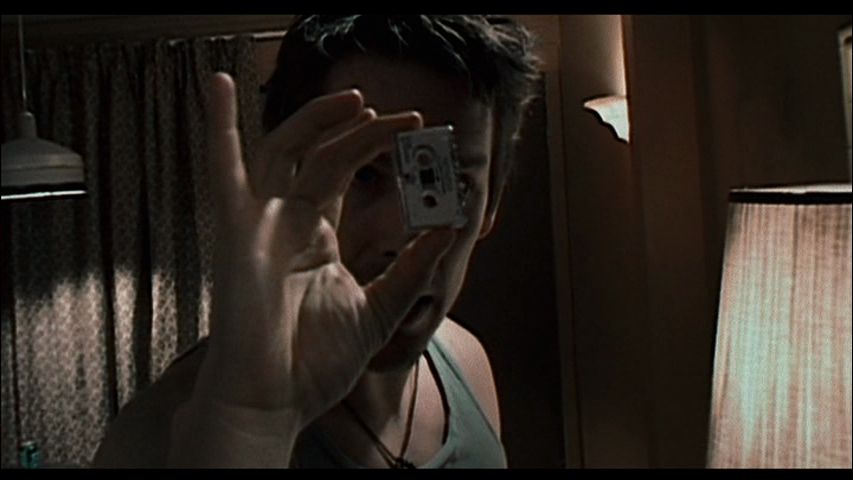
DV equipment is so easy to shoot with –it’s compact, light, inexpensive, unobtrusive — that it’s hard to keep up with how filmmakers are using the technology. Read more
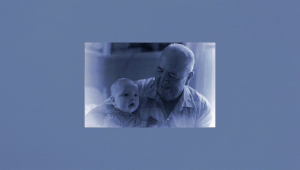
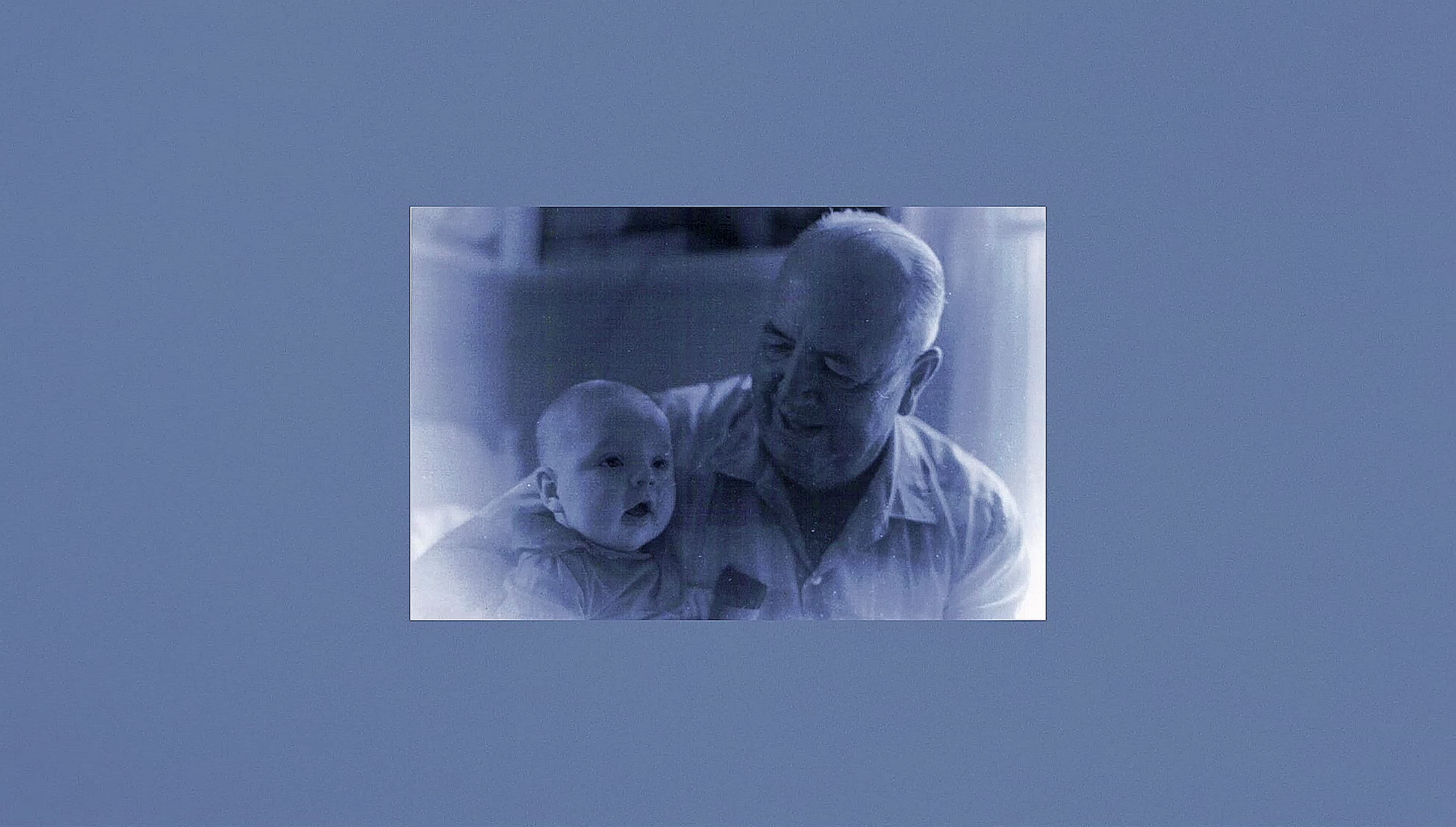
Travis Wilkerson with his great-grandfather
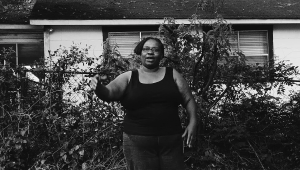
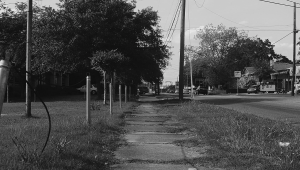
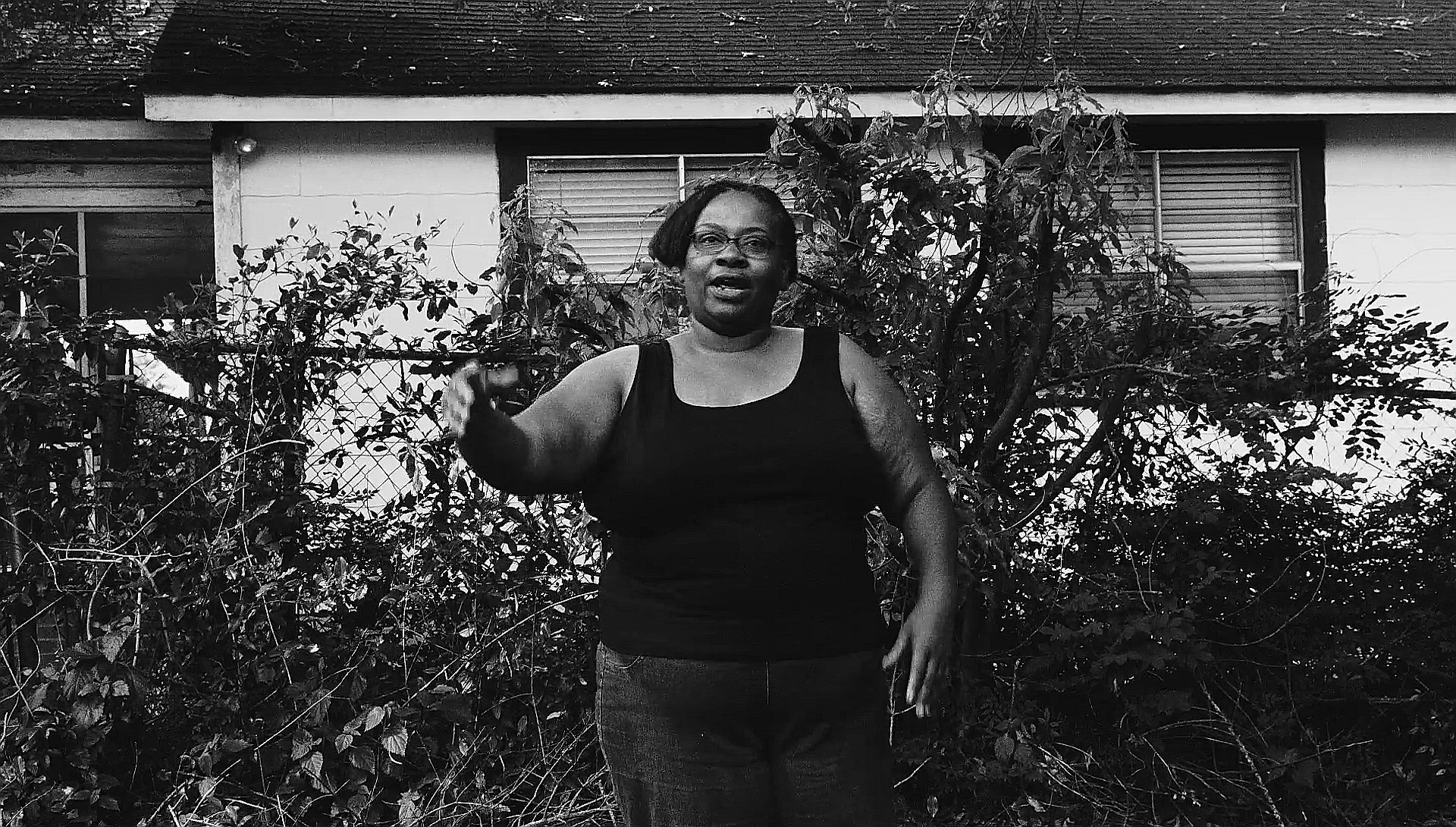
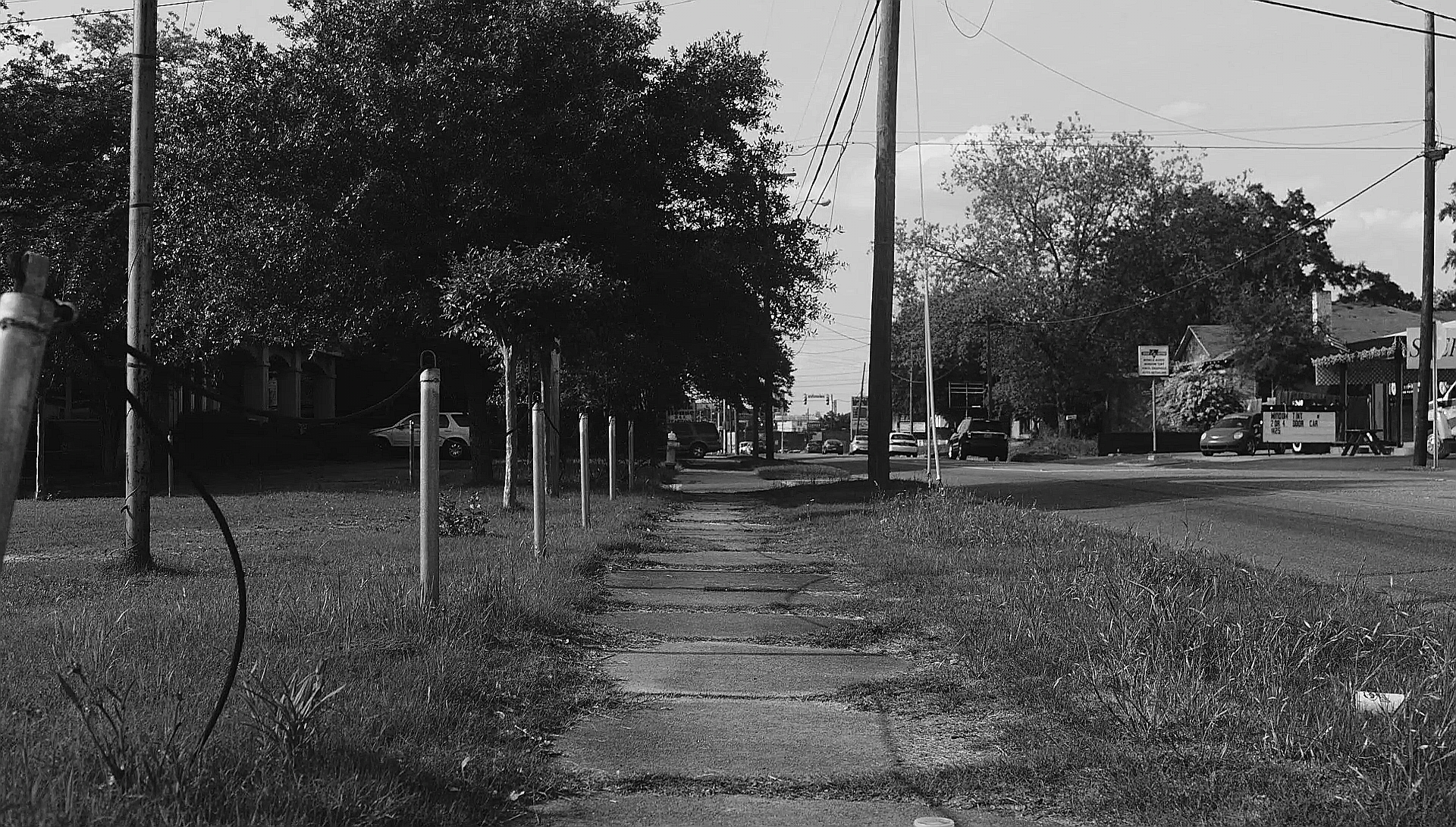
I gather that Travis Wilkerson’s amazing personal essay film about the murder of a black man by his great-grandfather in Dothan, Alabama in 1946 will be at New York’s Film Forum through March 13. I’m grateful to A.O. Scott for his enthusiastic review, which, by alerting me to this film’s existence, made me forgive Scott for what appeared to be his blindness to the subtler forms of racism and class bias practiced by Woody Allen in the reviewer’s latest “troubled” Times ruminations about that profoundly overrated figure. Even if I’m not the only one who views Manhattan as a hipper version of Trump’s “Make America great [i.e., white] again” — it was the late Allan Sekula who first pointed out to me how the absence of people of color on the streets of New York was part of what made it all seem so dreamy and romantic — the habit of avoiding racism when it appears in your own backyard is hardly unique to Scott. It’s even part of what makes New Yorkers and Alabamans seem similar to me, after living for many years in both places. (I grew up in Florence, to the northwest of Dothan — the other side of the state, and closer to the part of Tennessee where Wild River was filmed and is set.) Read more
From the Chicago Reader (November 3, 2000). — J.R.

Book of Shadows: Blair Witch 2
rating: 0
Directed by Joe Berlinger
Written by Dick Beebe and Berlinger
With Kim Diamond, Jeffrey Patterson, Erica Geersen, Tristine Ryler, and Stephen Ryan Parker.
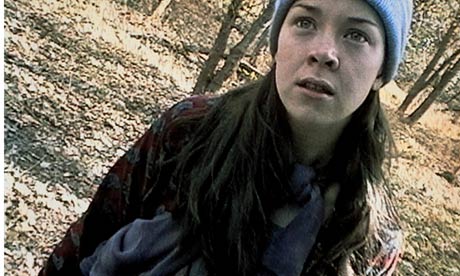
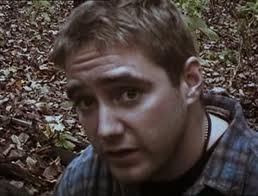
Call me naive, but unlike many of my colleagues I thought the unexpected runaway success of The Blair Witch Project in the summer of 1999 was encouraging, not depressing. I saw it as an indication that contemporary teenagers are far from the hardened cynics media “experts” make them out to be and that special effects and a handful of stars aren’t their sole reasons for wanting to see a movie. Its appeal offered a clear challenge to the studios and even forced the film industry to let it play in malls — an astonishing accomplishment for an independent pseudodocumentary that cost only $30,000.
I don’t consider the movie any sort of masterpiece and fully acknowledge its primitive conceptual and technical aspects, but I still think it expresses something about its young fans that’s authentic and powerful: a feeling of helplessness about their isolation and ignorance in relation to the world that’s central to its impact as a horror movie. If that isolation and ignorance led some viewers to initially see it as a real documentary, this is a tribute to the movie’s effectiveness — which makes it similar in some respects to Jim McBride’s David Holzman’s Diary, a 1967 low-budget pseudodocumentary that also fooled many young viewers. Read more