Daily Archives: June 12, 2024

Bordwell on Dreyer (a book review)

From the November-December 1981 issue of Film Comment. I was gratified to learn from David Bordwell, via his own web site (as well as an email to me), that he’s eventually come around to agreeing with my major complaint about his book. (For an update to his link to my subsequent essay about Gertrud, go here. However, his link to this essay no longer works, so here’s one that does.)

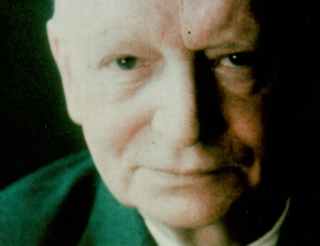
The photograph of Dreyer immediately below is by Jonas Mekas. — J.R.
The Films of Carl-Theodor Dreyer by David Bordwell. 251 pp., illustrations, index, University of California Press, $29.50
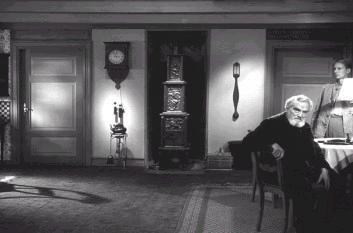
In relation to Roland Barthes’ distinction between readerly and writerly texts, David Bordwell — an academic marvel who organizes huge masses of material with an uncanny sense of what can or can’t be assimilated –- should be considered a master of the teacherly text. His ambitious textbook written with Kristin Thompson, Film Art: An Introduction (Addison-Wesley, 1979), has rightly been regarded as a landmark to many film teachers — a sort of Whole Systems Catalog of formal registers in film that, like Dudley Andrew’s The Major Film Theories, makes a good bit of relatively difficult material accessible to students. Read more
Recommended Reading (and Thinking)

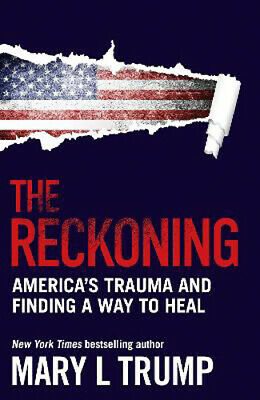
The merit of Mary L. Trump’s energizing and persuasive new book, The Reckoning: Our Nation’s Trauma and Finding a Way to Heal, which usefully combines psychology with our national history, is its demonstration of the diverse ways that denial shapes not only much of our politics but most of our media. It might also be argued that, as Mary Trump periodically implies, the principal agent of that denial is capitalism, which trumps democracy (pun intended) whenever it can.

The main form of denial Mary Trump’s book is concerned with is related to the trauma caused by American genocide and enslavement and the myth of white supremacy that has sought to justify and sustain these practices, but it applies equally well to the history of this country’s obscurely motivated and ill-defined wars, most recently the military occupation of Afghanistan. The media’s emphasis on the messinessn of our military withdrawal is predicated entirely on capitalist assumptions that (1) messiness is always what people want to watch the most, (2) ignoring and in effect denying the messiness of previous unnecessary wars to make the end of the present one seem unique and unprecedented. Our other military occupations, and our eventual messy withdrawals (e.g., Read more