THE HOUSE IS BLACK
The following was commissioned by and written for Asia’s 100 Films, a volume edited for the 20th Busan International Film Festival (1-10 October 2015). — J.R.
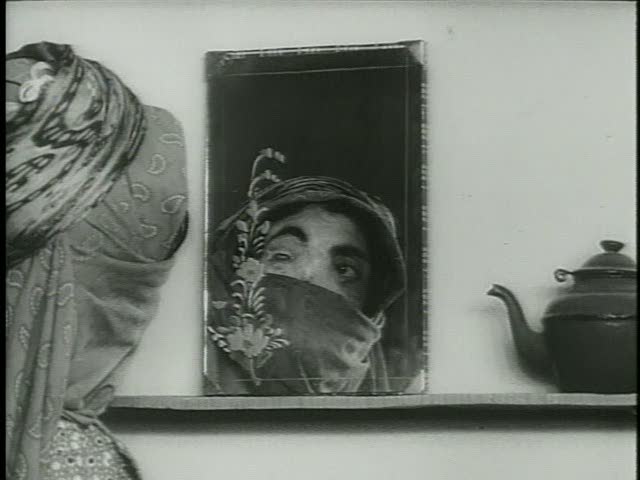
The House is Black is the most acclaimed of all Iranian documentaries. It was directed by Forough Farrokhzad (1935-1967), widely regarded as the greatest of all Iranian women poets and the greatest Iranian poet of the 20th century, who died in a car accident when she was only 32. It was Farokhzad’s only film, produced in 1962 by her lover Ebrahim Golestan (an important filmmaker in his own right, for whom she also worked as an editor, and who serves as one of the film’s narrators). The film observes the tragic life of lepers in an isolated leprosy hospital (a hell on earth and a nest of suffering and death) near Tabriz in northwestern Iran. The Society for Assisting Lepers commissioned the film, and the director’s intention was “to wipe out this ugliness and to relieve the victims.”
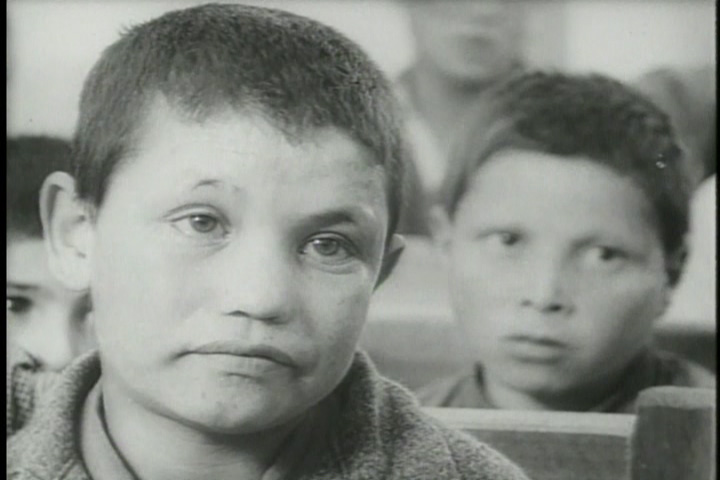
Farrokhzad avoids infringement by creating a close relationship with the lepers, and by searching for the seeds of joy and vitality within the hopelessness. She depicts the inhabitants in their daily occupations, having meals, praying, the children playing ball and attending school. Read more