From the Village Voice (February 28, 1974). -– J.R.
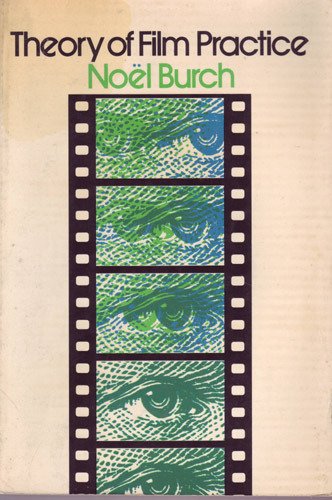
Theory of Film Practice
A book by Noël Burch
Praeger, $3.95 and $8.95
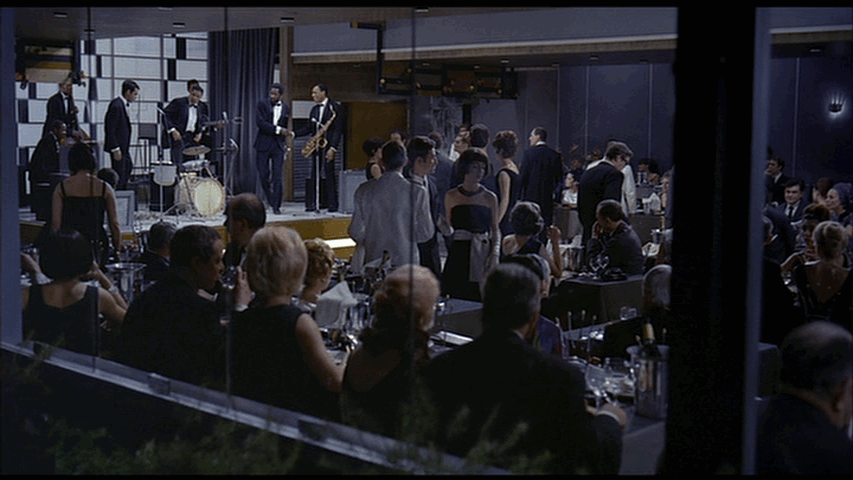
“These comments were written before the release of Tati’s ‘Playtime’. Even if they still hold true for films in general, they are not applicable to Tati’s film, the first in the history of cinema that not only must be seen several times, but also must be viewed from several different distances from the screen. In its form, it is probably the first truly ‘open’ film. Will it remain an isolated experiment? Masterpieces somehow eventually assert their authority and become models.”
— “Theory of Film Practice”
It seems oddly appropriate that “Theory of Film Practice” should appear in Cahiers du Cinéma that same year (1967) that “Playtime” opened in Paris, and also that they should arrive in America at approximately the same time. Films that re-define the language and syntax of cinema are rare in any period, and it is hardly surprising that books that do the same are even less common.
Both works, emerging out of years of reflection, stand defiantly apart from the surrounding landscape, inviting us to share that broad perspective. Each offers us a fresh garden of possibilities in the midst of a familiar terrain by drawing us into a kind of creative collaboration that requires, at least implicitly, that we become film makers. Read more
From the Chicago Reader (March 15, 1991). — J.R.
THE NASTY GIRL
** (Worth seeing)
Directed and written by Michael Verhoeven
With Lena Stolze, Monika Baumgartner, Michael Gahr, Fred Stillkrauth, Elisabeth Bertram, Robert Giggenbach, and Hans-Richard Muller.
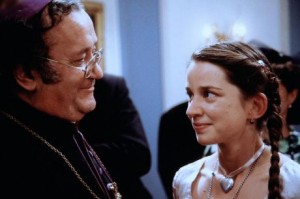
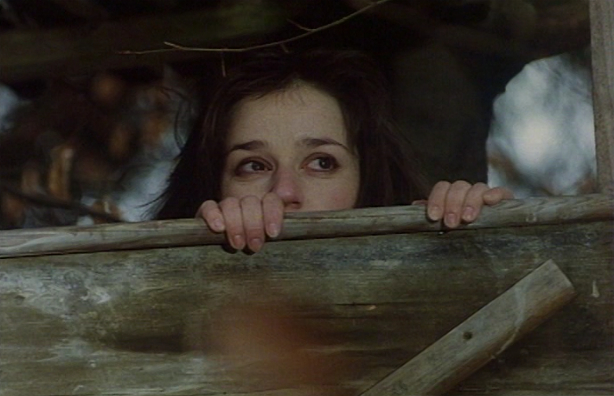
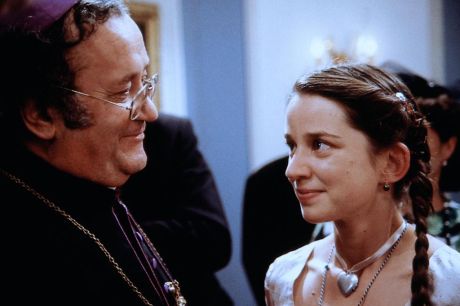
We’re told at the outset of Michael Verhoeven’s The Nasty Girl that Anja Rosmus inspired this film. What we aren’t told is who Rosmus is or how closely this film is based on what happened to her in the 1980s.
Born in 1960 and raised in the Bavarian city of Passau — where Adolf Hitler spent part of his childhood and where Adolf Eichmann was later married — Anja Elisabeth Rosmus, the daughter of two schoolteachers, had a comfortable, middle-class, Catholic upbringing. When she was 20, she won first prize in a national essay contest, writing about privacy and public freedom in European politics and history. The following year she entered another national essay contest, this time settling on a local topic: “An Example of Resistance and Persecution: Passau, 1933-1939.” Having been brought up to believe that her hometown was a bastion of resistance against the Nazis, largely through the efforts of the local Catholic church, she thought she was undertaking a project that would enhance local pride and was surprised by the defensiveness and hostility she encountered from certain quarters outside the church. Read more
From the Chicago Reader (May 18, 2001). — J.R.
The King Is Alive
*
Directed by Kristian Levring
Written by Levring and Anders Thomas Jensen
With Miles Anderson, Romane Bohringer, David Bradley, David Calder, Bruce Davison, Brion James, Peter Kubheka, Vusi Kunene, Jennifer Jason Leigh, Janet McTeer, Chris Walker, and Lia Williams.
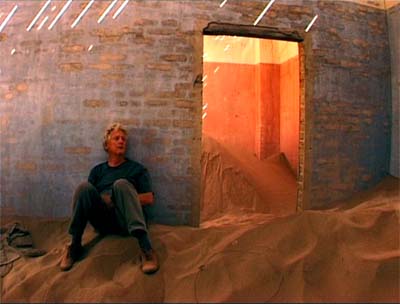
The King Is Alive, directed and cowritten by Kristian Levring, is the fourth film to have the dubious honor of qualifying for certification under the rules of the Dogma 95 manifesto, whose professed aim is to get back to the basics of realism — shooting, for example, in natural locations with handheld cameras, direct sound, and natural lighting. But what’s basic or realistic and what isn’t, in terms of film history and technique? The manifesto also insists that movies be shot in color, a rather ahistorical reading of what’s basic — unless one labels all possible uses of color in film realistic and all possible uses of black and white artificial.
If that’s the operative assumption, The King Is Alive triumphantly refutes it. The movie was shot with three digital video cameras — unlike Thomas Vinterberg’s Dogma film The Celebration, which was shot with only one, and Lars von Trier’s Dancer in the Dark (not a Dogma film, but made by one of Dogma’s founders), which was shot with a hundred — and that might make it seem new as well as passé. Read more
From Monthly Film Bulletin, October 1975. — J.R.
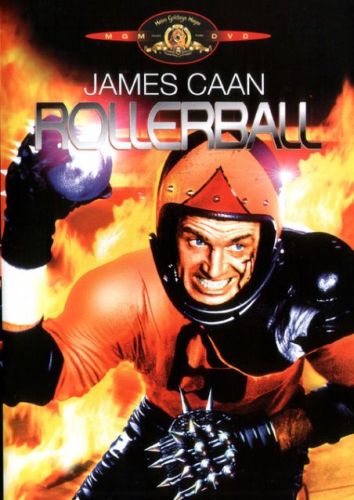
Rollerball
U.S.A., 1975 Director: Norman Jewison
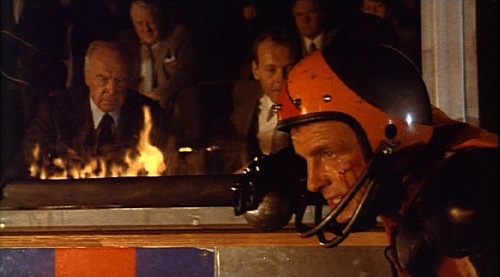
A classic demonstration of how several millions of dollars can be
unenjoyably wasted, Rollerball postulates an unlikely future society
from which war, poverty, illness and individual initiative have all
magically vanished, but then resolutely refuses to show it, reserving
all its heavy hardware for the brutal mechanics of an exceedingly
dull sport that is presumed to make this invisible anti-utopia
possible. Featuring a noble savage hero who stumbles clumsily
after an obscure mystery like a donkey running repeatedly into a
brick wall — James Caan reprising his performance in The Gambler
without the literary quotes, in a comparable embodiment of
mindless masochism-and a Sphinx-like villain (John Houseman)
who glowers occasionally to illustrate which side he’s on, this
glib fable seems to be aiming at a simplified version of A
Clockwork Orange without any intimations of wit or satire to
carry the vague moralistic message. Futuristic extrapolation, apart
from the central conceit, is mainly restricted to a couple of
streamlined buildings and the same lettering design recurring
whenever possible; humor, aside from an irreverent (if
implausible) scene with Ralph Richardson as a computer
librarian, usually figures only unintentionally, for instance
when Jonathan E is informed that Moonpie’s brain has ceased
to function — the first indication in the script that it has ever
functioned at all; the multi-track musical accompaniment
principally comprises an anthology of classical favorites
used in previous films.Notwithstanding Read more
From The Soho News (June 4, 1980). In the interests of full disclosure, I should note that Jackie Raynal was and is one of my dearest friends. — J.R.
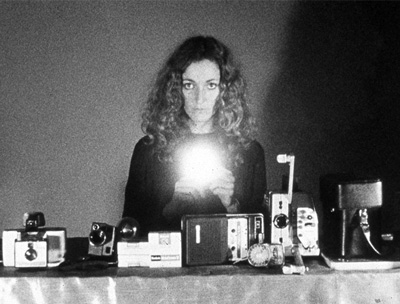
Deux Fois
A Film by Jackie Raynal
Bleecker Street Cinema, June 9
Debt Begins at Twenty
A Film by Stephanie Beroes
Millennium, May 24

Recalling my four successive visits to the Cannes Film Festival in the early ’70s — when the daily glut of movies and accompanying hardsell was already enough to turn a hardened film freak into a deflated beachball — I still harbor fond memories of the kind of movies that used to spend my days looking for, and the ones that would savor for days more, days on end, once I found them. They were movies that allowed me and Cannes to slow down and linger a bit and regain our strength, and afforded us that pleasure by refusing to hype us into or out of anything that denied either of us the solipsistic joy of total self-absorption.
By taking their own sweet time (all the time in the world) to explore their own bittersweet fantasies, and allowing us to follow them only if we insisted, these movies were like little self-contained oases conjured up and plunked down improbably in the midst of camel stampedes, which is probably why so many of my colleagues hated them — and why most of you, in turn, have heard of so few of them, if any at all. Read more
From the Chicago Reader (February 1, 1998); updated and upgraded in December 2012. — J.R.
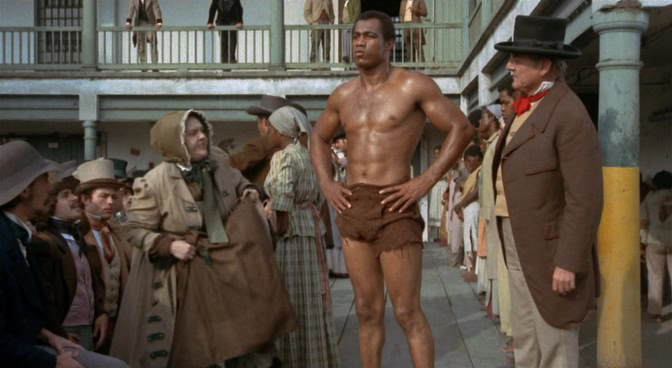
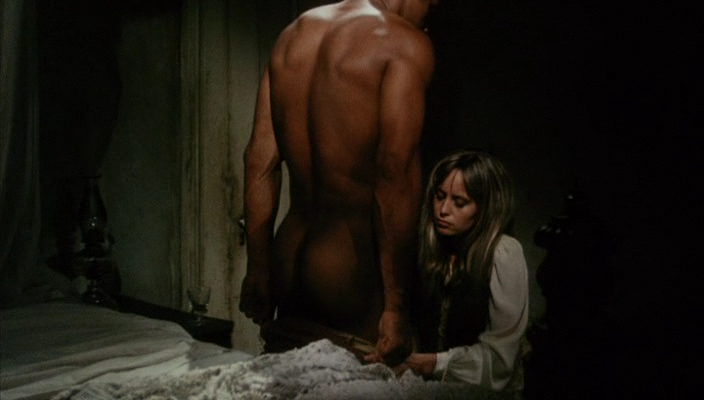
One of the most neglected and underrated Hollywood films of its era, Richard Fleischer’s blistering and undeniably lurid 1975 melodrama about a slave-breeding plantation in the Deep South, set in the 1840s, was widely and unjustly ridiculed as camp in this country when it came out. But apart from this film, Herbert J. Biberman’s 1969 Slaves, and Charles Burnett’s 1996 Nightjohn, it’s doubtful whether many more insightful and penetrating movies about American slavery exist. (2012 note: Quentin Tarantino’s thigh-slapping Django Unchained — a film so historically whimsical that it can show us a slave who’s an expert marksman, can read, and even puts on sunglasses after he becomes a free man — clearly isn’t one of them; at best it’s another Tarantino True Life Adventure for ten-year-old boys — ten-year-old girls need not apply.) Scripted by Norman Wexler from a sensationalist novel by Kyle Onstott; with James Mason, Susan George, Perry King, Richard Ward, Brenda Sykes, and Ken Norton. (For further and much more detailed edification on this subject, check out Robin Wood and Andrew Britton.) (JR)
 Read more
From the Chicago Reader (October 1, 1989). — J.R.
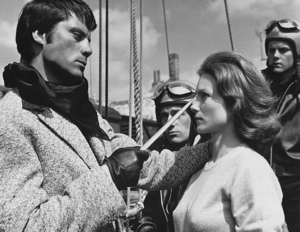
Joseph Losey’s black-and-white SF thriller, made in 1962 during his pre-Pinter British period, begins as a sort of love story — MacDonald Carey is an American businessman who shows interest in Shirley Anne Field and as a consequence gets beaten up by teddy boys led by Oliver Reed — then gradually turns into an antinuclear parable about radioactive children sequestered from humanity in an underground cave. Originally titled The Damned, the film was mangled by distributors but later restored for TV; more than an interesting curiosity, it’s one of Losey’s best English efforts, and Viveca Lindfors contributes a striking part as an eccentric sculptress. 96 min. (JR)
 Read more
Written for Moving Image Source‘s “Moments of 2012”, posted January 10, 2013. — J.R.
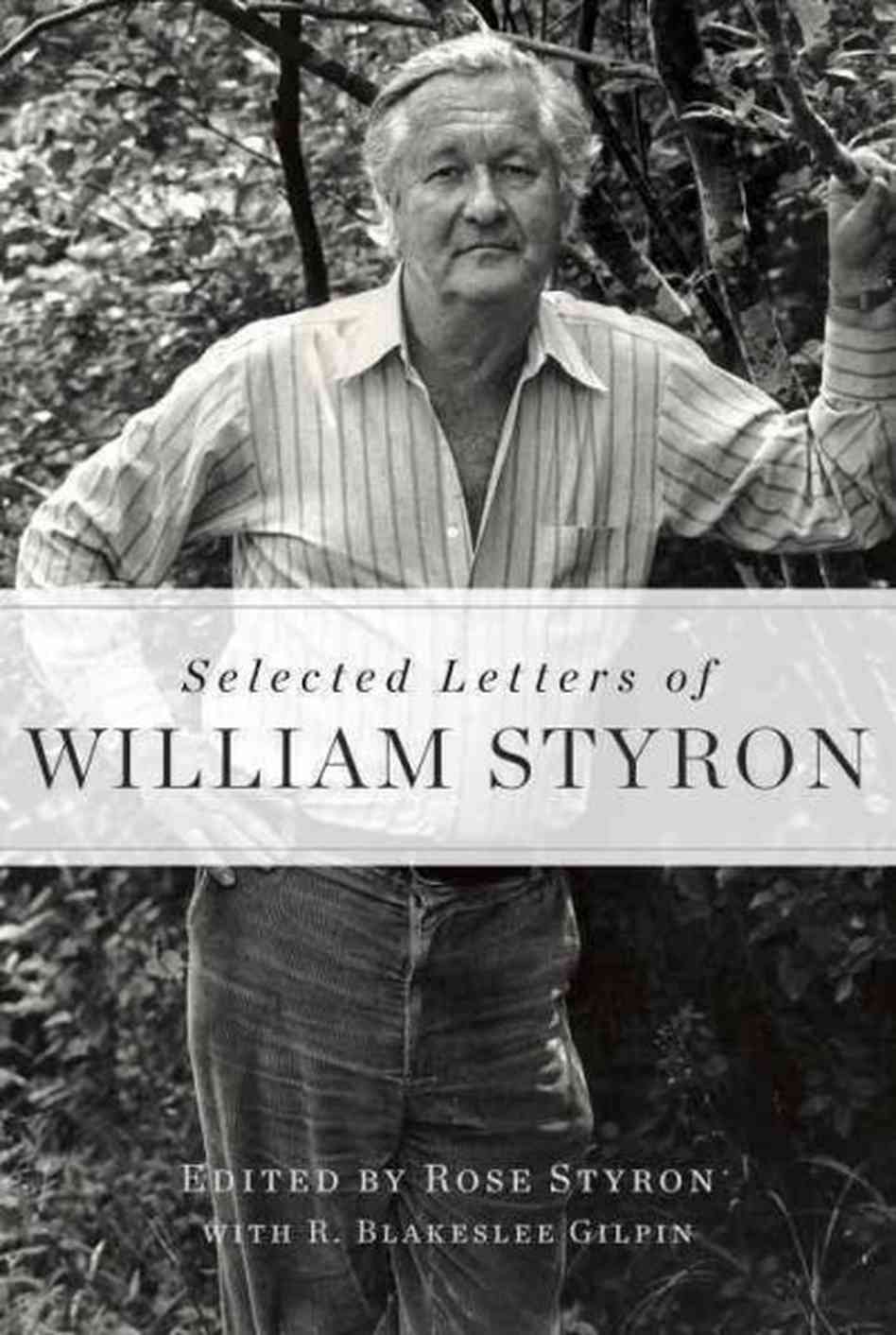
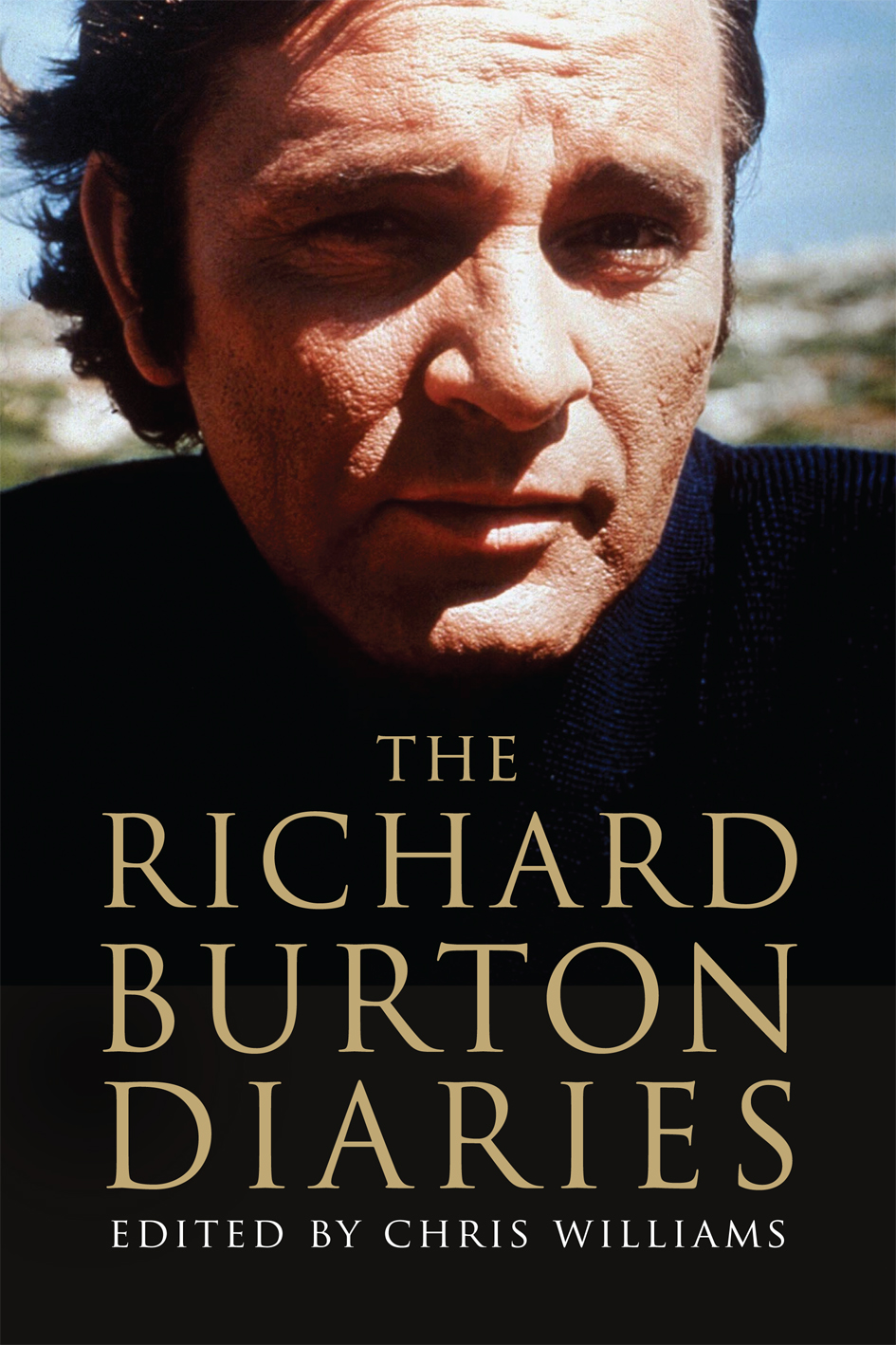
This holiday season, part of my light reading has consisted of browsing through two new doorstop-size books, each over 600 pages long, Selected Letters of William Styron and The Richard Burton Diaries. The differences between them have been both telling and surprising, at least to me. Both men were heavy drinkers and literary pontificaters who spent much of their social lives hanging out with celebrities, but Styron—the more prestigious and respectable of the two, and admittedly the one I respected more before broaching these two volumes — proves to be an utter, sanctimonious bore, seemingly more interested in career management than in life, while Burton, forever the shameless hack actor, has both an interest in life and a wry sort of humor about it that sparkles on every page.
Admittedly, there’s not necessarily much correlation between artistic talent and the way one communicates with one’s self or with friends, acquaintances, and relatives. My own semi-admiration for Styron stems mainly from what I remember favorably about Set This House on Fire and Sophie’s Choice — two of his less respectable efforts, according to this country’s literary tastemakers, but possibly more because of their perceived subject matter than because of their dramatic achievements. Read more
From the Chicago Reader (October 1, 1995); corrected and updated in September 2012. — J.R.

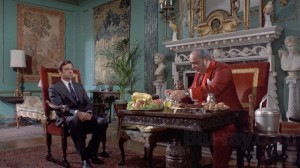
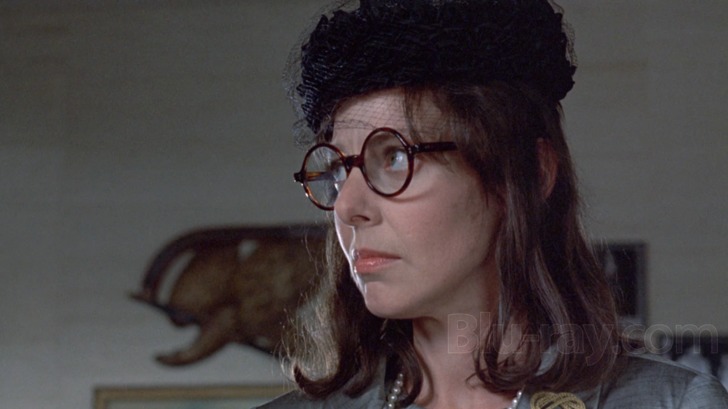
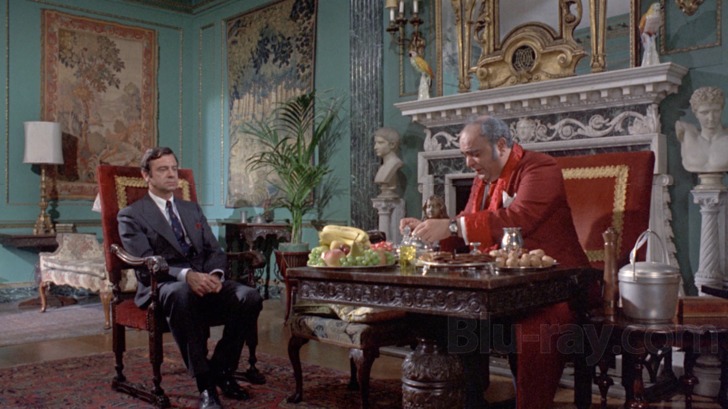
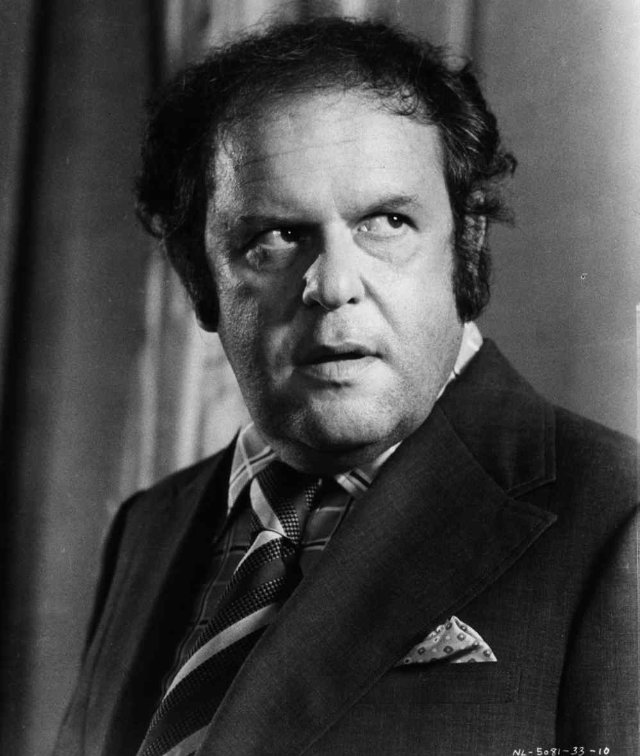
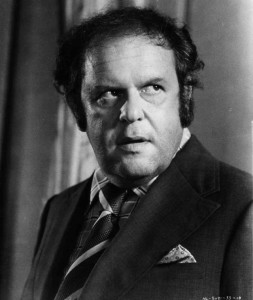
Writer-director-star Elaine May’s first feature (1971). Not all of it works, and the studio cut some of the darker elements (including a murder sequence that May avows was one of the funniest things Jack Weston ever did), but it’s still an often brilliant and frequently hilarious comedy. Walter Matthau, cast wildly against type, plays a spoiled playboy suddenly deprived of his wealth who plots to marry and murder a wealthy, klutzy, and clueless botanist (May, playing sort of a female Jerry Lewis). May’s savage take on her characters irresistibly recalls Stroheim; she’s at once tender and corrosive (as well as narcissistic and self-hating). This is painful comedy, to be sure, but there’s a lot of soul and spirit behind it. With James Coco, George Rose, and William Redfield. (JR)
 Read more
Given to Indiewire in March 2013:
THE SPIELBERG POLL

BEST FILM
You may vote for up to 5 films.
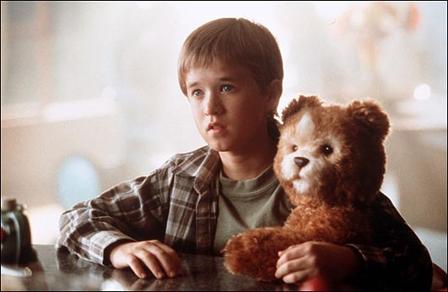
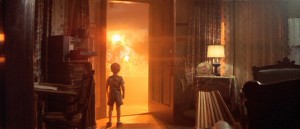
1. A.I. Artificial Intelligence
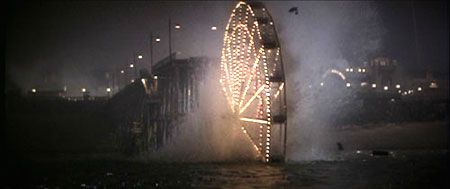
2. 1941
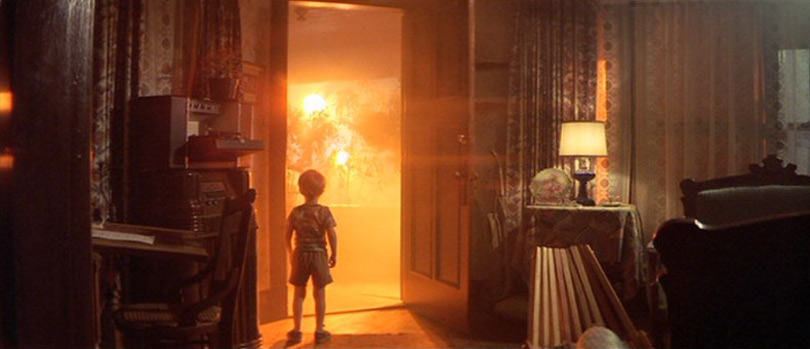
3. Close Encounters of the Third Kind
4.
5.
BEST DIRECTING JOB
You may vote for up to 5 films.
1. 1941
2. A.I. Artificial Intelligence
3. Close Encounters of the Third Kind
BEST LEAD PERFORMANCE
You get five votes. Remember to list both an actor’s name and the title of the film he or she appears in.
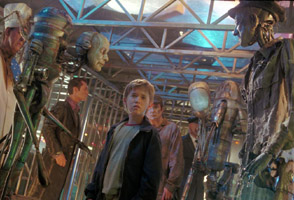
1. Haley Joel Osment (David) in A.I. Artificial Intelligence
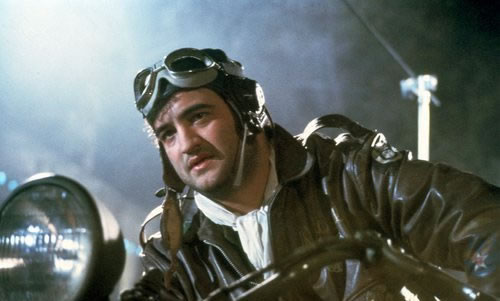
2. John Belushi (Captain Wild Bill Kelso) in 1941

BEST SUPPORTING PERFORMANCE
You get five votes. Remember to list both an actor’s name and the title of the film he or she appears in.
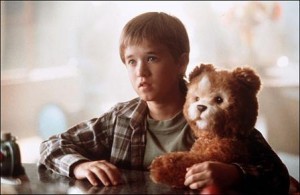
1. Teddy (teddy bear/prop/special effect) in A.I. Artificial Intelligence
2. Jude Law (Gigolo Joe) in A.I. Artificial Intelligence

BEST SCENE
You get five votes. Feel free to include an explanation of why a certain scene/moment/sequence made your list.
1. last scene in A.I. (emotional virtuosity and bleakness)
2. restaurant sequence in 1941 (technical virtuosity and exhilaration)
BEST HERO
You get five votes. Include the character name and the film in which he/she appears.
1. Haley Joel Osment (David) in A.I. Read more
From the Chicago Reader (May 27, 1988). — J.R.
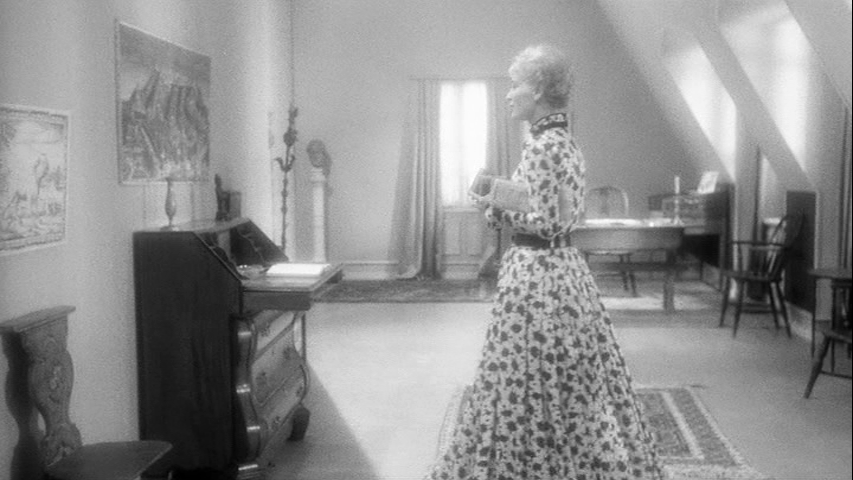
Carl Dreyer’s last film, one of the most controversial movies ever made, would be my own candidate for the most beautiful, affecting, and inexhaustible of all narrative films, but it is clearly not for every taste — not, alas, even remotely. Adapted from a long-forgotten play by Hjalmar Soderberg written during the early years of this century, it centers on a proud, stubborn woman (Nina Pens Rode) who demands total commitment in love and forsakes both her husband and a former lover for a young musician who is relatively indifferent to her. It moves at an extremely slow, theatrical pace in lengthy takes recorded mainly in direct sound (although shot principally in a studio), and deserves to be ranked along with The Magnificent Ambersons, Lola Montes, and The Man Who Shot Liberty Valance as one of the great haunted memory films. In a way, the meaning of this film partially hinges on the refusal and/or inability to compromise, and what this means over the range of an entire life (in this case, Dreyer’s as well as his heroine’s). The eponymous heroine may be regarded as a monster, a sublime and saintly martyr, or, most likely, as an impossible fusion of the two. Read more
From the Chicago Reader (April 1, 2005). — J.R.
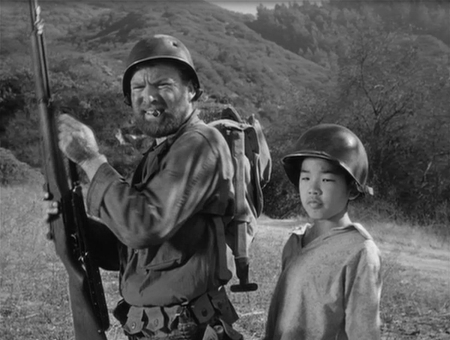
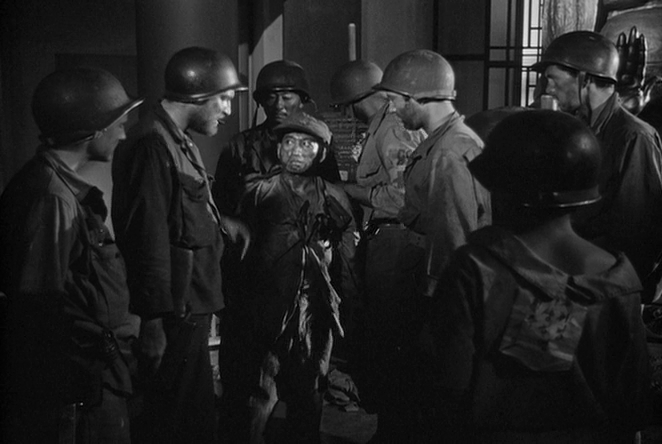
Sam Fuller’s first and greatest war film (1951) is even better in its terse and minimalist power than the restored version of The Big Red One released last year. The first Hollywood movie about the Korean war, this introduced Gene Evans, the gruff star Fuller was to use many more times, as a crude, bitter, savvy sergeant who, despite his obvious racism, bonds with a South Korean war orphan. In addition to being visually and aurally brilliant, the film includes virtually unprecedented debates about America’s racial segregation and the internment of Japanese during World War II. An independent production, The Steel Helmet did so well that it immediately won Fuller a contract at 20th Century Fox. With Steve Brodie, Robert Hutton, and James Edwards. 84 min. (JR)
 Read more
From the Chicago Reader (September 6, 1994). — J.R.
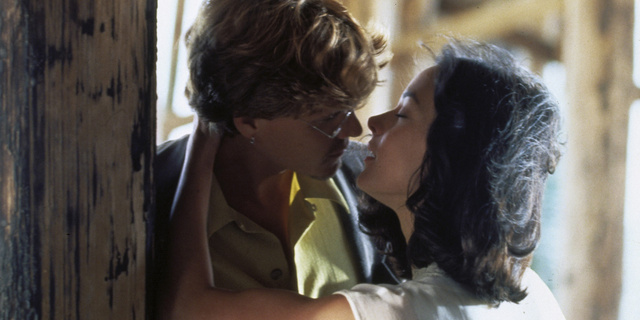
The best of the so-called Generation X movies that I’ve seen so far, this charming first feature by Rory Kelly about a circle of friends in their 30s, and the various complications that ensue when one of the bunch falls helplessly in love with a friend’s wife, owes much of its spark to collective effort, in the script as well as the performances. The film was written by Kelly and five of his friends — Duane Dell’Amico, Roger Hedden (author of Bodies, Rest & Motion), Neal Jimenez (writer and codirector of The Waterdance), Joe Keenan, and Michael Steinberg (director of Bodies, Rest & Motion and codirector of The Waterdance) — with each of the six scripting a separate scene organized around a gathering. A limitation of the collective social portrait is that one never learns what most of the characters do for a living, but the behavioral interplay is often funny and observant. The able cast includes Craig Sheffer (A River Runs Through It), coproducer Eric Stoltz (who starred in both The Waterdance and Bodies, Rest & Motion), and Meg Tilly; the striking and effective score is by David Lawrence. Read more
Written for the Mexican magazine La Tempestad (No. 85), which published it in Spanish translation in late 2012, before Mehrnaz Saeed-Vafa completed her feature-length film about my family house, A House is Not a Home. It was published online in February 2013. — J.R.
I’m very fortunate in having had a prolonged and comprehensive exposure to cinema both as mainstream entertainment and as an art form. But my experience has been somewhat atypical insofar as these two forms of exposure have been in different places and at different stages in my life, with relatively little interaction between them.
Born in Alabama in 1943, I grew up as the son and grandson of small-town film exhibitors, giving me a virtually unlimited access to popular cinema for practically all of the 1950s. This was followed by my discovery of film as an art form during much of the 1960s and 1970s, chiefly in New York, Paris, and London, and even though this entailed in certain cases some rediscoveries and reassessments of films I had seen earlier in Alabama, the discontinuities were usually more striking than the continuities because my family, although very much interested and invested in the arts in general (especially music, literature, and architecture), saw cinema almost exclusively in terms of business and light entertainment — which of course was and is the way most people everywhere in the world tend to see it. Read more
From the Chicago Reader (October 2, 1992). — J.R.

NORTH ON EVERS
*** (A must-see)
Directed and written by James Benning.

A good many of the fine points of the film business elude me. But if I understand some of the current rules correctly, it’s poison to use black-and-white cinematography, letterboxing (for framing wide-screen formats on video), or subtitles –unless they appear in music videos or, in the case of subtitles, in Dances With Wolves or The Last of the Mohicans, when they automatically become commercially desirable.
I cite these ridiculous rules of thumb to show just how fanciful most such commercial “rules” turn out to be. Producers, distributors, and exhibitors often claim that their choices are dictated by the well-researched desires of audiences; of course audiences counter that they can only choose from what’s put in front of them. In other words everyone passes the buck when it comes to explaining why black-and-white features can’t get bankrolled in this country and why foreign-language films have a tough time — only 1 percent of all movies shown here are subtitled. And the industry takes enormous pains to ensure that we don’t see letterboxing on TV or video — except on MTV. Read more