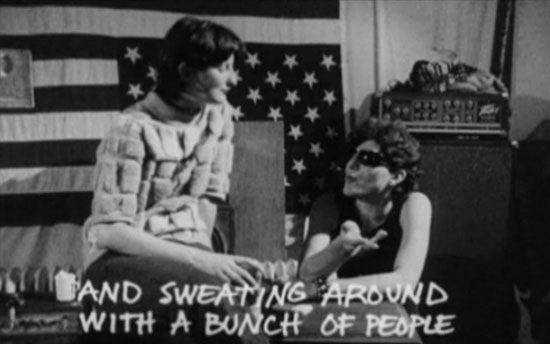
From The Soho News (June 4, 1980). In the interests of full disclosure, I should note that Jackie Raynal was and is one of my dearest friends. — J.R.
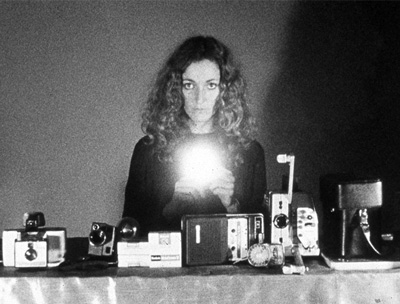
Deux Fois
A Film by Jackie Raynal
Bleecker Street Cinema, June 9
Debt Begins at Twenty
A Film by Stephanie Beroes
Millennium, May 24
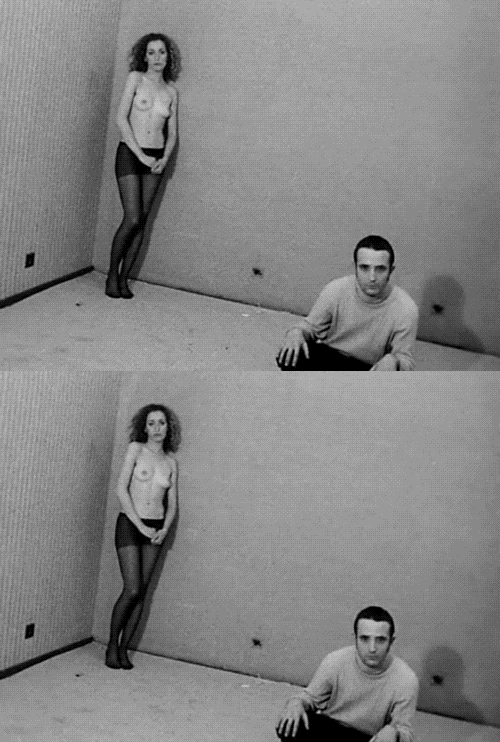
Recalling my four successive visits to the Cannes Film Festival in the early ’70s — when the daily glut of movies and accompanying hardsell was already enough to turn a hardened film freak into a deflated beachball — I still harbor fond memories of the kind of movies that used to spend my days looking for, and the ones that would savor for days more, days on end, once I found them. They were movies that allowed me and Cannes to slow down and linger a bit and regain our strength, and afforded us that pleasure by refusing to hype us into or out of anything that denied either of us the solipsistic joy of total self-absorption.
By taking their own sweet time (all the time in the world) to explore their own bittersweet fantasies, and allowing us to follow them only if we insisted, these movies were like little self-contained oases conjured up and plunked down improbably in the midst of camel stampedes, which is probably why so many of my colleagues hated them — and why most of you, in turn, have heard of so few of them, if any at all. Read more
From the Chicago Reader (February 1, 1998); updated and upgraded in December 2012. — J.R.
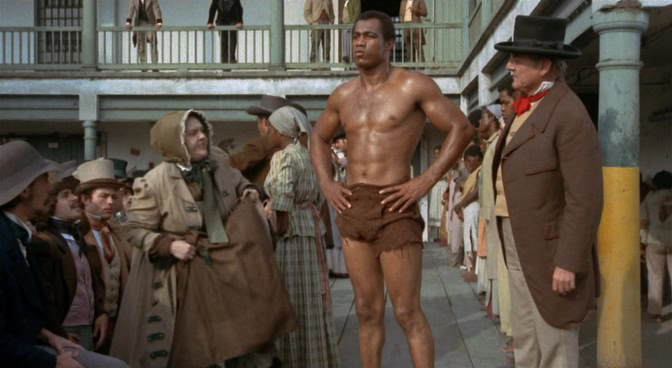
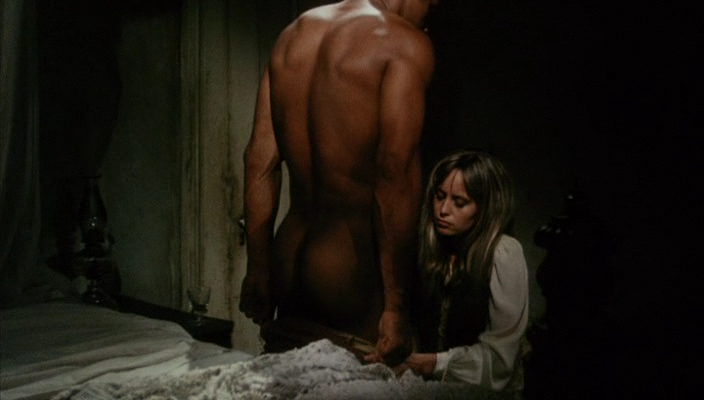
One of the most neglected and underrated Hollywood films of its era, Richard Fleischer’s blistering and undeniably lurid 1975 melodrama about a slave-breeding plantation in the Deep South, set in the 1840s, was widely and unjustly ridiculed as camp in this country when it came out. But apart from this film, Herbert J. Biberman’s 1969 Slaves, and Charles Burnett’s 1996 Nightjohn, it’s doubtful whether many more insightful and penetrating movies about American slavery exist. (2012 note: Quentin Tarantino’s thigh-slapping Django Unchained — a film so historically whimsical that it can show us a slave who’s an expert marksman, can read, and even puts on sunglasses after he becomes a free man — clearly isn’t one of them; at best it’s another Tarantino True Life Adventure for ten-year-old boys — ten-year-old girls need not apply.) Scripted by Norman Wexler from a sensationalist novel by Kyle Onstott; with James Mason, Susan George, Perry King, Richard Ward, Brenda Sykes, and Ken Norton. (For further and much more detailed edification on this subject, check out Robin Wood and Andrew Britton.) (JR)
 Read more
From the Chicago Reader (October 1, 1989). — J.R.
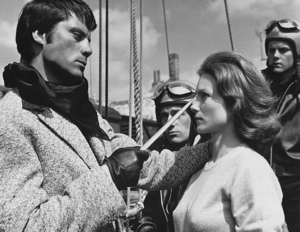
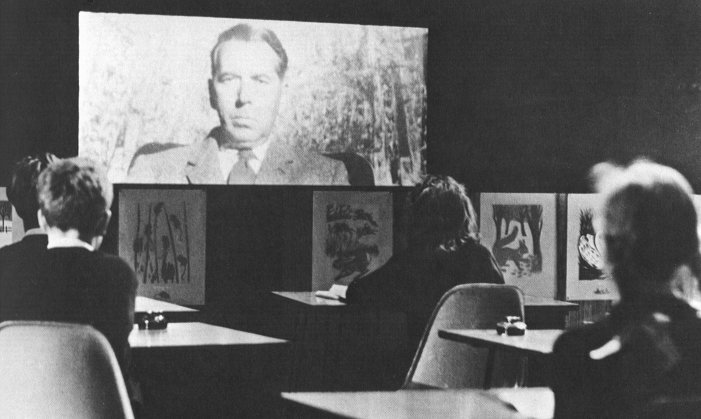
Joseph Losey’s black-and-white SF thriller, made in 1962 during his pre-Pinter British period, begins as a sort of love story — MacDonald Carey is an American businessman who shows interest in Shirley Anne Field and as a consequence gets beaten up by teddy boys led by Oliver Reed — then gradually turns into an antinuclear parable about radioactive children sequestered from humanity in an underground cave. Originally titled The Damned, the film was mangled by distributors but later restored for TV; more than an interesting curiosity, it’s one of Losey’s best English efforts, and Viveca Lindfors contributes a striking part as an eccentric sculptress. 96 min. (JR)
 Read more